Lifestyle · Aging in Place
Aging in Place With Support: Home Care, Housekeeping & Community Services
Staying in your own home as needs change is a plan, not a wish. Written by Gary Lee, Northern California 55+ specialist.
By Gary Lee, Northern California 55+ Specialist | October 2026
Last verified:
Aging in place with support means staying in your own home while layering in help as your needs evolve, from occasional housekeeping to part-time caregiving to more comprehensive home care. A master-planned 55+ community is an independent living community, not assisted living, but residents commonly coordinate private non-medical in-home caregivers as their needs change. The community supplies the housing and the lifestyle; you build the support layer around it, and the earlier you plan it, the smoother it goes.
This guide is general education, not medical or legal advice. For the housing side of the decision, our 55+ community versus assisted living guide and age in place or move to a 55+ community frame the bigger choice.
What Aging in Place With Support Looks Like
Aging in place is rarely an all-or-nothing decision. For most people it is a spectrum, and the support layer grows gradually:
- Occasional housekeeping. A few hours every week or two for deep cleaning, laundry, or the tasks that are getting harder. This is the entry point for most people, and it is easy to arrange and easy to adjust.
- Part-time caregiving. A caregiver for a few hours a day or a few days a week to help with bathing, dressing, meals, errands, and appointments, plus companionship. This is the middle rung, and it is where most 55+ residents land when needs first appear.
- Full home care. Regular, near-daily care in the home for someone who needs consistent help with daily living. This is still non-medical support, and it can be sustained for years when the plan, the budget, and the caregivers are in place.
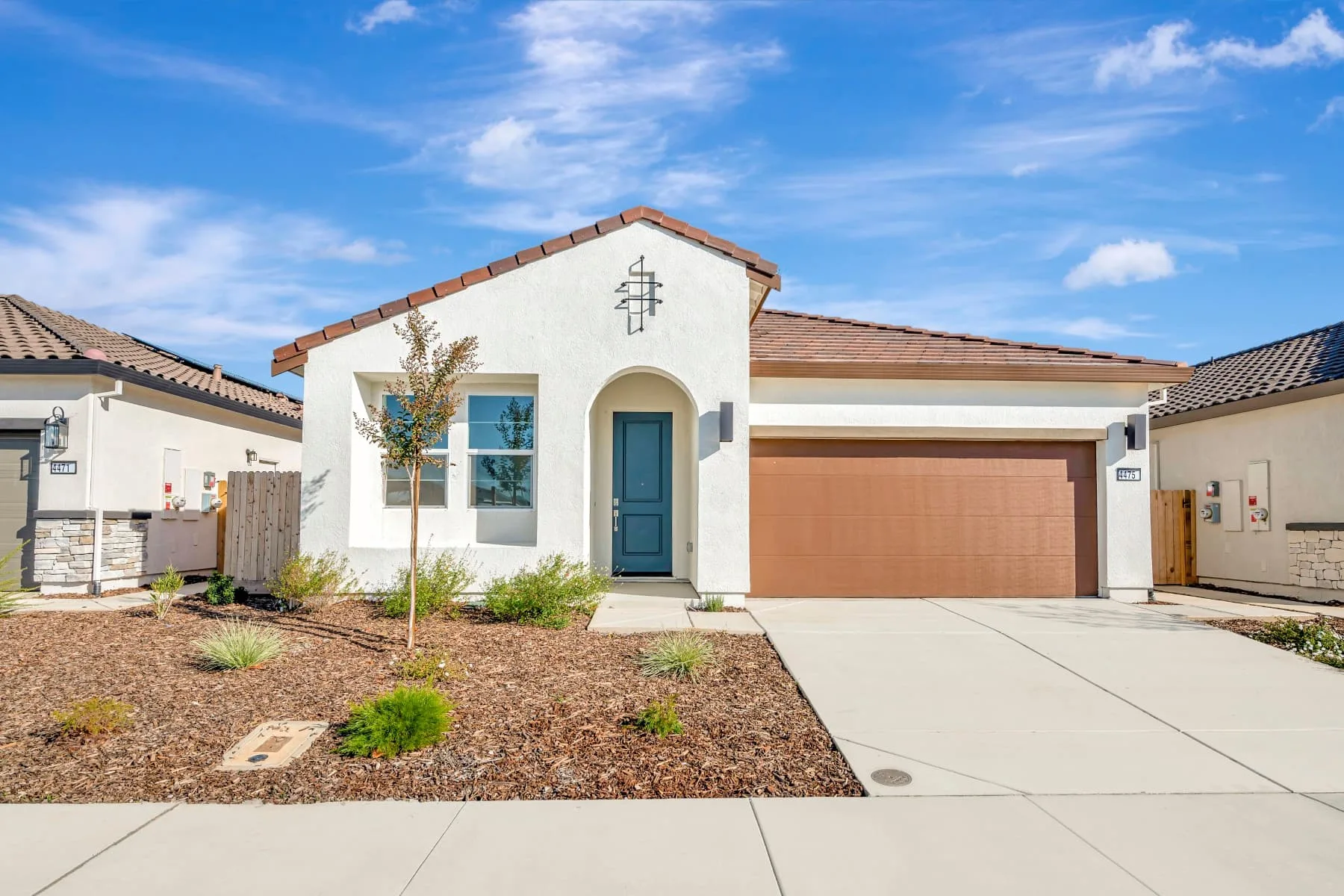
The spectrum is the point: you do not jump from fully independent to leaving your home. You add support one layer at a time, and a 55+ community is well suited to that because the home itself is designed for aging. Our universal design guide covers the floor plan features that make staying put work for the long run.
Home Care Basics: What It Is and What It Is Not
A key distinction to hold onto: master-planned active-adult developments are independent living communities, not assisted living. They do not provide care, and they are not licensed as care facilities. What residents commonly do is coordinate private non-medical in-home caregivers as their needs evolve, hiring an agency or an individual to come into the home for assistance with activities of daily living (ADLs) and companionship.
Non-medical home care covers the daily-life tasks: bathing, dressing, grooming, meal preparation, light housekeeping, medication reminders, errands, and conversation. It is provided by caregivers, not by nurses or therapists. Skilled nursing and therapy are a different category, delivered by licensed clinicians and usually ordered by a physician after an illness, surgery, or hospital stay. Knowing which one you need keeps you from paying for the wrong service or waiting too long to ask for the right one.
- Licensing. In California, home care agencies are licensed by the Department of Social Services. You can look up an agency's license and complaint history on the CDSS website, and agencies that employ caregivers directly are required to run background checks and provide training.
- Background checks and bonding. Ask directly how the agency screens its caregivers, whether they are bonded and insured, and what happens if the regular caregiver is out sick. The answers tell you a lot about the agency's standards.
- Supervision. Ask how the agency supervises its caregivers in the home, how often a supervisor visits, and how you reach the agency after hours. A written care plan and a clear rate sheet protect everyone involved.
If you hire an individual caregiver directly rather than through an agency, you take on the employer responsibilities yourself, including background checks and payroll. For most families, a licensed agency is the simpler, safer starting point.
Housekeeping and Yard Services: What the HOA Handles
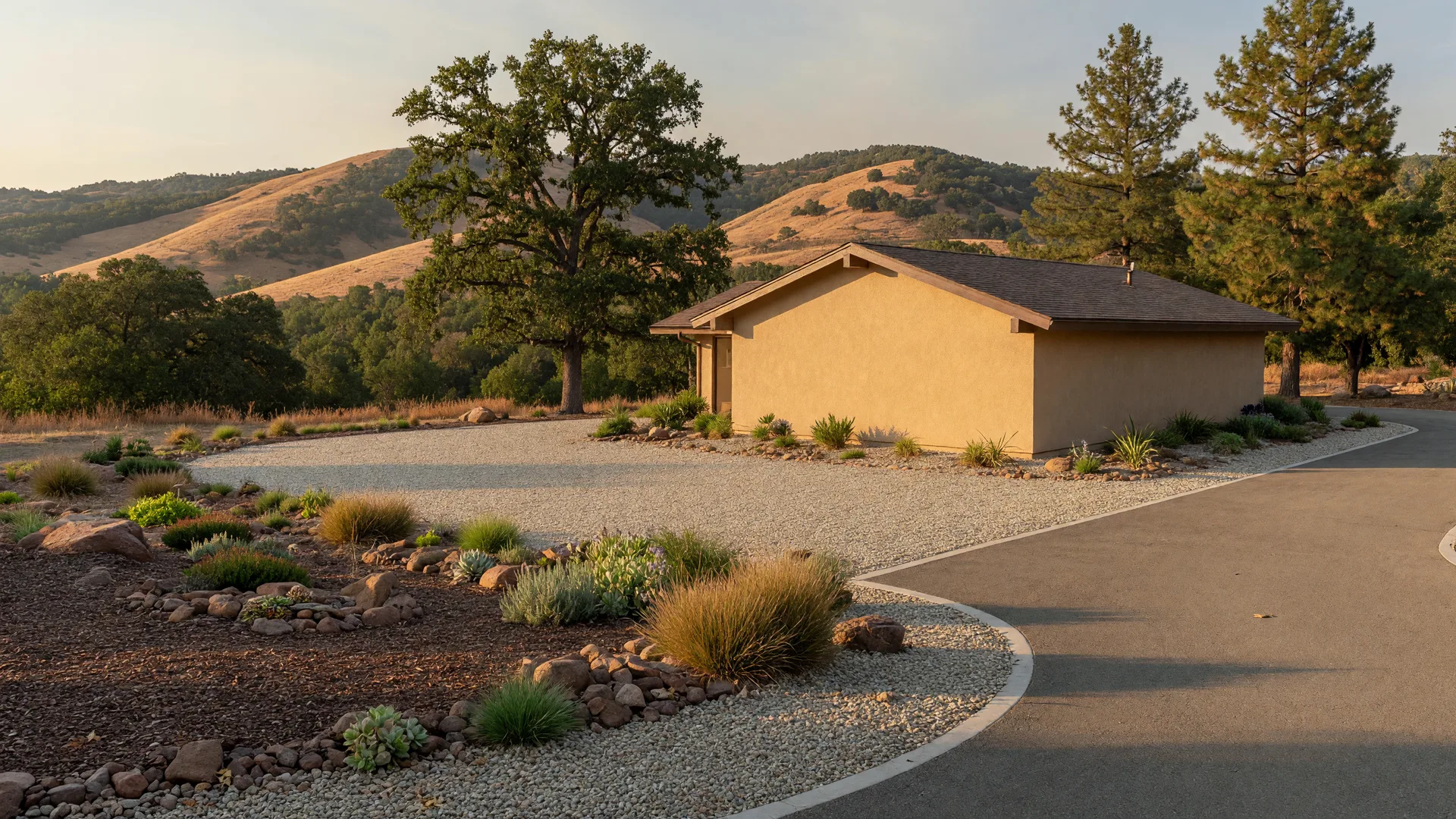
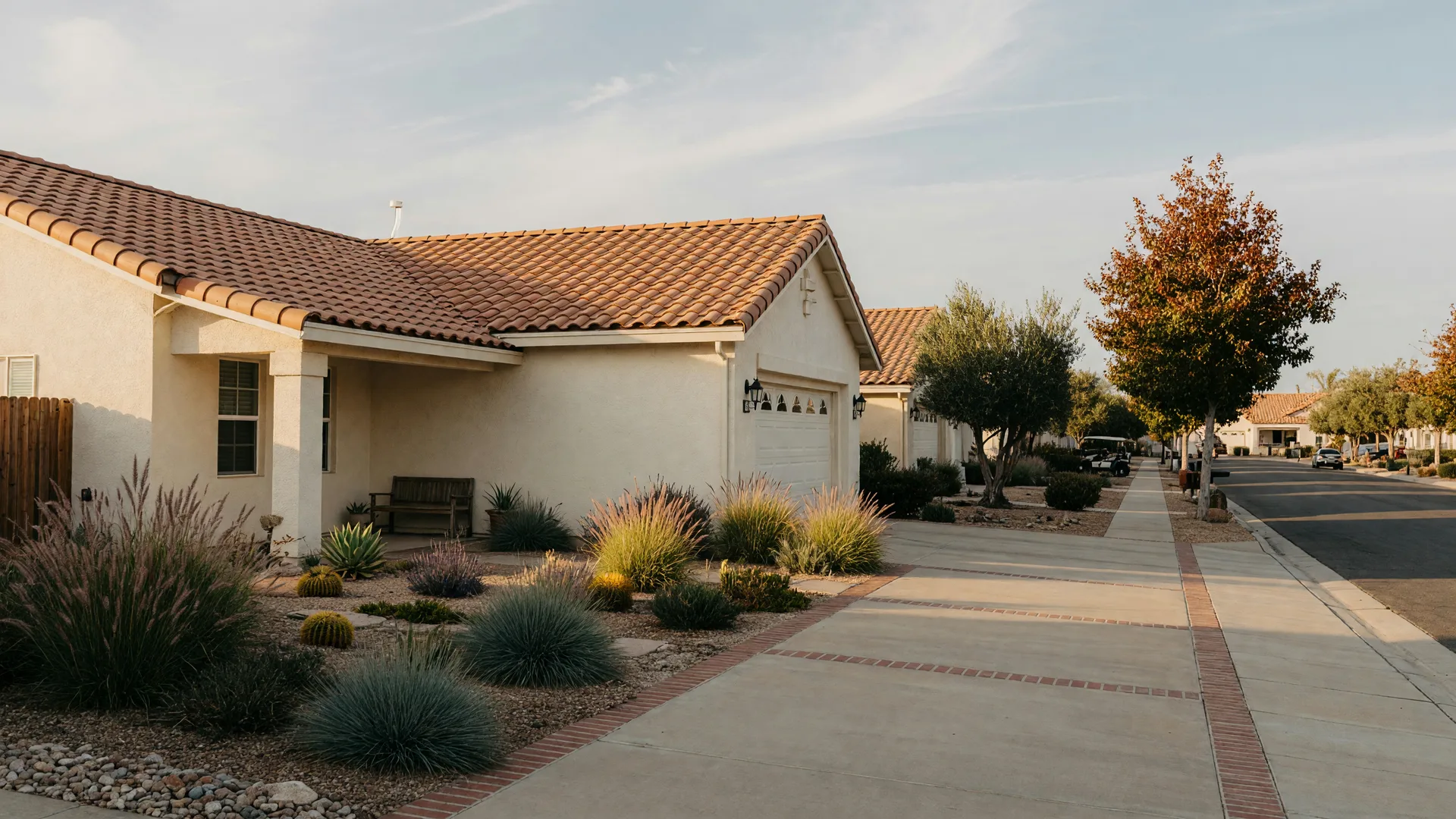
One of the quiet advantages of a 55+ community is that the exterior work largely disappears from your to-do list. In most master-planned communities, the HOA handles the front-yard landscaping, and in many cases the roof, siding, and exterior maintenance too. That removes the ladder work, the mowing, and the gutter cleaning that become harder with age. Our guide to gardening without the backache covers how much of the yard the association controls and what stays yours.
The interior is a different story, and that is where the support layer comes in:
- Interior housekeeping. Weekly or biweekly cleaning services are easy to arrange in the region, and many residents start there long before they need any caregiving.
- Meal services. Community clubhouses often run dining programs and meal delivery options, and prepared-meal services and grocery delivery are widely available. Cooking less while eating well is a support layer many people adopt early.
- Grocery delivery. Delivery services bring the shopping to the door, which matters on the days when a trip to the store feels like too much.
None of these require a caregiving license. They are the everyday services that keep an independent home running, and they are the layers most people add first.
Community and Government Services: The Area 4 Agency on Aging
Beyond private services, the region has a public resource worth knowing before you need it: the Area 4 Agency on Aging (AAA4), which serves Sacramento, Placer, and surrounding counties. AAA4 is the regional agency that connects seniors with local respite, transportation, caregiver resources, and other aging services, and it is the single best starting point for understanding what is available in your county. Its services are general education and referral in nature, and the specifics change over time, so it is worth a call or a visit to its website when you begin planning.
County senior services, local transit, and community-based organizations round out the picture, and each county in the region runs its own aging and adult services programs. The practical move is to collect the names and phone numbers of the agencies that serve your specific county and keep them in the same place as your other important documents.
For the emergency side of the same planning, our emergency preparedness guide covers county alert systems and the wellness-check networks that many 55+ communities run.
Planning the Support Layer: Before You Need It
The single most important step is timing: build the plan before you need it. Families that wait until a crisis are making decisions under pressure, with less time to compare agencies, verify credentials, and price services. Families that plan early make calmer, better choices.
- Talk to family. Have the conversation about who would help, who would pay, and what everyone is comfortable with before a health event forces it. Adult children often want to help and do not know how to start; naming the plan together turns that into a gift instead of a burden.
- Price the services. Get current rate sheets from a licensed home care agency, a housekeeping service, and a meal service. Rates vary, and knowing the real numbers lets you plan honestly.
- Build it into the budget. Aging in place with support has a cost, and the honest way to plan is to include a monthly support line in your retirement budget now, even if you do not spend it for years. Our true cost of 55+ community living guide helps you see the full monthly picture, HOA and all.
Planning the support layer also connects to the legal and financial side of the plan: our guide to estate planning and living trusts covers the documents that let family members help when the time comes, and the HOPA guide for surviving spouses and heirs covers what happens to the home itself. For the day-to-day lifestyle side, our lifestyle pillar and the full blog explore what living in these communities really feels like.
Frequently Asked Questions
What is the difference between home care and home health?
Home care is non-medical help with daily life: assistance with activities of daily living like bathing, dressing, and meal preparation, plus companionship. It is provided by caregivers who are not licensed medical professionals. Home health, sometimes called home health care, is skilled medical care delivered in the home by licensed clinicians such as nurses, physical therapists, and occupational therapists, usually ordered by a physician after an illness, surgery, or hospital stay. They are different services with different licensing, and both can be arranged while living in an independent 55+ community.
Do 55+ communities provide care?
No, and that is an important distinction. Master-planned active-adult developments are independent living communities, not assisted living, so they do not provide caregiving, nursing, or medical services. What they provide is the housing, the amenities, and the community. Residents who need help as they age commonly coordinate private non-medical in-home caregivers on their own, hiring an agency or an individual to come into the home for assistance with daily activities and companionship. The community supports an independent lifestyle; the care layer is arranged separately.
How do I find trustworthy home care?
Start with referrals from people you trust, then verify the basics: in California, home care agencies are licensed by the Department of Social Services, and caregivers employed by licensed agencies are required to have background checks and training. Ask about bonding and insurance, how caregivers are supervised, and what happens if your regular caregiver is unavailable. Interview the agency and the caregiver, ask for references, and check the agency license on the CDSS website. A written care plan and a clear rate sheet protect everyone.
Can I age in place in a 55+ community?
Many people do, for a long time, by layering support onto an independent lifestyle. The community handles the housing and the social life; residents add housekeeping, meal services, transportation, and eventually non-medical home care as needs evolve. Because the home is single-story and the community is designed for aging, the physical environment supports staying put. The honest caveat is that a 55+ community is not a care facility, so if skilled nursing or round-the-clock care is ever needed, the plan moves to a licensed care setting. Planning the support layer early is what makes aging in place work.
Plan the Support Layer With Someone Who Knows the Communities
Gary and Rutsell help buyers match a community to their full life plan, including the support services that make aging in place work. Call or text Gary at 916-595-4279, Rutsell at 916-695-2800, or send a message through our contact page.
Written by The Gary Lee Team
Gary Lee, REALTOR, CA DRE #01448722, and Rutsell Fabillar Lee, REALTOR, CA DRE #02067791, are the husband-and-wife team behind NorCal55Plus.com. The Gary Lee Team operates under eXp Realty of Northern California, Inc. Gary has served Northern California real estate clients since 2004 and specializes in 55+ active-adult communities, resale homes, new construction, relocation, and downsizing. Client services are offered in English, Tagalog, and Bisaya.
Call or text Gary at 916-595-4279 or Rutsell at 916-695-2800, or send a message through our contact page. We would love to help you build the plan that lets you stay in the home you love.

Meet your specialists
Meet Gary & Rutsell, your Northern California 55+ REALTORS
Gary Lee has been a full-time California REALTOR® since 2004. Rutsell Lee is also a California REALTOR® and co-founder of The Gary Lee Team. Together they research Northern California 55+ communities, tour homes and amenities, and help buyers and sellers compare their options throughout Greater Sacramento and Northern California.
The Gary Lee Team · eXp Realty of Northern California, Inc.