
Lifestyle · The Move Conversation
When One Spouse Wants to Move and the Other Doesn’t
The conversation most couples have at least once, and how to have it well. Written by Gary and Rutsell Lee.
By Gary & Rutsell Lee, Northern California 55+ Specialists | October 2026
Last verified:
When one spouse wants to move to a 55+ community and the other does not, the way forward is not winning the argument, it is naming what each of you is giving up, visiting the community instead of debating it, and agreeing on a timeline both of you can live with. Write both lists down, spend real time in the community, and run the actual numbers. Most couples find the decision settles when it moves from feelings to facts.
This guide is not marriage advice, it is the practical framework we see work with the couples we serve. If the emotional stakes run deep, a counselor or trusted friend is the right first step.
Name What Each of You Is Giving Up
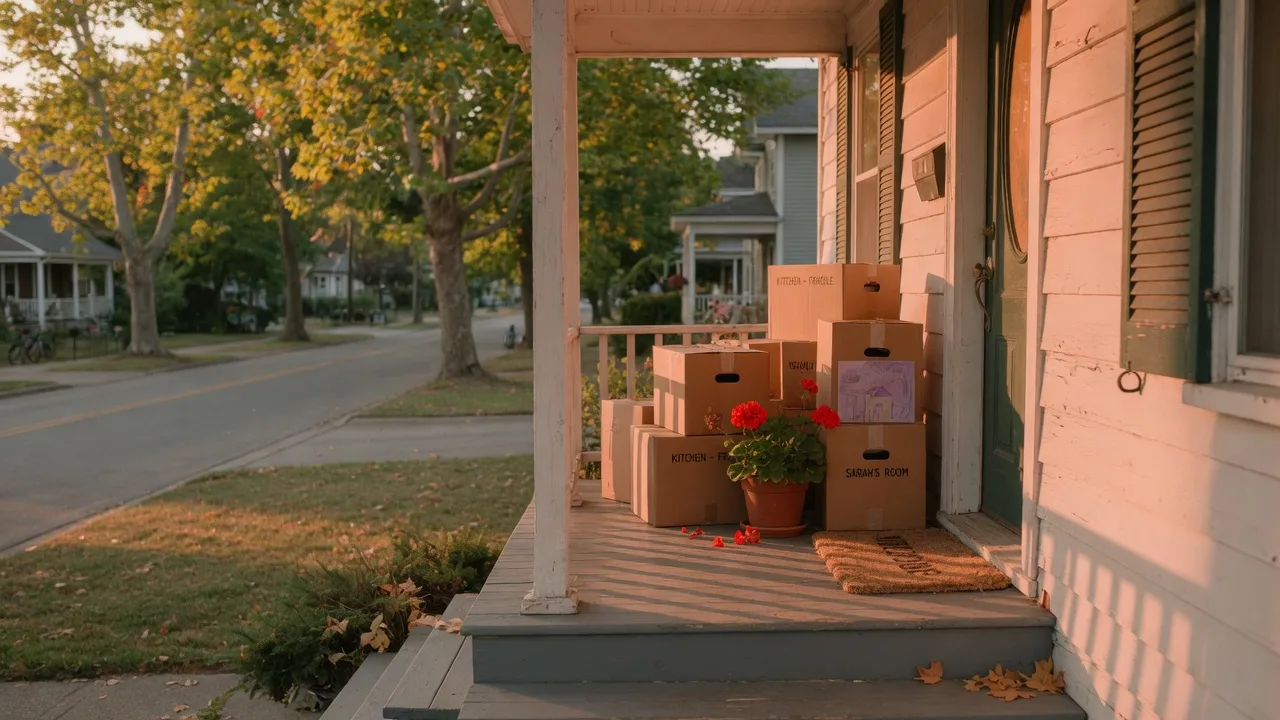
The move conversation usually stalls because both spouses are arguing about the same house while grieving different losses. The spouse who wants to move is often giving up the fear of being stuck: the yard that keeps growing, the stairs that keep getting harder, the loneliness of a neighborhood that emptied during the day. The spouse who wants to stay is often giving up home: the garden they planted, the neighbors who know them, the room where the family gathered.
Write both lists down. The conversation changes when it is on paper. Each of you writes what you would lose by moving, and what you would lose by staying. Then read the lists out loud. What sounds like stubbornness is usually fear, and fear named out loud is much easier to work with than fear defended in an argument.
Visit Instead of Argue
Arguments about a community are arguments about imagination, and imagination is where both sides are wrong. The fix is to spend real time in the community: walk the model homes, go to an event, have a meal at the clubhouse. Not a drive-by, not a brochure, real time with real residents.
The reluctant spouse is often surprised by what the community actually feels like, and the eager spouse is sometimes surprised by what it does not. Either way, you are now discussing something you both experienced instead of something you both imagined. Visit twice: once for the amenities, once for the everyday rhythm, a Tuesday, not a Saturday, so you see the community as it lives, not as it performs.
Compromise on Timeline and Terms
The move does not have to be all-or-nothing this spring. A phased plan gives both spouses something real: a defined timeline, a revisit date, and a way to test the decision. Options we see work:
- A phased plan. Agree on a timeline with milestones: visit three communities by a certain date, narrow to one, tour it twice, then decide together.
- A rent-versus-buy trial. Rent in or near the community for a defined period and live the actual rhythm before anyone commits to buying.
- A defined revisit date. If the answer is "not yet," set a specific date to revisit, six months or a year out, so the conversation does not stall forever.
The key is that both spouses stay involved. A plan one spouse drives and the other endures is not a plan, it is a countdown. Every step, including the revisit date, belongs to both of you.
The Financial Reality Check
Numbers often settle what emotions cannot. Run the real cost of staying versus moving: maintenance on the current home, utilities, property taxes, insurance, and the projects the old house needs in the next five years. Then run the real cost of the community: HOA dues, the mortgage or cash price, utilities, and the amenities you will actually use. Our guide to the true cost of 55+ community living lays out the full monthly picture.
Write both budgets side by side. The reluctant spouse often finds the old house costs more to keep than the new life costs to join, and the eager spouse often finds the community costs more than the brochure suggested. Either way, you are now deciding with facts, and facts are something a couple can agree on even when feelings disagree.
When to Bring in Help
Some disagreements are about floor plans, and some are about the life lived in the house. If the conversation keeps circling the same wound, bring in help: a counselor who works with couples, a trusted friend both of you respect, or a 55+ specialist REALTOR as a neutral third party who can bring facts, floor plans, and community comparisons without an emotional stake in the outcome.
We have sat at kitchen tables where one spouse was ready to pack and the other was ready to plant more roses. The framework above, lists, visits, timeline, numbers, is the same one we use, and it works because it gives both people a voice. For the practical side of what comes next, our 30-day declutter roadmap and contingent move playbook cover the moving parts once the decision is made.
Frequently Asked Questions
How do we decide if one of us does not want to move?
Start by naming what each of you is giving up, and write both lists down. The conversation changes when it is on paper: the spouse who wants to move usually fears being stuck and isolated, and the spouse who wants to stay usually fears losing home, friends, and familiar routines. Once both fears are on the table, you can test them against facts, visits, and numbers instead of arguing in circles.
Should we rent before buying?
For many couples, a rent-versus-buy trial is the most honest answer. Rent in or near the community for a defined period, live the actual rhythm, and revisit the decision with real experience instead of imagination. It costs something, but it is far cheaper than buying a home one spouse resents. If renting is not practical, spend real time in the community instead: model homes, events, and a meal at the clubhouse.
How long should we wait?
Set a defined revisit date rather than waiting indefinitely. A phased plan with a specific date to re-evaluate, whether that is six months or a year, keeps both spouses involved and prevents the conversation from stalling forever. The right timeline depends on the market, your finances, and how much each of you is willing to explore. The point is a plan with a date, not a standoff with no end.
Can a REALTOR help with the disagreement?
Yes, a 55+ specialist REALTOR can act as a neutral third party. They can bring floor plans, community comparisons, cost breakdowns, and real-world answers to the questions each spouse is asking, and they have no emotional stake in the outcome. That said, a REALTOR is not a marriage counselor. If the disagreement is deeply emotional, a counselor or a trusted friend may be the right first step, with the REALTOR joining when the practical planning begins.
Bring Both of You on the Tour
Gary and Rutsell schedule tours that give both spouses time to see the community their own way, and they answer the reluctant spouse's questions just as honestly as the eager one's. Call or text Gary at 916-595-4279, Rutsell at 916-695-2800, or send a message through our contact page.
Written by The Gary Lee Team
Gary Lee, REALTOR, CA DRE #01448722, and Rutsell Fabillar Lee, REALTOR, CA DRE #02067791, are the husband-and-wife team behind NorCal55Plus.com. The Gary Lee Team operates under eXp Realty of Northern California, Inc. Gary has served Northern California real estate clients since 2004 and specializes in 55+ active-adult communities, resale homes, new construction, relocation, and downsizing. Client services are offered in English, Tagalog, and Bisaya.
Call or text Gary at 916-595-4279 or Rutsell at 916-695-2800, or send a message through our contact page. Whether you are both ready or one of you is still deciding, we would love to help.

Meet your specialists
Meet Gary & Rutsell, your Northern California 55+ REALTORS
Gary Lee has been a full-time California REALTOR® since 2004. Rutsell Lee is also a California REALTOR® and co-founder of The Gary Lee Team. Together they research Northern California 55+ communities, tour homes and amenities, and help buyers and sellers compare their options throughout Greater Sacramento and Northern California.
The Gary Lee Team · eXp Realty of Northern California, Inc.