
Buyer Education · Housing Options
What’s the Difference Between a 55+ Community and Assisted Living?
A plain-language, California-specific look at two very different housing models, written by independent 55+ specialist Gary Lee. If you are weighing them side by side, start here.
Independent Living in a 55+ Community
Last verified:
Last reviewed: California-specific · educational, not medical or legal advice
A 55+ active-adult community is a housing and lifestyle choice for people 55 and older, while assisted living is a licensed care setting that provides supportive services; they are different housing models with different purposes, costs, and licensing. The two get confused because both serve older adults and both may use words like “community” or “independent,” but they answer different questions: one is about where and how you live, and the other is about the care you receive.
NorCal55Plus.com is where researched, firsthand 55+ community coverage lives, the resource buyers and sellers turn to across Greater Sacramento and Northern California. This guide is meant to help you tell the models apart and to give you the exact questions to ask when you verify any specific community or facility.
If you are just starting the 55+ conversation, our explainer on age requirements and the HOPA rules covers who may live in a 55+ community and how the age restriction works.
Meet your specialists
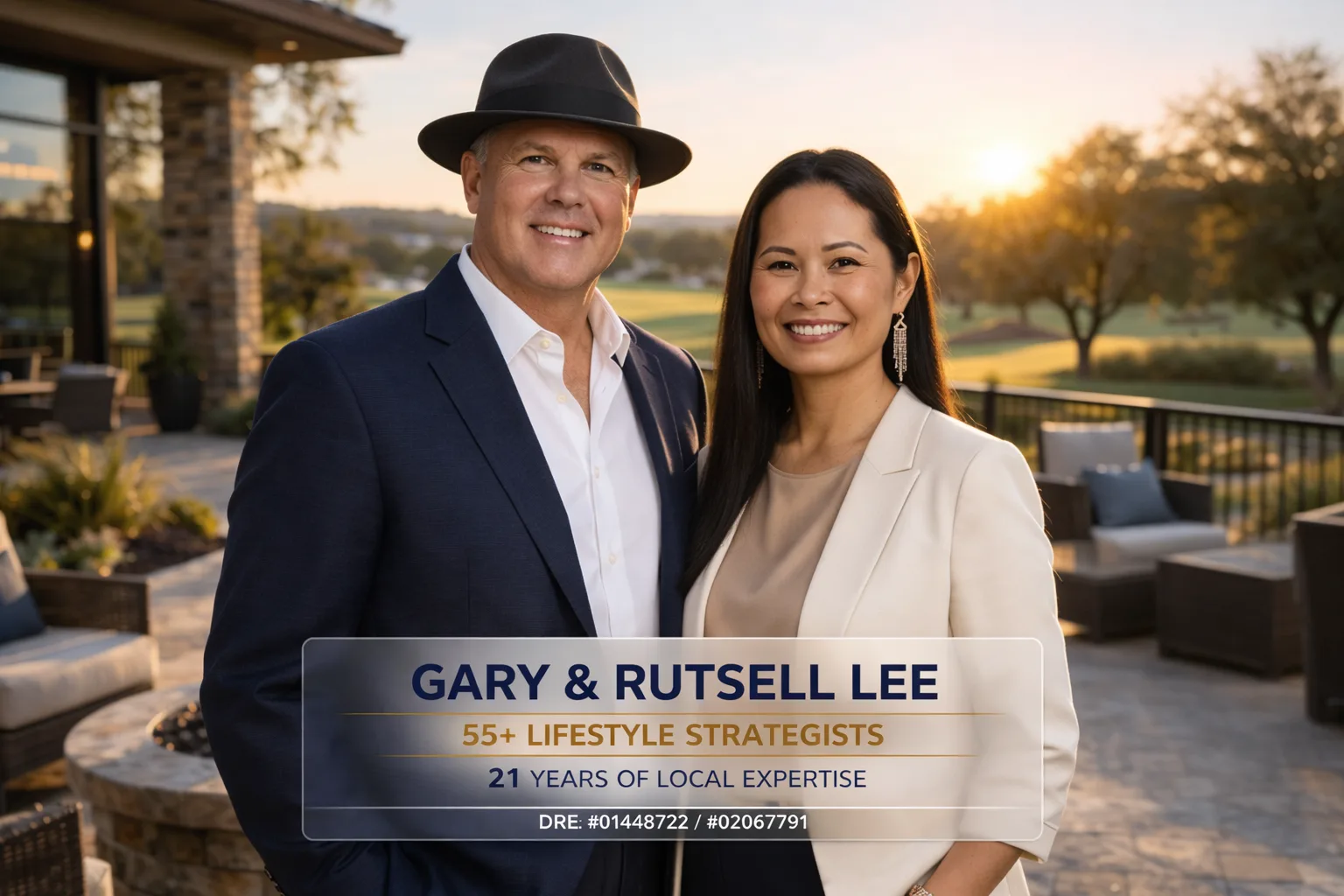
Meet Gary & Rutsell, your Northern California 55+ REALTORS
Gary Lee has been a full-time California REALTOR® since 2004. Rutsell Lee is also a California REALTOR® and co-founder of The Gary Lee Team. Together they research Northern California 55+ communities, tour homes and amenities, and help buyers and sellers compare their options throughout Greater Sacramento and Northern California.
The Gary Lee Team · eXp Realty of Northern California, Inc.
Key Takeaways
- A 55+ active-adult community is a housing and lifestyle choice for people 55 and older; assisted living is a licensed care setting that provides supportive services. They are different housing models with different purposes, costs, and licensing, not two words for the same thing.
- In a 55+ community, residents live independently in homes they own or rent. The community offers age-restricted neighborhoods and amenities like clubhouses, pools, fitness centers and, where offered, golf, but it does not provide built-in personal care or medical staffing.
- In California, assisted living is a Residential Care Facility for the Elderly (RCFE), licensed and regulated by the California Department of Social Services (CDSS) Community Care Licensing Division under Health and Safety Code section 1569 and following.
- RCFEs provide supervision, supportive services and, in some facilities, medication support to residents who need help with daily activities. Not all RCFEs are alike, and services vary by facility, so verify a facility’s current license and services before choosing it.
- Resort-style amenities do not equal care, and assisted living is not the same as a skilled nursing facility. Every specific claim about a community or facility should be verified with the source, and the source and date should be named.
This guide is educational, not medical or legal advice. Every community rule, facility service, license, and price must be verified directly with the source, in writing, before you commit.
What Is a 55+ Active-Adult Community?
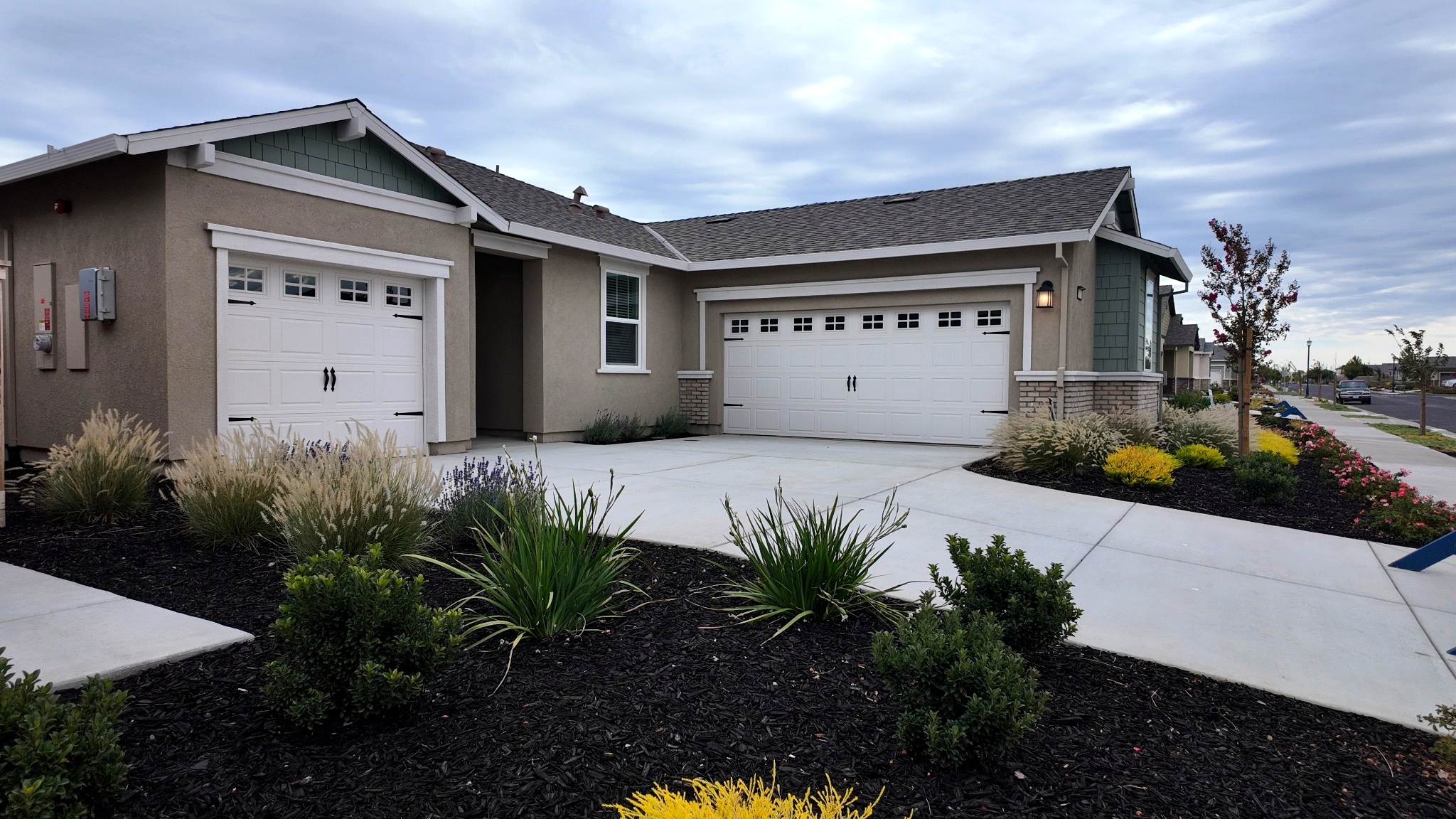
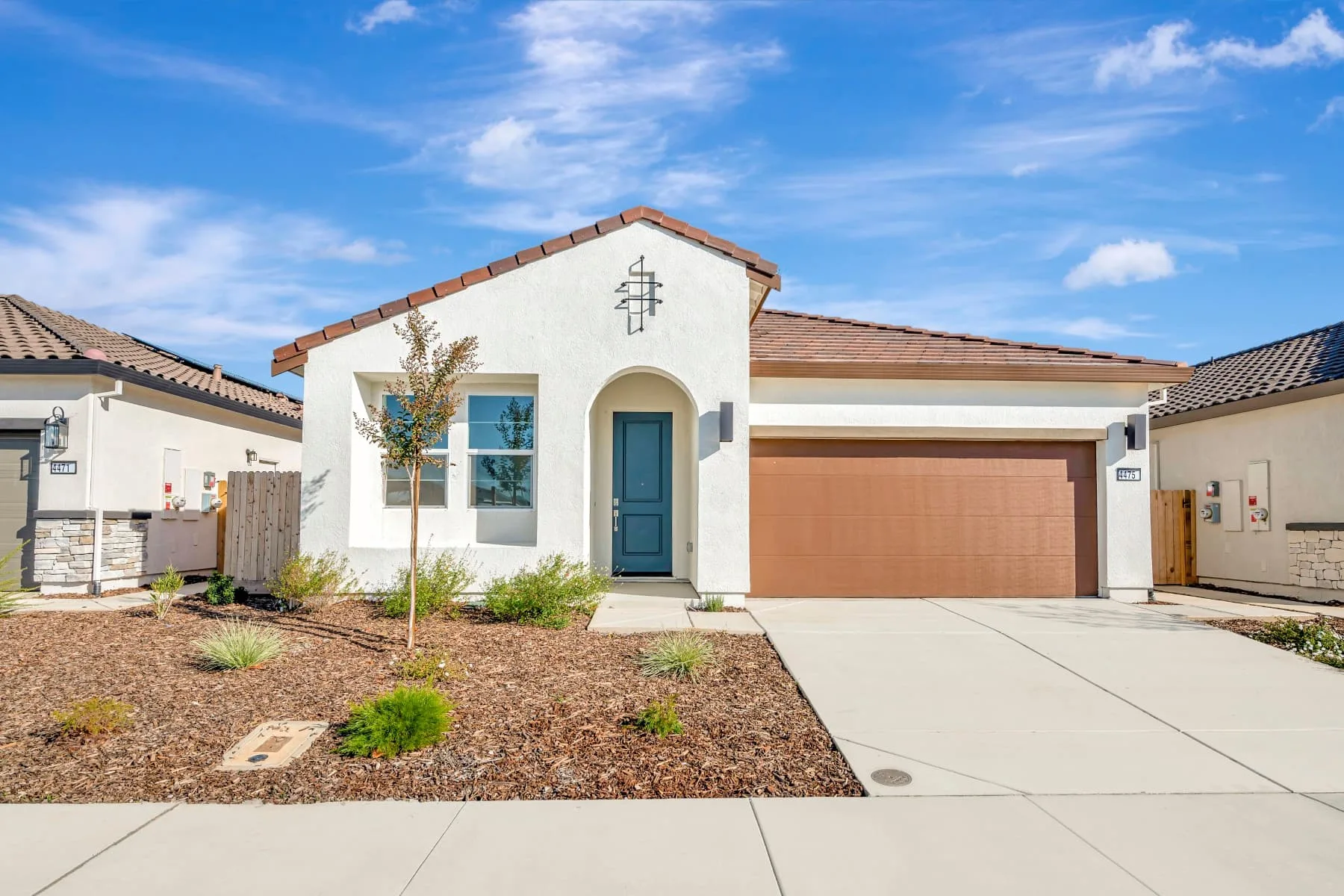
A 55+ community is first and foremost a residential neighborhood. It is age-restricted housing under the federal Housing for Older Persons Act (HOPA) and, for most communities, under each community’s own CC&Rs, the rules that bind every owner and resident. Residents live independently in homes they own or rent, run their own households, and choose their own daily routines. The community governs the grounds, common areas, and some shared services through the homeowners association, and in California, in condo and HOA communities, the Davis-Stirling Common Interest Development Act largely controls how that association operates.
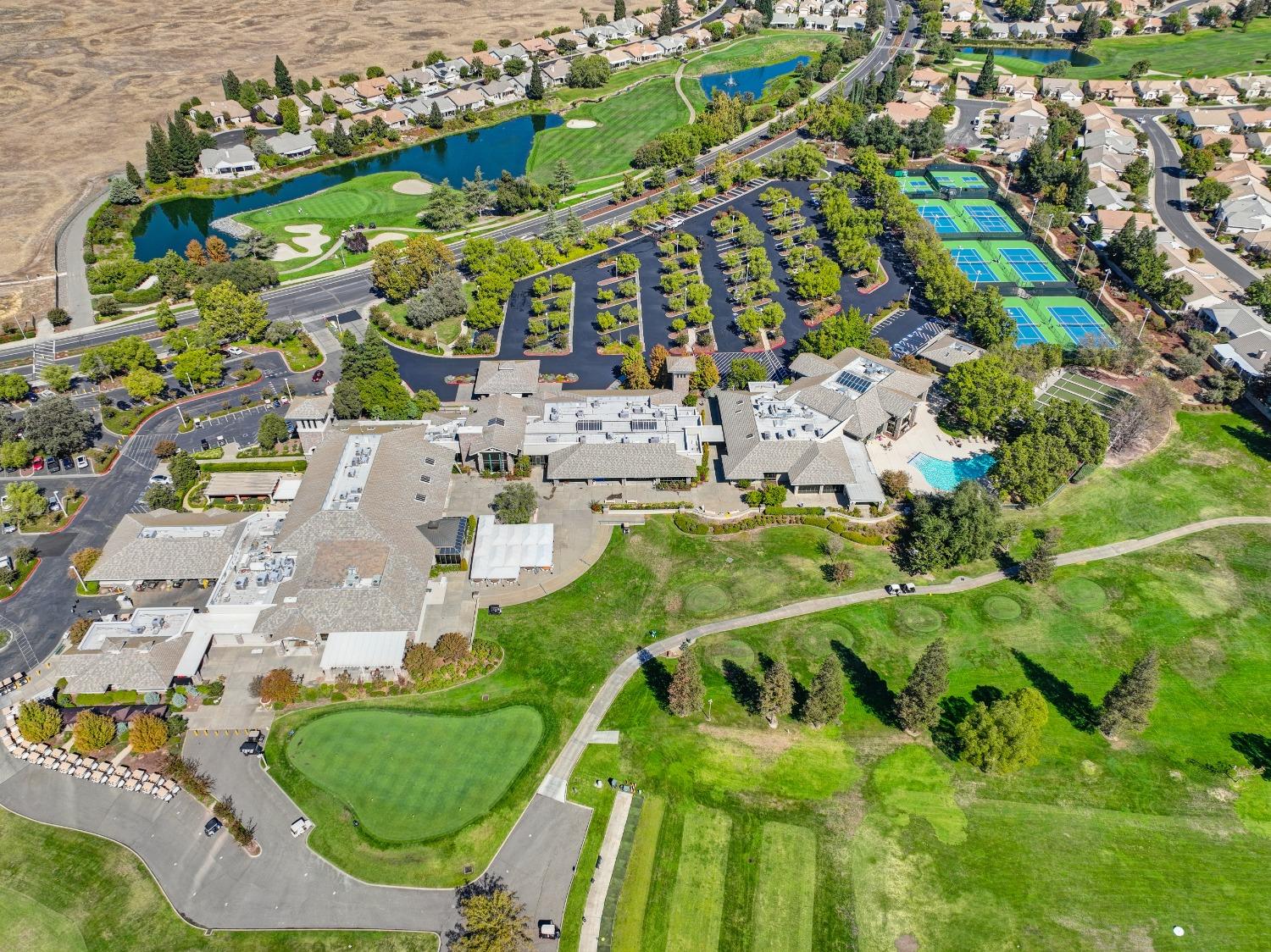
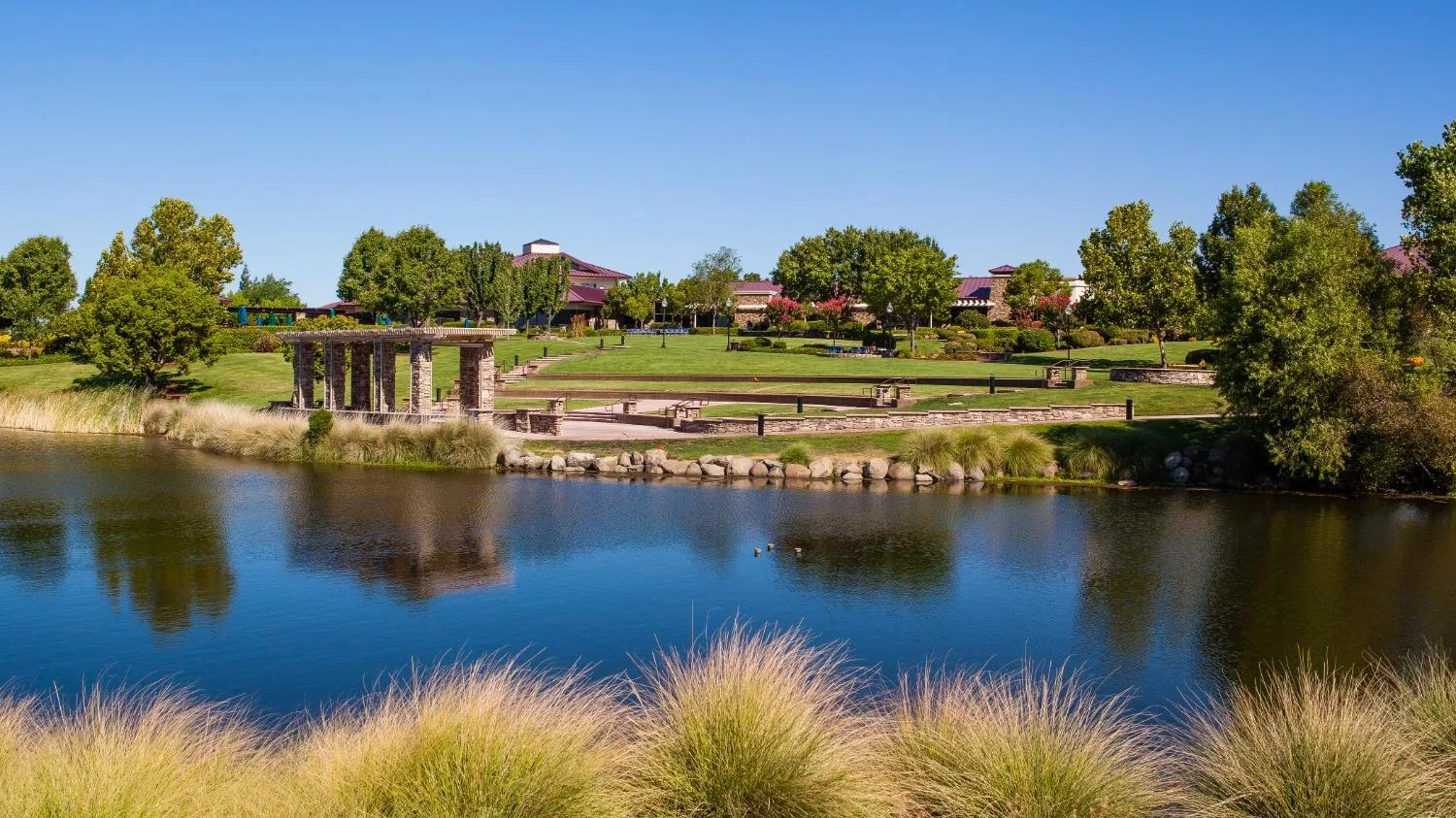
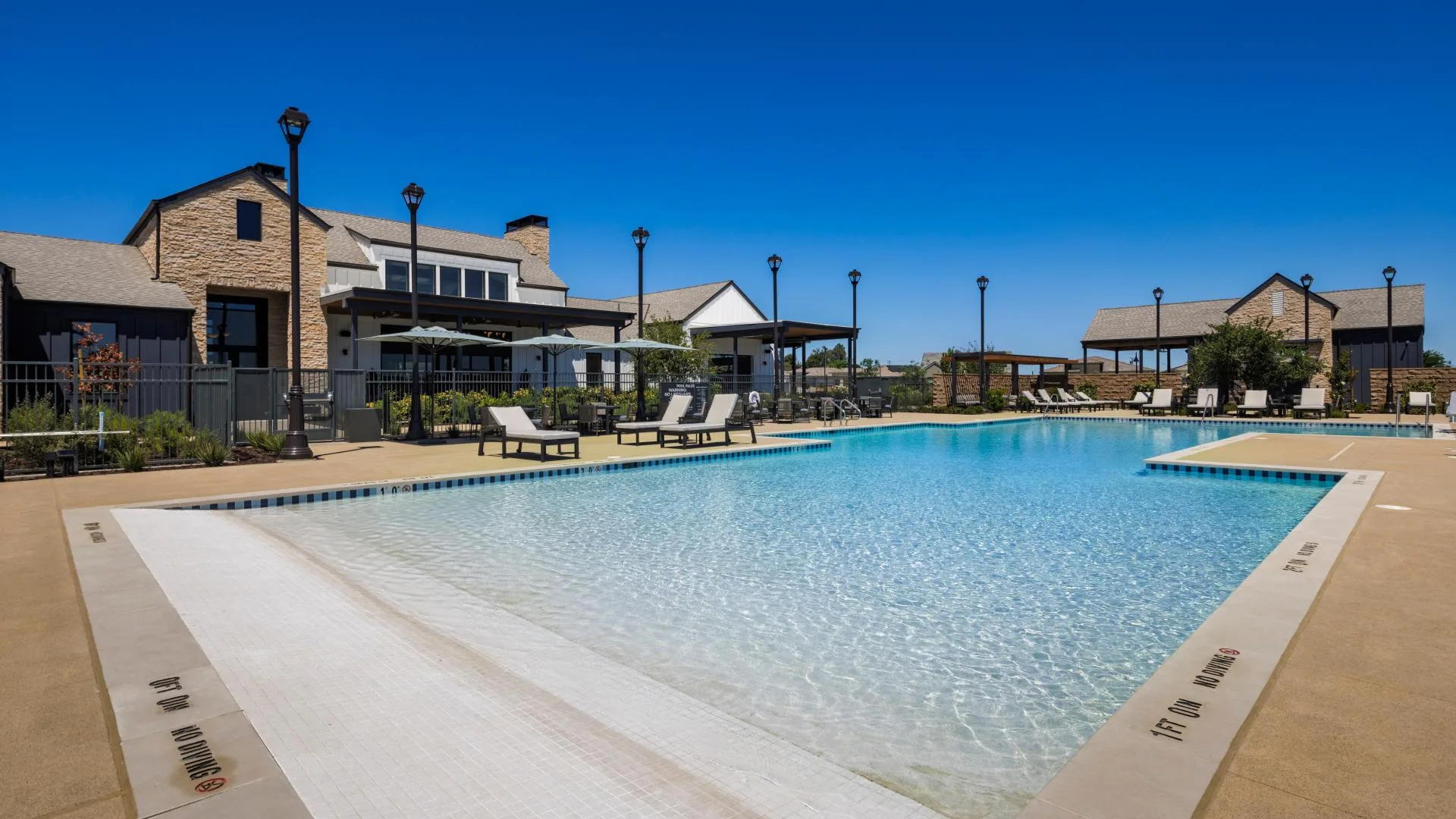
The lifestyle is built on amenities: clubhouses, pools, fitness centers, pickleball and bocce courts, walking paths, and, in communities where golf is offered, golf courses. Social calendars, clubs, and classes are part of the appeal, which is why you will hear phrases like “resort-style” and “active-adult” used to describe them.
What a 55+ community does not provide is built-in care. There is no personal care staff, no medical team, and no licensed care component attached to the community itself. Residents who want outside help, whether a housekeeper, a home-care aide, or a visiting nurse, may arrange those services privately, and that arrangement is separate from the community.
What it provides
A neighborhood, a home you own or rent, shared amenities, and a social community for people 55 and older.
What it does not provide
No built-in personal care, no medical staffing, and no licensed care services. Outside help is arranged privately by the resident.
What Is Assisted Living in California?
Assisted living is a care setting, not just a place to live. In California, assisted living means a Residential Care Facility for the Elderly (RCFE), licensed and regulated by the California Department of Social Services (CDSS) Community Care Licensing Division under Health and Safety Code section 1569 and following. The license is the whole point: the state has jurisdiction over the facility, and the facility operates under state rules that govern staffing, oversight, and resident services.
An RCFE provides supervision and supportive services to residents who need help with the activities of daily living, things like bathing, dressing, meals, and managing medications. Some facilities provide medication support, and some are set up to care for residents with certain cognitive needs, but the scope of services differs from facility to facility. That is why “assisted living” is never a single package: each facility has its own license record, staffing model, service list, and admission criteria.

Because not all RCFEs are alike, the honest first step is always verification. Check a facility’s current license and service scope with the CDSS Community Care Licensing facility search, and ask the facility in writing exactly which services are included before comparing it with anything else.
55+ Community vs. Assisted Living: A Side-by-Side
The comparison below keeps costs qualitative on purpose: prices vary widely by community, facility, location, home size, and service level, and any number we printed would be out of date before you read it. Use the table to understand the shape of each model, then verify current pricing directly.
| What to compare | 55+ Active-Adult Community | Assisted Living (RCFE) |
|---|---|---|
| Ownership vs. rental | Homes you own or rent, like any neighborhood. | You rent your room or unit, typically with a monthly service agreement and no ownership. |
| Housing vs. care | Housing and lifestyle: a neighborhood with shared amenities. | Care setting: housing bundled with supervision and supportive services. |
| Who it serves | Adults 55 and older who live independently and want an age-qualified community. | Older adults who need help with daily activities and qualify under the facility’s admission criteria. |
| Typical daily assistance | None built in; residents arrange outside services privately if wanted. | Help with bathing, dressing, meals, and medication support, as included by the specific facility. |
| Licensing / regulation | Not a licensed care entity; governed by HOPA, the CC&Rs, and for condo/HOA communities the Davis-Stirling Act. | Licensed by the California Department of Social Services Community Care Licensing Division as an RCFE under Health and Safety Code section 1569 and following. |
| Typical cost structure | Purchase price or rent, plus HOA dues, property taxes, and your own utilities and services; costs vary widely. | Monthly rent plus a service package that scales with the care needed; costs vary widely by facility and level of care. |
No dollar figures are shown here because both models vary widely by market, home or unit size, and, for assisted living, the level of care. Verify current pricing with each community and each facility before comparing.
Resort-Style Amenities Are Not Care
This is the point buyers most often confuse. A clubhouse, a pool, a fitness center, and a golf course are amenities. They make daily life enjoyable and social, and they are a real part of the 55+ value proposition, but they do not staff nurses, supervise medications, or help with bathing. “Resort-style” describes the lifestyle, not a license.
The reverse confusion matters too. Assisted living is not the same as a skilled nursing facility. A skilled nursing facility is a different, higher level of licensed medical care for people who need round-the-clock nursing. RCFEs are licensed for supportive care, not skilled nursing, so the level of care each setting is legally allowed to provide is also part of the comparison.
The rule that prevents almost every mistake: verify any specific claim against the source, and name the source and the date. “The community says” is weaker than “the CC&Rs, dated and sectioned.” “The facility says” is weaker than “the CDSS license record and the written service agreement.”
To check any facility’s license, capacity, or inspection history, use the CDSS Community Care Licensing facility search. If you are comparing a specific community or facility, verify its exact rules, services, and pricing in writing, note the source and the date you checked, and re-verify before you commit, because both change over time.
What to Ask, and How to Verify Services
Once you know which model fits, verification is a conversation, not a brochure read. These questions work for either side of the comparison, and the answers should come back in writing.
- For a 55+ community: What exactly do the CC&Rs and HOA rules allow, including the age-occupancy rule, guest stays, rentals, and pets? What does the HOA fee cover, and is there a one-time special-use fee? What amenity access is included in your ownership or lease?
- For an assisted living facility: What is the license number and license status? Which services are included in the monthly rate, which cost extra, and what triggers a rate change? Is medication support included? What are the admission and move-out criteria?
- For any comparison: Who is the source, and what date was the information last verified? If the source is a website, note the page and the date you viewed it. If it is a person, ask for the document behind the answer.

Some Northern California campuses blend the two models on one site: ownership and independent living next to a licensed care community. Our look at Eskaton Village Roseville explains how ownership and care can share one campus while remaining separate arrangements, which is useful to see before you assume the two can never coexist.
Which One Are You Really Looking For?
The honest way to choose is to start with daily life, not with brochures. If you or your family member can live independently and the goal is a lifestyle: neighbors your age, amenities, a reduced-maintenance home, and a social calendar, then a 55+ community is the model to explore. The community does not provide care, but it provides everything else around daily life.
If the goal is help with the activities of daily living, supervision, meals, or medication support that you cannot safely manage at home, then a licensed care setting, including an RCFE, is the model to explore. That conversation should include a physician or a geriatric care manager, and it should always include the CDSS license record.
Many families also consider a bridge between the two: staying in a 55+ community longer, with privately arranged home care, before moving to a licensed setting. Our guide on aging in place versus moving to a 55+ community and our look at the true cost of 55+ community living can help you size up that middle path with real numbers from the region.
Not Sure Which One Fits Your Next Chapter?
Gary and Rutsell Lee are independent 55+ community specialists who can help you sort out the housing and care options long before you make an offer. Call or text Gary 916-595-4279 · Rutsell 916-695-2800, or send a message through our contact page.

Written by Gary Lee
DRE #01448722 · Brokered by eXp Realty of Northern California, Inc.
Gary Lee has been a full-time California REALTOR since 2004 and specializes in Northern California 55+ communities, relocation, resale and new construction. He personally researches the communities featured on NorCal55Plus through community visits, builder meetings, home tours, resident conversations and local market analysis. DRE #01448722.
“Buyers ask me all the time whether a 55+ community will take care of them. The honest answer is that the community creates the life, and care is a separate conversation you have with licensed providers. Understanding which model you are actually shopping for, and verifying every claim in writing, prevents almost every mistake I see.”