
Family Guide · Financing a Parent’s Move
Family Opportunity Mortgage: Helping Parents 55+ Buy a Northern California Home
You are probably here with a question that sounds like this: can I help buy my mom’s or dad’s next home? Families do this all the time, and there are several financing paths. None of them is a single standard loan you can quote from a brochure, so this guide walks through the concepts, the options, and the questions to take to a qualified lender.
Last reviewed October 2026 · Not legal, tax, or financial advice
Last verified:
The Family Opportunity Mortgage is one of those terms families hear from a neighbor or read in a search result and then cannot find anywhere else. That is because it was never one fixed product at one lender. It is a concept with a real history, and knowing how it actually operates is the difference between a smooth purchase and getting stuck at the application stage.
The short answer
There is no single Family Opportunity Mortgage at every lender, but the ability is real.
A working family member can often buy or refinance a home that a parent 55+ or a disabled family member will live in, priced as an owner-occupied primary residence, without the parent needing to qualify on their own. Today that ability lives inside current occupancy, co-borrower, and gift-fund guidelines at Fannie Mae, Freddie Mac, FHA, and portfolio lenders, and the terms differ by lender and program.
Nothing in this article is a rate, fee, credit-score minimum, loan limit, or approval promise. Every program changes over time and differs by lender; confirm current terms with a qualified lender before relying on anything.
In this guide
This is a buyer-focused explainer written for the whole family: how the concept works, the full menu of financing options, what lenders will want, and how it fits a 55+ move in the Greater Sacramento area. Jump to any section:
What is a Family Opportunity Mortgage, exactly?
The term grew around a set of mortgage guidelines, first popularized through Fannie Mae occupancy rules, that let a borrower finance a home as an owner-occupied primary residence even though someone else, usually an elderly parent or a disabled family member, would be the one living there. The person living in the home did not need to be on the loan or qualify on their own, which mattered a lot for parents with strong retirement income but limited work history or credit records.
The reason the name keeps confusing people is that Fannie Mae no longer markets it under that label, and it was never a product at every lender in the first place. The useful part of the concept is still very much alive: current occupancy guidelines, non-occupant co-borrower rules, and family gift guidance from Fannie Mae, Freddie Mac, FHA, and many portfolio lenders still allow a family member to buy or refinance a home for a parent 55+ or a disabled family member, often at owner-occupied pricing because the parent’s primary residence is the home being financed.
Why the wording matters
When a lender says “we do not offer the Family Opportunity Mortgage,” that does not necessarily mean the arrangement is unavailable. Ask what their current guidelines allow for buying a home for a parent or for a non-occupant family member on the loan. When a lender says they do offer it, ask which guidelines it runs under. The answer tells you whether you are looking at a mainstream rule you can rely on or an exception a single underwriter is willing to consider.
Because occupancy rules factor into pricing, loan limits, and eligibility and have changed over the years, the only honest sentence to carry into a conversation is this: terms vary by lender and program, and they must be confirmed with a qualified lender before you rely on them. No website, including this one, can quote you the rule that will apply to your file on the day you apply.
Why families go this route: the downsize and the multigenerational move
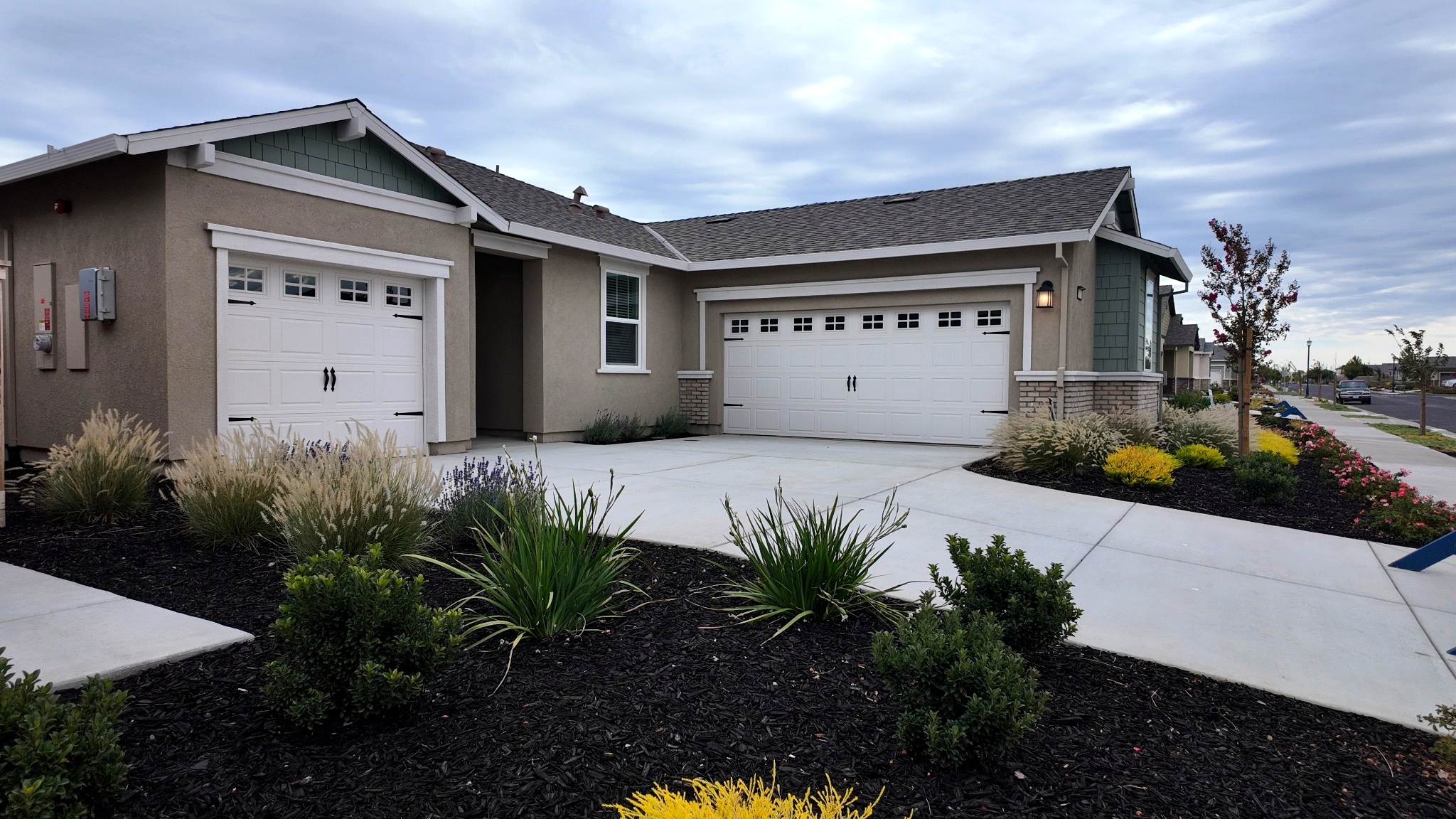
In the Greater Sacramento 55+ market, the situations are remarkably consistent. A parent in Roseville, Folsom, or Sacramento is ready to leave the family home, stairs, yard, and all, and wants a single-story home in a 55+ community, but the numbers do not line up cleanly on their own. Or a parent is moving north from the Bay Area to be closer to grown children and grandchildren in Lincoln or El Dorado Hills. Or a family is talking about a multigenerational setup, a parent in an attached secondary unit or a nearby single-story home, with the grown children handling the purchase side.
The financing concept does not require a 55+ community at all. It applies to any home a parent 55+ or a disabled family member occupies as a primary residence. What makes the 55+ layer interesting is everything else that comes with it: HOA dues and special use fees, golf and club memberships billed separately, Mello-Roos on newer construction, and the single-story floor plans families want. The financing is the front door; the community costs are the rooms behind it, and both belong in the same budget conversation.

The financing options beyond the name
Families rarely need to wait for one specific product. The practical question is which of the standard paths fits this family, this parent, and this home, and lenders read the same building blocks in different ways.
Conventional purchase (Fannie Mae and Freddie Mac)
A conventional mortgage is the most common route, and it is where the old Family Opportunity arrangement lives today. Current Fannie Mae and Freddie Mac guidelines cover occupancy types, non-occupant borrowers, and family members on the loan, and the rules have shifted over the years, so what a loan officer knew five years ago may not be what their underwriter applies today. Ask specifically how their current guideline treats a home bought for a parent who will live in it.
FHA and other government-insured programs
FHA loans have their own occupancy and family rules, including allowances for families buying together and for relatives living in the home, with different documentation standards than conventional loans. FHA terms, mortgage insurance, and eligibility parameters change over time, and not every family scenario works under them, so the comparison has to be made against your actual file.
Co-borrower arrangements
Two siblings, a parent and an adult child, or a spouse pair can appear on the loan together. When one person occupies the home and the other does not, or when both are on the mortgage but only one is on title, the lender applies occupancy and liability rules that dictate who inherits the payment obligation and who owns what. These structures are easy to describe and easy to get wrong, so a good loan officer will walk through the trade-offs with you before you commit.
Gift funds and down payment planning
Gift money from parents, siblings, or other close relatives can cover part or all of a down payment under many programs, with rules about who may give, how much, and how the transfer is documented. Down payment planning also means deciding how much the buyer keeps in reserve after closing, because lenders typically want to see that the borrower can cover more than the first month on their own.
Portfolio and local lenders
Banks, credit unions, and non-bank lenders that keep loans on their own books can sometimes approve family-occupancy arrangements that national guideline products will not touch, because they set their own rules. That flexibility cuts both ways: their pricing and documentation requirements are their own, and they can change without notice. Ask two or three lenders, including a local one, and compare apples to apples.
Accuracy note: this article deliberately gives no rates, fees, credit-score minimums, loan limits, or dollar figures because every one of those changes over time and differs by lender and program. Any number you see quoted anywhere should be treated as a starting point and confirmed in writing with a qualified lender before you rely on it.
What lenders actually want to see
Underwriting a family-occupancy loan is mostly regular underwriting plus one extra set of questions about who lives in the home and why. In general terms, here is the stack lenders work through:
- Income and employment for everyone on the loan. Pay stubs, tax returns, and for parents, the pension, Social Security, and retirement account statements the lender will count as qualifying income.
- Assets and reserves. Bank and investment statements showing down payment funds, where they came from, and what remains after closing.
- Credit history for the borrower(s). The lender scores whoever is on the loan, which is exactly why a parent with thin credit can still be helped by a qualifying adult child.
- Occupancy and relationship facts. Who will live in the home, whether the parent is on title, whether the buyer lives elsewhere, and any documentation the program requires for a family-occupancy or non-occupant arrangement.
- Gift documentation. Gift letters and transfer records for any family funds, prepared the way the specific program wants them, before money moves.
- The property file. Appraisal, title, and the community’s HOA and governing documents where a 55+ community is involved, so the lender can see the HOA dues and any special assessments in the qualifying math.
Approval is never a checklist you can tick off from an article. Loan officers, underwriters, and the automated systems they use each apply the program rules to the actual file, and the same family can get two different answers from two good lenders in the same week. That is normal. It is why the right move, especially for a complex family-occupancy purchase, is to work with a lender who has done this specific kind of loan before.
How this fits a 55+ move across Greater Sacramento
The Greater Sacramento area is where this conversation happens every week, because it is one of the most active 55+ markets in the state. Placer County alone carries the two Sun City communities, one in Roseville and one in Lincoln, along with Esplanade at Turkey Creek and Trilogy at Bickford Ranch. Sacramento County adds Four Seasons at The Ranch and Westshore, Regency at Folsom Ranch, and the Elk Grove trio. El Dorado Hills brings the two Heritage communities and Versante. Each of them is covered in its own guide on this site, with the true-cost article and Mello-Roos guide covering the monthly economics and tax districts that sit on top of the purchase price.
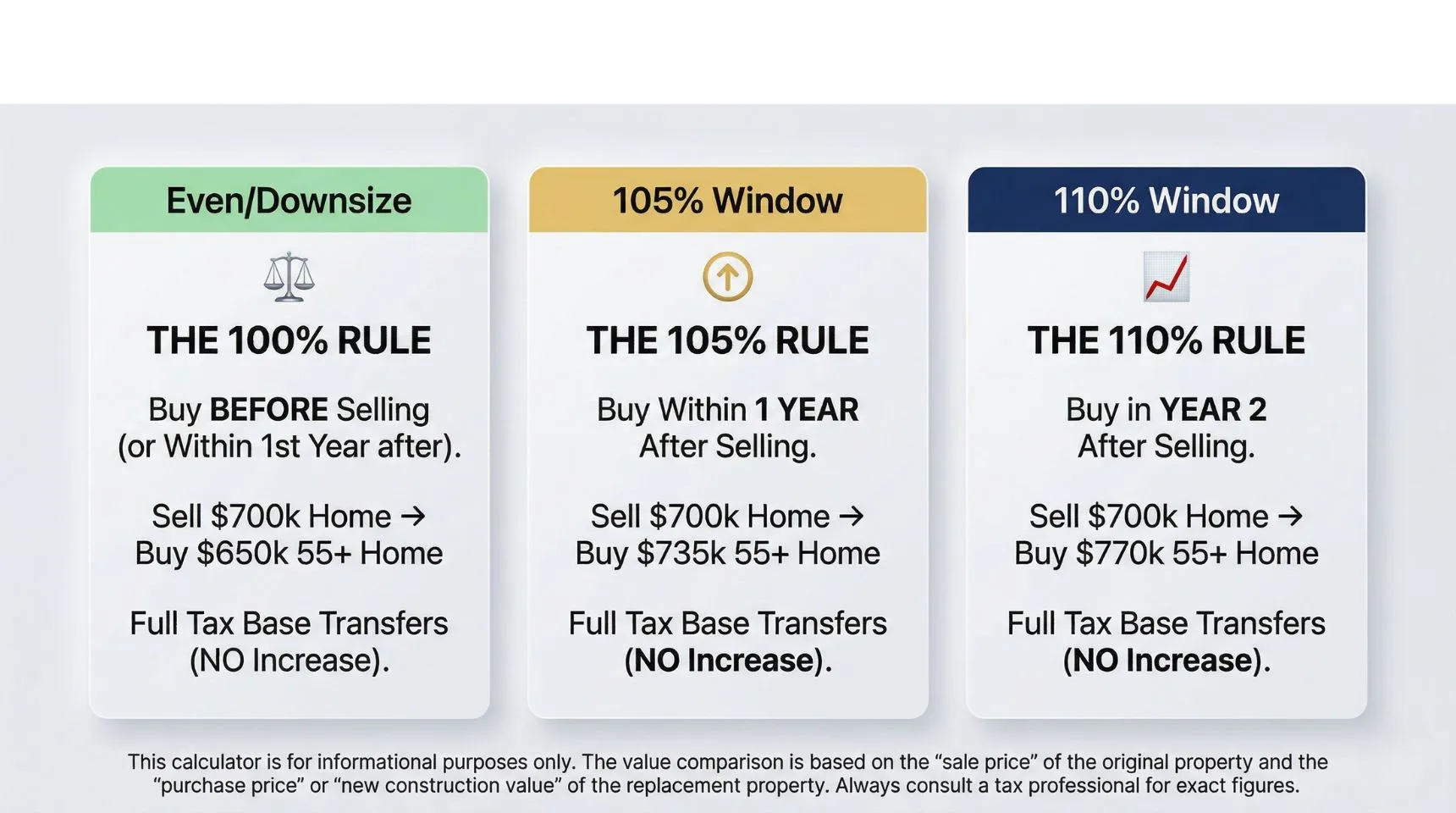
Two local layers matter once the financing is arranged. The first is the property tax side: if the parent is selling a California home that has a low assessed value from years of Proposition 13, a Proposition 19 base year value transfer may let them carry a portion of that taxable base to a replacement home in California, with eligibility rules, timelines, and county filing (form BOE-19-B) that must be checked by a tax professional or the county assessor. The county filing guide and the Section 121 and Prop 19 synergy guide walk through both the federal gain exclusion and the California transfer in plain language.
The second layer is the community’s own rules: 55+ age requirements, HOA dues, whether golf is included or separate, and how the community treats rentals and ownership transfers if the family situation changes later. Buying a home in Roseville or Lincoln means financing the home and budgeting the lifestyle together, and those two conversations should happen in the same month, ideally before any offer is written.
A word about who does what
A real estate agent helps you find, compare, and negotiate the home and the community. A mortgage lender approves and funds the loan. A tax professional handles Prop 19, capital gains, and estate questions. We are the first of those, and we are good at the second and third only as connectors: we can walk you through what the market looks like and point you to lenders and tax professionals who do this work well. For this kind of family purchase, bring all three to the table early.
The questions to take to a lender
Walk into a lender conversation with these, and you will get a much clearer picture than the family that asks only about rates:
- Can your current guidelines finance a home that my parent, age 55 or older, will live in? And if so, does the loan price as owner-occupied?
- Who can be on the loan, and who can be on title? The cleanest answer for your family depends on whether the parent is contributing income or assets.
- How do you treat a non-occupant co-borrower or buyer under your current rules? There are programs where this is routine and programs where it is an exception.
- What gift documentation will you require for our family funds? Get the exact letter and statement requirements before any money changes hands.
- What happens if the parent later needs to sell or the family wants to transfer ownership? Know the refinance and title path before you close, not after a family emergency.
- Can you show me a loan estimate for all three scenarios: conventional, FHA, and your portfolio option? Comparing estimates side by side is how families see the real differences.
Bring a parent’s income and asset documents to the first meeting if you can. Lenders can be much more specific when they have real dates and real statements in front of them, and the family that shows up with paperwork gets better answers than the family that shows up with questions only.
Fast answers to the questions families ask most
These are the questions we hear from adult children and parents in the first conversation. They are short answers; every one of them deserves a follow-up with a qualified lender.
What exactly is a Family Opportunity Mortgage?
It is the name that grew around a set of mortgage guidelines that let a family member buy or refinance a home that a parent 55+ or a disabled family member will live in, with the loan priced as an owner-occupied primary residence even though the buyer is not the one living there. Today it is not a single standard product offered by every lender; Fannie Mae no longer markets it under that name, and the ability now lives inside current occupancy and co-borrower guidelines that differ by lender and program. Terms vary by lender and program, so they must be confirmed with a qualified lender before you rely on them.
Can siblings buy together or act as co-borrowers for a parent’s home?
Yes. Family members commonly buy jointly, or one sibling is the borrower while others contribute funds, or an adult child is a non-occupant co-borrower on a loan the parent also qualifies for. Each arrangement changes who must qualify, whose credit is scored, and how the property is owned, and the rules have changed over the years. Ask a lender to compare the configurations that fit your family, because the best one depends on income, credit, and the specific program.
Can family gift funds cover the down payment?
Gift funds from a parent, sibling, or other family member are a common way to help with a down payment, but the rules on how much can be gifted, who can give it, and how it must be documented differ by loan program and lender. A lender will want a paper trail, usually in the form of a gift letter and bank statements showing the funds moving into the buyer’s account. Confirm the current gift rules for your specific program before you move money around.
If my parent has retirement income but limited work history, can they still be on the loan?
Sometimes, but it depends on the program and the lender. Lenders look at income, assets, credit, and debt rather than a resume, and many will count pension, Social Security, and retirement account income that is documented and expected to continue. A parent who cannot qualify on their own can still live in the home if an adult child or another family member qualifies on the loan, which is the heart of the Family Opportunity Mortgage concept. Every case is different, so have a lender review the actual income picture.
Is a reverse mortgage the same thing as buying a home for a parent?
No, they are different tools that move in opposite directions. A Family Opportunity arrangement has the adult child or another working borrower on the mortgage while the parent lives in the home. A reverse mortgage, such as the FHA-backed HECM or HECM for Purchase, makes the older homeowner the borrower and converts home equity into proceeds with no monthly mortgage payment in the typical case. Both have real trade-offs and different qualification rules, and a reverse mortgage involves required counseling. Talk through each with people who are qualified to advise on it.
Does this work the same in Roseville, Lincoln, Folsom, El Dorado Hills, and Sacramento?
The financing concept itself does not care which city the home is in; it is a function of lender and program rules. What differs locally is everything that surrounds the purchase: HOA dues and any special assessments at each 55+ community, Mello-Roos on newer construction, property tax transfer questions under Proposition 19 for a parent selling their own California home, and typical price ranges in each corridor. Plan the financing and the community costs together, and confirm current terms with a qualified lender before relying on them.
Thinking through a parent’s move to a 55+ community?
Gary and Rutsell help families compare the 55+ communities across Roseville, Lincoln, Folsom, El Dorado Hills, and the rest of Greater Sacramento, understand what a move would actually cost month to month, and plan the sale and purchase together, at the parent’s pace. They are independent specialists with no builder or developer affiliation, and they will connect you with qualified lenders and tax professionals for the financing side. Call or text Gary at 916-595-4279, email gary.lee@exprealty.com, or send a message through our contact page.
Written by Gary Lee and Rutsell Lee

Gary Lee
DRE #01448722 · Brokered by eXp Realty of Northern California, Inc.
Gary Lee has served Northern California real estate clients since 2004 and holds the SRES designation from the National Association of REALTORS. He specializes in helping families buy and sell in 55+ active-adult communities, resale and new construction, relocation, and downsizing. DRE #01448722.

Rutsell Fabillar Lee
DRE #02067791 · Brokered by eXp Realty of Northern California, Inc.
Rutsell Fabillar Lee is a California REALTOR and co-founder of The Gary Lee Team. She works closely with families through downsizing and senior transitions and brings a multilingual perspective, fluent in English, Tagalog, and Bisaya. DRE #02067791.
Gary: 916-595-4279 · NorCal55Plus.com · The Gary Lee Team, eXp Realty of Northern California, Inc. · DRE Gary #01448722, Rutsell #02067791.
Continue the reading path for families
Each guide below is written by the same independent team and goes deeper on one part of a parent’s 55+ move. Open the ones that match where your family is right now.
- Guiding a Parent Into a 55+ Community and Through the Move The pillar guide for adult children: the conversation, the emotional weight, the money, and the timeline.
- Selling Mom or Dad’s Home: A Guide for Adult Children Legal authority, paperwork, decluttering with care, pricing, and taxes, before the family home is listed.
- Downsizing and Right-Sizing for Your Next Chapter What to keep, what to let go of, and how to plan the move room by room.
- How Does Proposition 19 Work When Moving Into a 55+ Community? The base year value transfer for the parent’s own move, in plain language with official sources.
- Section 121 & Prop 19 Together: What a 55+ Move Can Mean for Your Tax Bill How the federal home-sale exclusion and the California transfer can work together.
- The True Cost of 55+ Community Living Near Sacramento Entry price, the full monthly stack, one-time fees, and a budget worksheet.
- Relocating to Greater Sacramento: A 55+ Buyer’s Guide Corridors, counties, and communities for buyers arriving from the Bay Area or farther.
- Getting Started: Buying in a 55+ Community in Northern California The complete buyer education pillar, from age rules and financing to the moving checklist.
Gary Lee, CA DRE #01448722 · Rutsell Fabillar Lee, CA DRE #02067791 · The Gary Lee Team · Brokered by eXp Realty of Northern California, Inc. All information deemed reliable but not guaranteed. This is not legal, tax, or financial advice; consult your own professionals. Equal Housing Opportunity.