Lifestyle · Community & Connection
Moving In Alone: How Solo Retirees Build an Instant Community
What the first 90 days really look like for someone who moves into a 55+ community on their own, written by independent 55+ specialist Gary Lee.
By Gary Lee, Northern California 55+ Specialist | October 2026
Last verified:
Moving into a 55+ community alone can feel like a leap, but it is one of the few moves in life where the neighbors are actively waiting to meet you. Active-adult communities are built around connection, and residents who arrive solo often build a wider social circle faster than couples do. The key is a simple, repeatable routine in the first 90 days: show up, say yes, and let the community do what it is designed to do.
This guide is about the social side of the move, not the paperwork. For the practical side, from decluttering to the sale itself, our 30-day declutter roadmap and downsizing furniture guide cover the moving parts.
For the companion playbook, see our Moving In Solo playbook, which pairs the social side of this guide with the security and logistics of moving and living alone in a 55+ community.
Why the First 90 Days Matter
The habits you set in the first three months become the routine you keep. If your first 90 days are spent mostly inside your home, waiting for invitations, that pattern tends to stick. If your first 90 days include a newcomer orientation, a few introductions, and a standing spot at a shared table, that pattern sticks too, and it is a far better one.
Three small moves carry most of the weight:
- Attend newcomer orientation. Most communities run one, and it is the single fastest way to learn the lay of the land, meet staff, and see the activity calendar in one sitting. Treat it as the first appointment of your new life, not an optional extra.
- Introduce yourself to neighbors. A two-minute conversation at the mailbox, the dog walk, or the golf cart path is how solo residents become known. You do not need a script; "I just moved in" is the most effective opener in the community.
- Say yes to invitations. The first invitation is often the hardest to accept. Coffee with a neighbor, a card game, a club meeting, a dinner table with strangers. Every yes in the first 90 days compounds into the circle you will have a year from now.
None of this requires a bold personality. It requires showing up at the same place at the same time, week after week, long enough for the community to learn your name.
Where Connections Actually Form
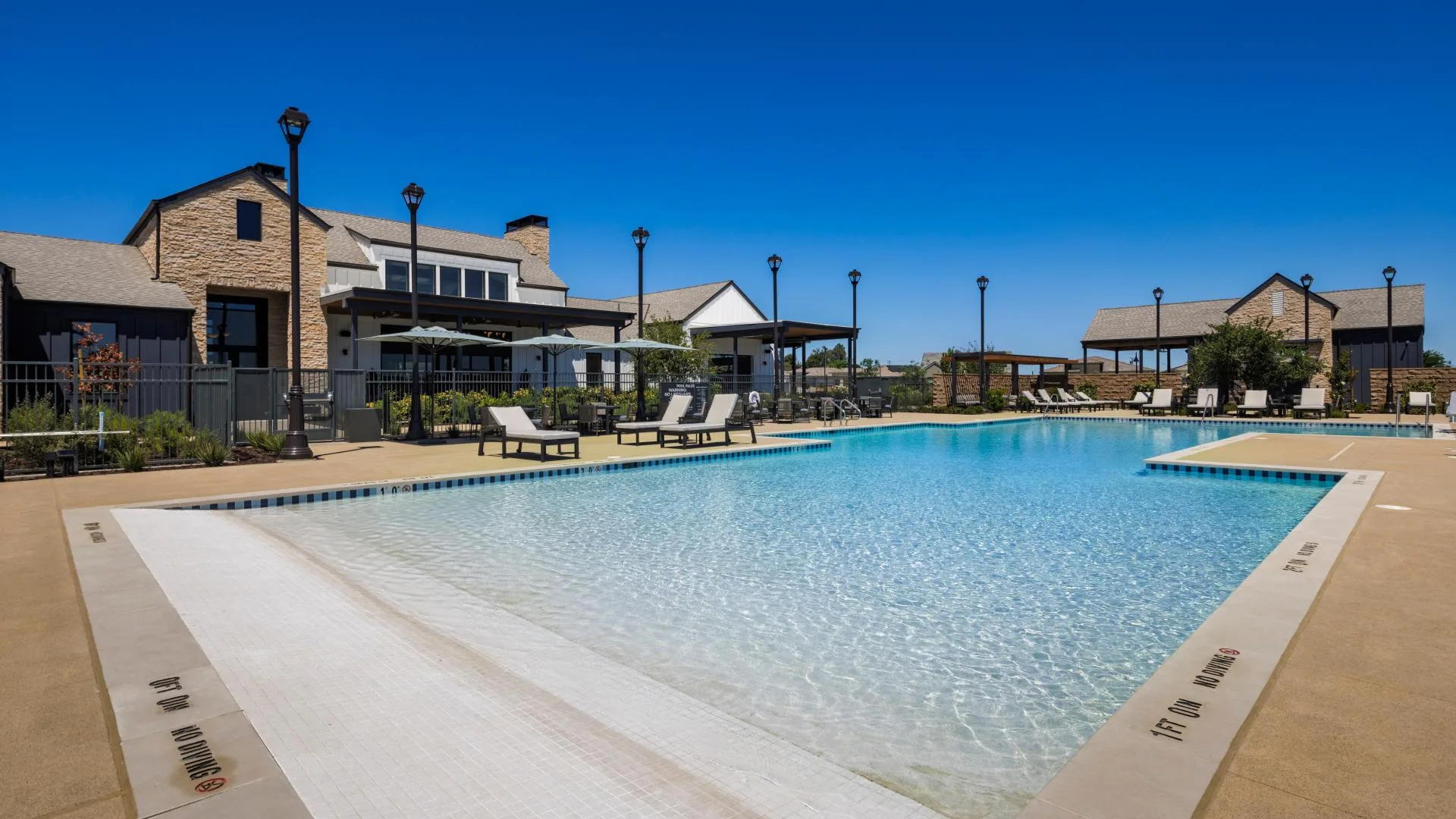
Connections in a 55+ community rarely form at organized socials alone. They form in the recurring places where the same people show up at the same time: the club signup table, the welcome committee, the dining room, the fitness class, the pool. These are the "third places" of active-adult living, and they are where solo residents go from new to known.
- Club signups. Clubs are the fastest route to a ready-made circle. Pick two or three that genuinely interest you and attend their meetings in the first month, before you settle into a routine without them.
- Welcome committees. Many communities run one, and the people on it are there specifically to meet new residents. Let them introduce you around; that is their job and they are good at it.
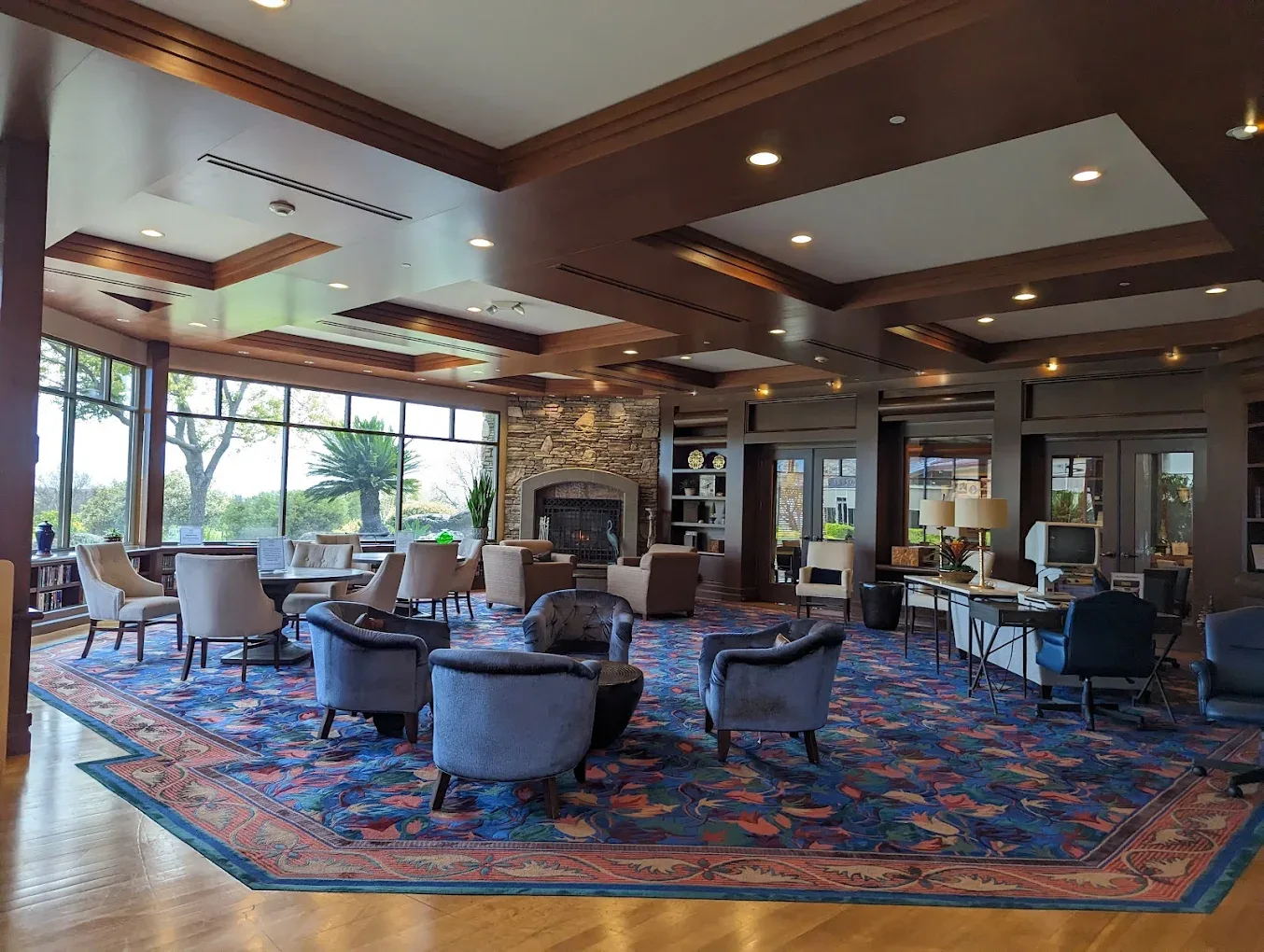
- Dining tables. If your community has a restaurant or dining room, the shared tables are the social engine. Sitting down with people you do not know is normal there, and it is the fastest way to meet a dozen neighbors in a week.
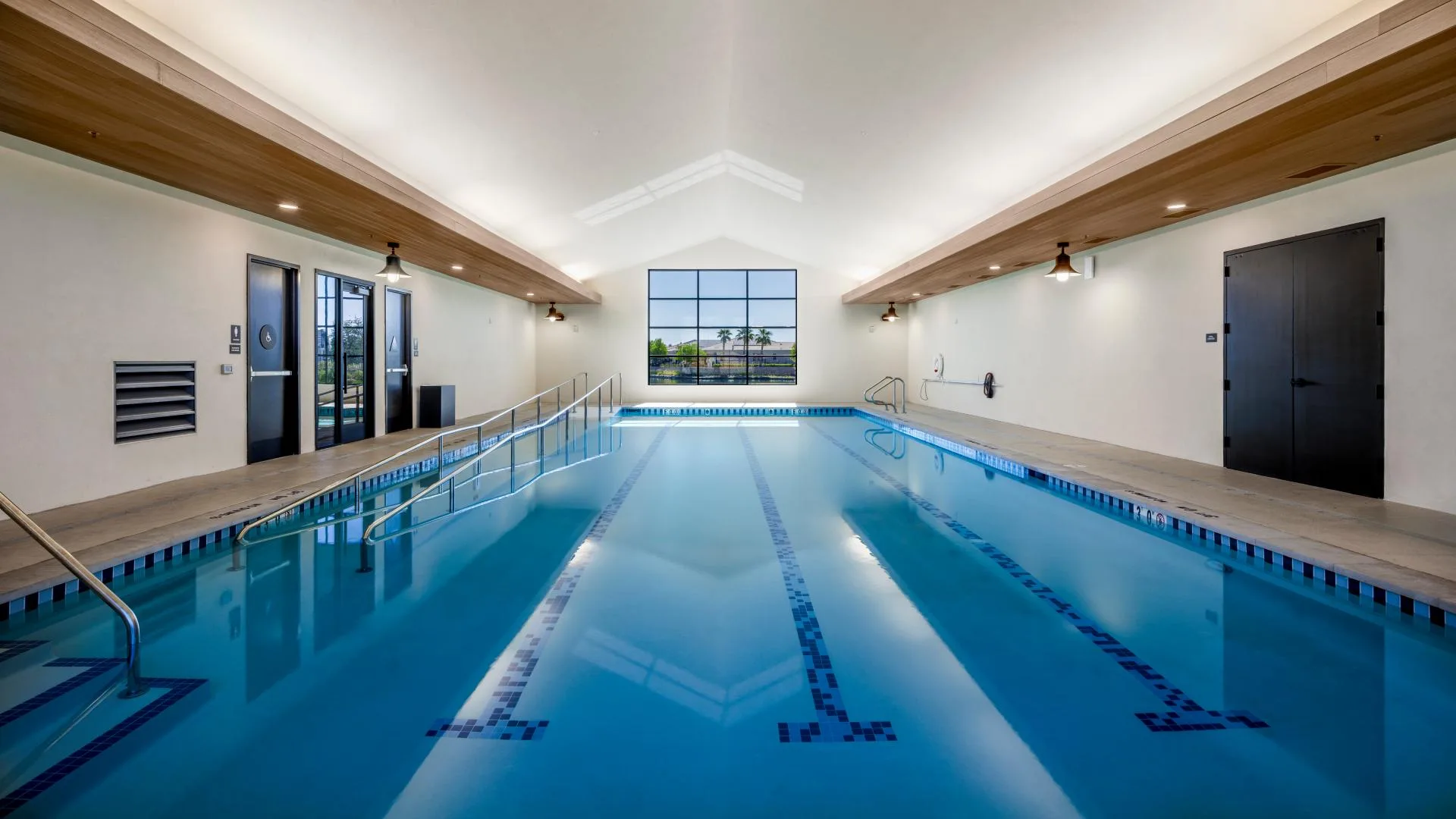
- Fitness classes and the pool. The same faces appear at the same class or the same pool deck every week. Consistency, not charisma, is what turns a classmate into a friend.
A note for solo buyers:
Major master-planned developments in South Placer and Sacramento feature chartered 'Singles Clubs' or 'Solos Clubs' that host dedicated weekly coffee hours, dinner outings, and travel groups specifically to prevent anyone from feeling isolated. If that matters to you, ask about these clubs on your tour, and ask to see their calendar.
If you would rather meet people over a paddle than a name tag, the courts may be your fastest on-ramp. Our guide to the pickleball social circuit explains why the rotation system puts you in front of a new partner every few minutes.
The First 90 Days, Laid Out Week by Week
A routine is easier to start than to keep, so the first 90 days get a structure here: three phases, each with a simple job. Follow the phase, not the calendar to the day, and let the community's actual schedule shape the timing.
Weeks 1-2: show up
- Attend newcomer orientation and the welcome-committee meet-and-greet.
- Say "I just moved in" to every neighbor you meet, at the mailbox, the cart path, the dog walk.
- Walk the community once a day at the same time so faces start to repeat.
Weeks 3-6: pick your anchors
- Join two or three clubs or classes you actually enjoy, and attend every meeting for a month.
- Take a weekly spot: the pickleball rotation, a fitness class, a standing table at coffee.
- Say yes to at least one invitation a week, even small ones.
Weeks 7-12: go deeper
- Join one committee or volunteer post so residents know you by name.
- Host or co-host one small gathering, even coffee with a neighbor you have met twice.
- Protect your decompression time and let the routine feel normal.
Where the organic connections form, without a name tag
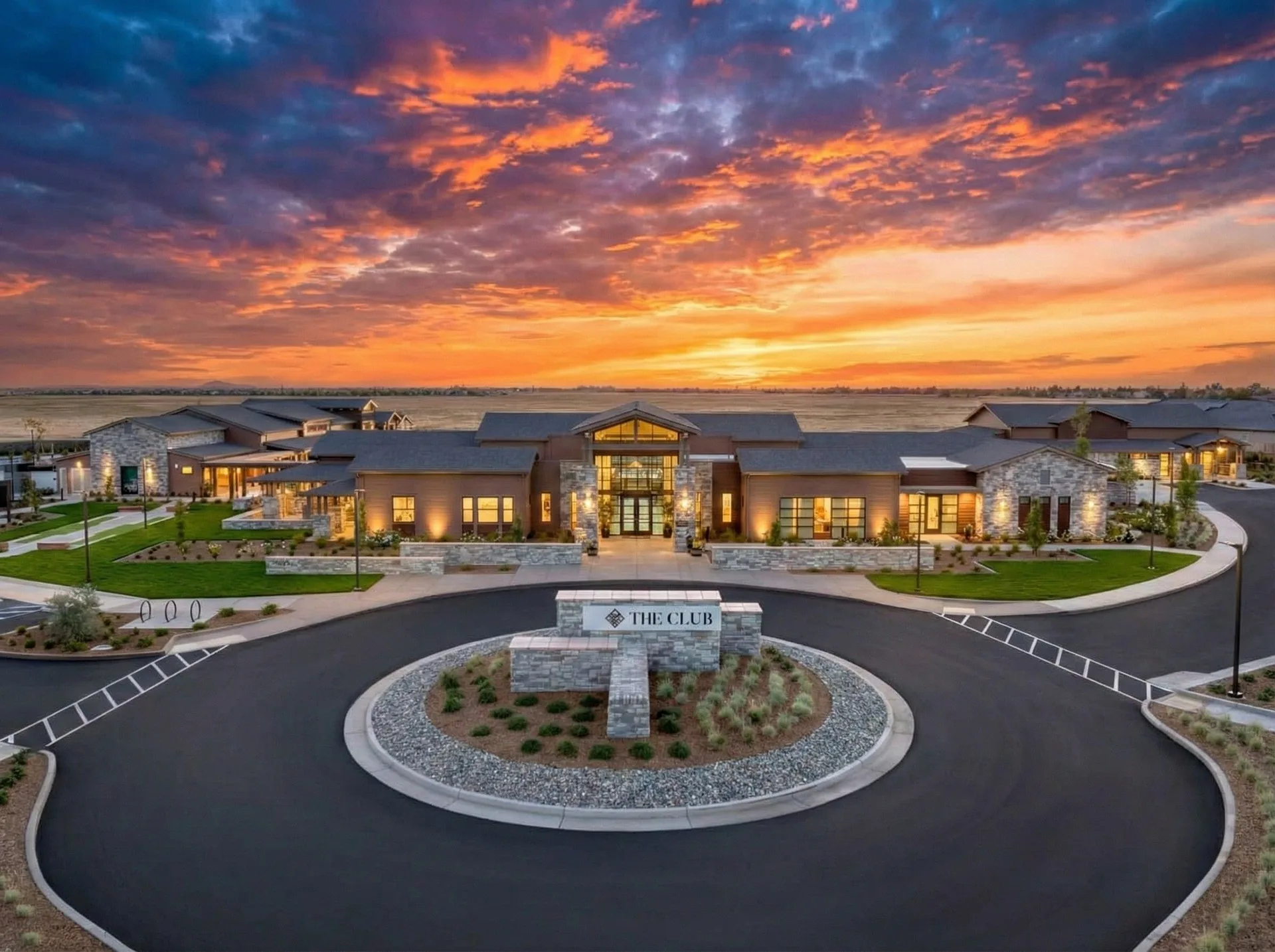
The friendships that last rarely start at scheduled mixers. They start where the same people keep showing up: the pickleball rotation, which seats you with a new partner every few minutes, the special interest clubs, where a shared hobby does the introducing for you, and the lodge and clubhouse events, the dinner nights, holiday socials, and coffee hours that fill the community hall. Pick the recurring ones, go weekly, and the connection does the rest. Our guide to the pickleball social circuit explains why the rotation system is the fastest on-ramp in South Placer and Sacramento.
The Solo Resident Advantage
It sounds counterintuitive, but single residents often build a wider circle more easily than couples. Couples tend to pair off, two people who already have each other, and can drift through a community without ever really joining it. A solo resident has no built-in companion, so the community becomes the companion, and that changes how people respond to you.
Neighbors notice a person eating alone or sitting at an empty table, and in an active-adult community, that usually means an invitation. The same dynamic works at the pool, the fitness class, and the club meeting. People want to include you, and the fastest way to let them is to be visibly present and open:
- Sit at shared tables. Choose the table with people over the table alone. This one habit does more for a solo resident than any club membership.
- Join a committee. Committees are where residents become known by name. One committee gives you purpose, a schedule, and a dozen people who will greet you by name at the clubhouse.
- Let people know you are new. Say it out loud, often, in the first month. "I just moved in" is an invitation for people to take you under their wing, and in these communities, they will.
For a deeper look at the loneliness question many solo movers carry with them, our reflection on finding friendship, fellowship, and purpose in life's next chapter is worth reading before you pack.
A Realistic Pace
The biggest mistake solo movers make is overcommitting in month one. Every club, every class, every dinner sounds wonderful, and suddenly you are busier than you have been in years, with no time to decompress. That pace does not last, and when it collapses, people sometimes blame the community instead of the schedule.
A sustainable rhythm looks like this:
- A few anchor activities a week. Choose two or three that you genuinely look forward to, not the ones that sound most impressive. The anchors are the spine of your social life.
- A core group. Within a few months you will have a handful of people you can call by name and who would notice if you missed a week. That is the goal, not a packed calendar.
- Time to decompress. Your home is your retreat. Protect quiet evenings, and do not feel guilty about declining invitations. Sustainable connection includes rest.
If you are weighing this move with a partner who is less sure, our guide to when one spouse wants to move and the other doesn't walks through that conversation. And to see what a typical day in these communities actually looks like, start with a day in the life at a 55+ resort community. When you are choosing between communities, our guide to clubhouse culture, resort-style versus quiet retreats helps you match the social scene to the pace you actually want.
Navigating Community Guidelines as a Single Resident
The rules of a 55+ community are written with a household in mind, and a solo household reads them a little differently. The sections that matter most to a single resident are usually short, and worth reading before you buy rather than after:
-
Guest and visitor stays. Many communities set limits on how long a guest can stay before the visit becomes an occupancy question, which matters when children, grandchildren, or a long-distance friend visit for a season. Ask for the guest-duration sections of the CC&Rs before you choose the community.
-
Occupancy and the 55+ rule. Federal and state housing law allow age-restricted communities to require at least one resident 55 or older, and the CC&Rs spell out the household rule. A single resident over 55 satisfies the requirement by themselves; the question is how long younger visitors can stay and whether a caregiver or relative could become a resident.
-
While you are away. Snowbirds and frequent travelers should check the absent-owner rules: how long the home can sit empty, whether rentals are allowed in your absence, and whether the HOA needs a contact and a forwarding address. Our guide to rental restrictions in 55+ developments covers the rental side in detail.
-
The people to ask. The lifestyle director, the HOA office, and the welcome committee all exist to answer exactly these questions. Ask them for the guest, occupancy, and absent-owner rules in writing, and ask how the community has applied them recently, because enforcement varies as much as the text.
The same community can read very differently to a solo buyer than to a couple, so ask the questions that match your actual life. Our guides to the HOPA age rules explained and whether grandchildren can stay with you cover the two questions single residents ask most.
Frequently Asked Questions
Is it hard to move into a 55+ community alone?
Most solo residents find it easier than they feared, because active-adult communities are built around connection. Newcomer orientations, welcome committees, club signups, and shared dining tables give you natural ways to meet people in the first weeks. You still have to show up and say yes, but the community is designed to make that easy. In some master-planned developments in South Placer and Sacramento, chartered singles and solos clubs host weekly coffee hours, dinner outings, and travel groups specifically so no one feels isolated.
How do I meet people after moving in?
Start with the structured entry points: attend the newcomer orientation, introduce yourself to neighbors when you see them outside, and sign up for a club or class in the first month. Then use the everyday ones: sit at a shared table in the dining room, join a fitness class at the same time each week, and say yes to invitations even when they feel small. The habits you set in the first 90 days become the routine you keep.
What if I'm not outgoing?
You do not need to be the life of the party. Pick one or two low-pressure anchors, a morning walk, a weekly class, a regular table at coffee, and let those become your routine. Small communities and quiet clubhouses often feel more comfortable for introverts, and one-on-one connections, a neighbor who waves, a card game partner, a fellow gardener, grow just as reliably as group ones.
Are there communities better suited to singles?
Yes, and the differences show up in the activity calendar. Larger master-planned communities in South Placer and Sacramento often charter dedicated singles clubs or solos clubs with weekly coffee hours, dinner outings, and travel groups. Smaller boutique communities may have fewer organized singles events but a tighter, more personal circle. Ask about singles and solos clubs, welcome committees, and newcomer events on your tour, and ask to see the actual activity calendar before you decide.
Move In Alone, Never Live Alone
Gary and Rutsell help solo buyers find the community whose social rhythm fits how they actually want to live, and they can point you to the clubs, committees, and newcomer events before you even move. Call or text Gary at 916-595-4279, Rutsell at 916-695-2800, or send a message through our contact page.
Written by The Gary Lee Team
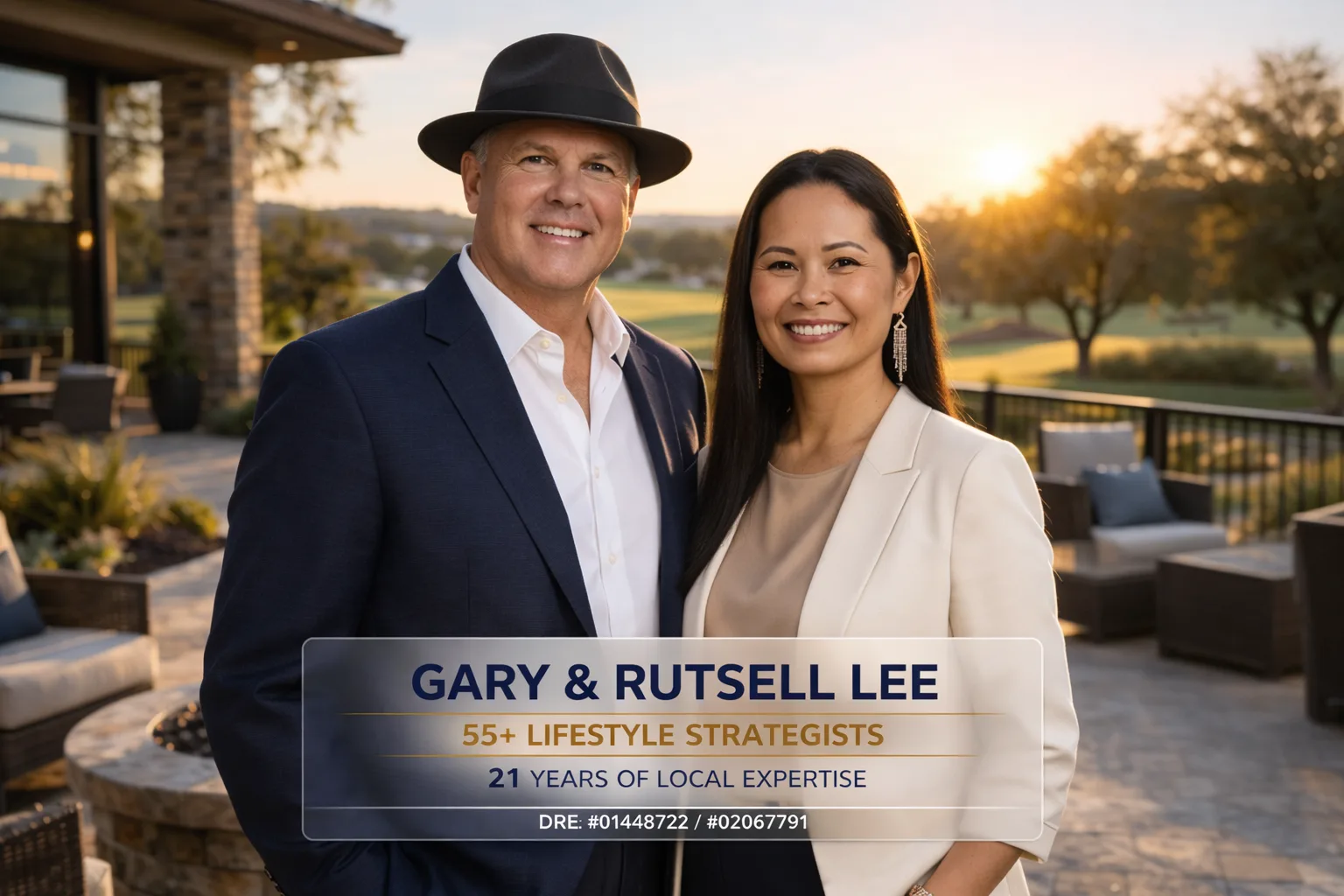
Gary Lee, REALTOR, CA DRE #01448722, and Rutsell Fabillar Lee, REALTOR, CA DRE #02067791, are the husband-and-wife team behind NorCal55Plus.com. The Gary Lee Team operates under eXp Realty of Northern California, Inc. Gary has served Northern California real estate clients since 2004 and specializes in 55+ active-adult communities, resale homes, new construction, relocation, and downsizing. Client services are offered in English, Tagalog, and Bisaya.
Call or text Gary at 916-595-4279 or Rutsell at 916-695-2800, or send a message through our contact page. Whether you are moving alone or with someone you love, we would love to help.
Meet your specialists
Meet Gary & Rutsell, your Northern California 55+ REALTORS
Gary Lee has been a full-time California REALTOR® since 2004. Rutsell Lee is also a California REALTOR® and co-founder of The Gary Lee Team. Together they research Northern California 55+ communities, tour homes and amenities, and help buyers and sellers compare their options throughout Greater Sacramento and Northern California.
The Gary Lee Team · eXp Realty of Northern California, Inc.