Buyer Education · Guest Rules & HOPA
Can My Grandchildren Stay With Me in a 55+ Community?
A Northern California guide to visiting, temporary stays, and permanent occupancy, written by independent 55+ specialist Gary Lee.
Last reviewed September 2026 · General education, not legal advice
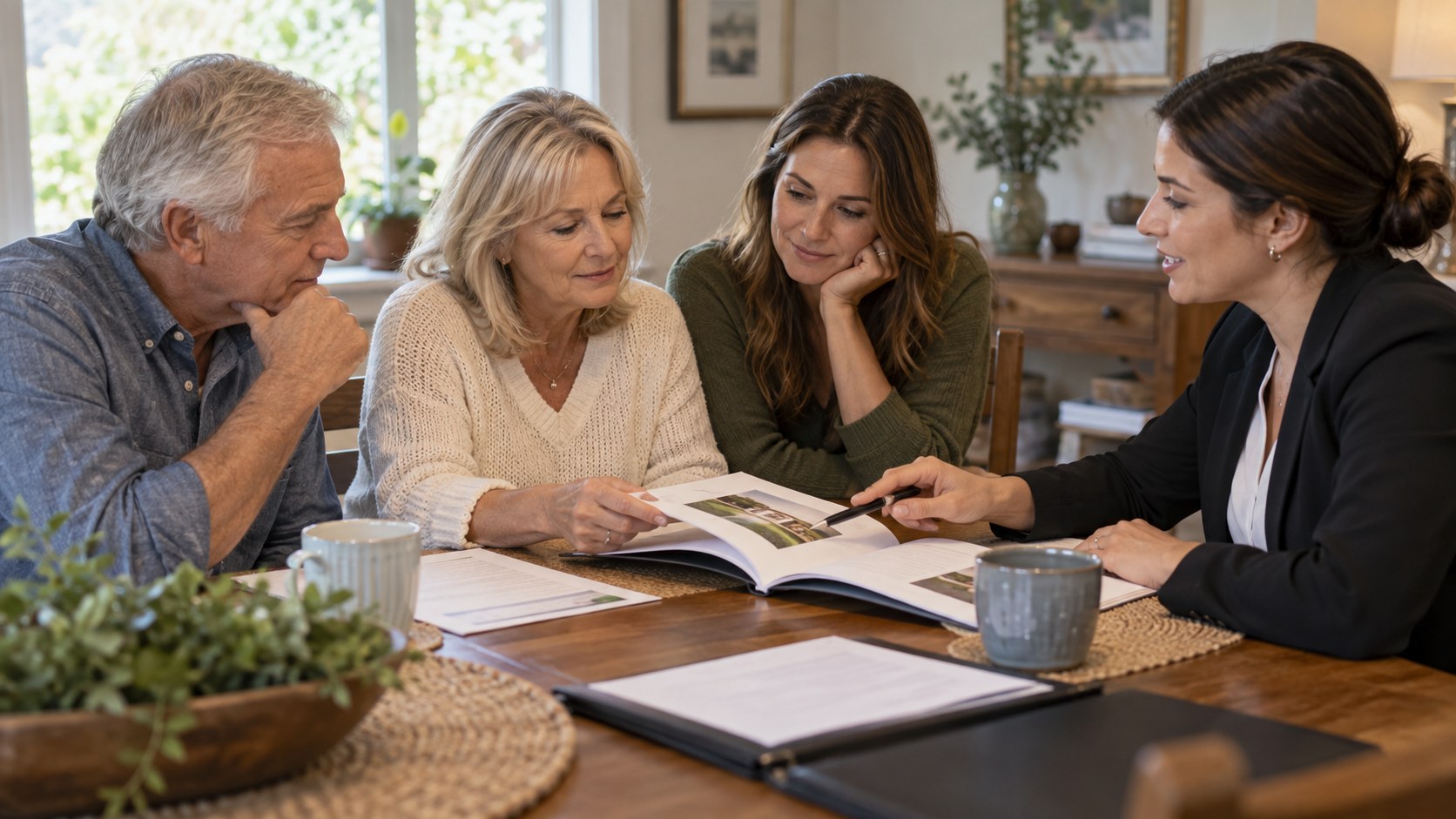
Grandchildren Visiting a 55+ Community · Click for full size
Last verified:
Whether your grandchildren can stay with you in a 55+ community, and for how long, depends on that community's own governing documents: visiting is generally allowed, but who may stay long-term or live there permanently is governed by each association's CC&Rs and by the federal Housing for Older Persons Act (HOPA). There is no one statewide answer, which is exactly what confuses families planning a weekend visit, a summer stay, or a permanent move for a grandchild or an adult child.
The 90-day guest standard across Northern California
The standard across the vast majority of Northern California 55+ communities is a guest policy that allows family visitors up to 90 days total per year. That 90 days is cumulative: family members of any age are generally welcome to stay for several months out of the year, and they can come and go as often as they like, as long as the total stays under 90 days across the year. It is not a "90 days, leave, come back, and start a new clock" arrangement. The allowance is the total for the year, not a per-visit count.
In practice this is an honor-system policy. No one stands at the gate with a clock or a calendar. Communities put the rule in place mainly to make sure younger family members are not settling in permanently, not to police family visits. That said, this is the general standard for the majority of communities, not a single number written into every set of rules: policies differ and change, so confirm the guest policy with the specific community you are considering, in writing, before you rely on it.
This is the question we hear more than almost any other at gates and open houses across the 55+ active-adult communities NorCal55Plus covers in Placer, Sacramento, and El Dorado counties. The good news: most communities welcome visitors. The honest news: the details that matter, how long a guest can stay before the age rules begin to apply, live in the association's rules, not in a handbook you can carry from one community to the next.
For the deeper dive on how the age rules themselves work, our companion guide, Age Requirements and the HOPA Rules, Explained , is the fuller treatment. This post focuses on the guest and family question: what HOPA does and does not permit, what each community writes into its own rules, and how to get the answer that applies to your family in writing.

Meet your specialists
Meet Gary & Rutsell, your Northern California 55+ REALTORS
Gary Lee has been a full-time California REALTOR® since 2004. Rutsell Lee is also a California REALTOR® and co-founder of The Gary Lee Team. Together they research Northern California 55+ communities, tour homes and amenities, and help buyers and sellers compare their options throughout Greater Sacramento and Northern California.
The Gary Lee Team · eXp Realty of Northern California, Inc.
Key Takeaways
- Visiting is generally allowed: a grandchild here for a weekend or a holiday is a guest, not a resident, and the federal age rules count residents, not visitors.
- Across the majority of Northern California 55+ communities, the standard guest policy allows family visitors up to 90 days total per year, applied cumulatively and on an honor-system basis: family members of any age are welcome to come and go through the year within that total. It is the common standard, not a universal one, so confirm the current policy with the specific community in writing.
- The federal Housing for Older Persons Act (HOPA, 42 U.S.C. section 3607) requires at least 80% of occupied units to have at least one resident age 55 or older, but it does not create a universal guest-day limit and it does not set a universal permanent-occupancy rule. Each community’s CC&Rs and written rules do.
- Rules differ community to community, sometimes dramatically. A guest policy at one Northern California 55+ community does not apply at another, so the specifics are always checked against the community’s own current documents.
- Where we have not verified a rule, we say so plainly: confirm guest-stay limits, minimum ages, and caregiver provisions with the association in writing before you rely on them.
Every named rule below is dated with its source, and everything checked was reviewed on September 24, 2026. Rules change, so dates matter: the figure that applies on your moving day is the one in the community's current documents.
Can my grandchildren visit for a day, a weekend, or a holiday?
Yes, generally. The starting point is a distinction that resolves most of the confusion: a visitor is not a resident. A grandchild here for the weekend is a guest, and the federal age rules count residents, not visitors. HOPA, the Housing for Older Persons Act, lives at 42 U.S.C. section 3607 and requires a qualifying 55+ community to have at least 80% of its occupied units occupied by at least one person age 55 or older. A grandchild staying overnight as a guest does not change that calculation.
HOPA and HUD's implementing guidance impose no federal limit on guest visits or overnight stays by younger visitors. The statute addresses the age composition of occupied units, not temporary visitors, which is why there is no national "guest-day clock" to find. The guest standard written into the majority of Northern California 55+ communities is a 90-day-total-per-year allowance for family visitors, applied cumulatively on an honor-system basis. It is a common standard, not a universal one, and the number that binds your family comes from the community's own governing documents, which is why we always confirm the current rule for the specific community before planning around a figure.
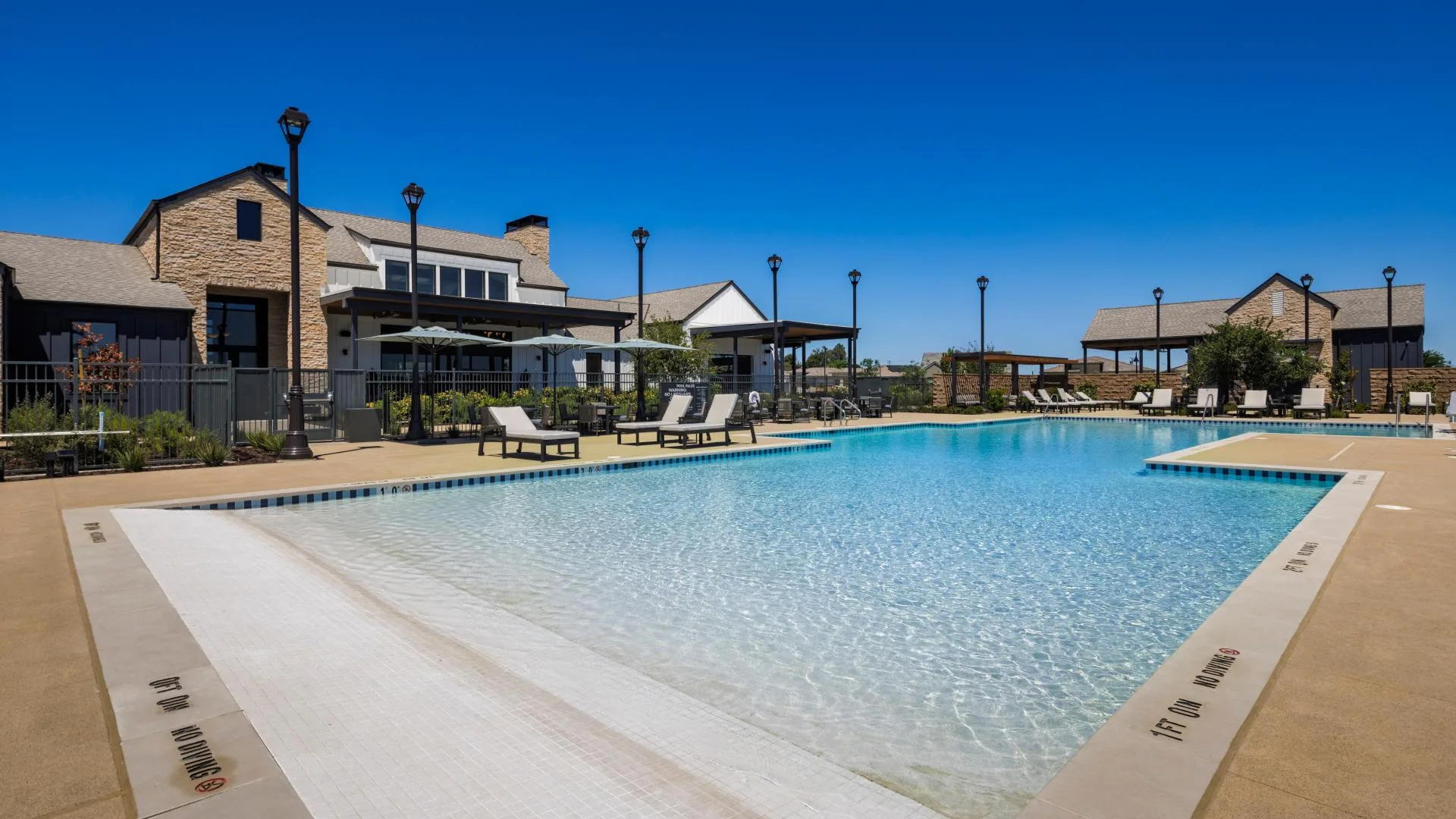
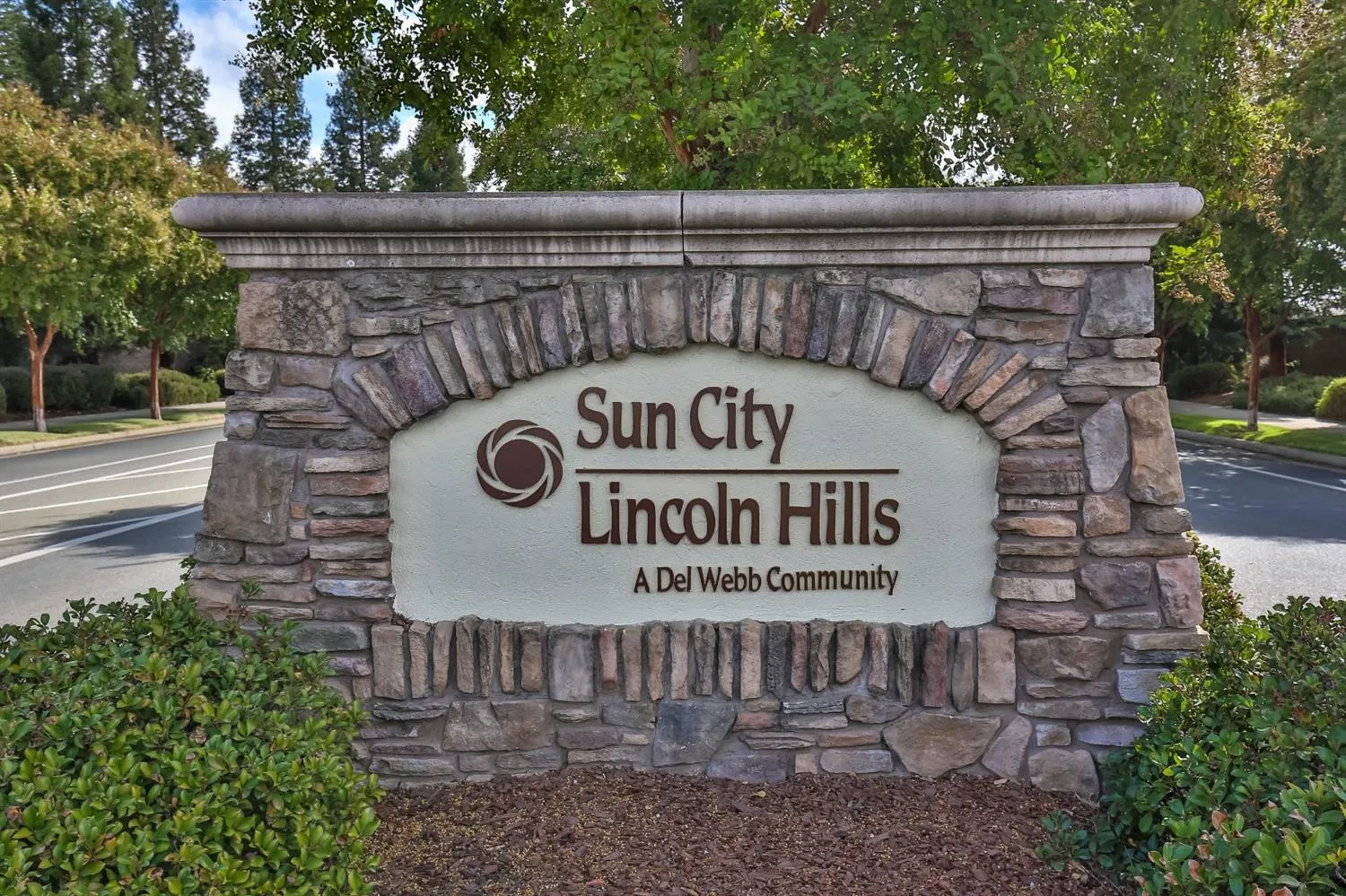
What communities do regulate is how guests use the lifestyle. Pools, fitness centers, and clubhouses are for residents, and associations write the rules on guest access, guest fees, and accompanied use. Sun City Lincoln Hills in Lincoln offers a useful, verified example of how a community spells this out. Its Club Policies, board-approved in 2024, state that non-residents may participate in club activities only by invitation and while accompanied by a resident, and that a non-resident guest may not attend more than six (6) club activities or events on Association property per calendar year without Board approval.
Sun City Lincoln Hills guest rule: non-residents may participate in club activities only by invitation and accompanied by a resident; a non-resident guest may not attend more than six (6) club activities or events on Association property per calendar year without Board approval.
Source: Sun City Lincoln Hills Community Association Club Policies (BOD-approved 2024) · Checked September 24, 2026
Notice what that rule covers: club activities on Association property, not the number of nights a grandchild sleeps in your guest room. The guest-stay policies for homes sit in the community's recorded CC&Rs, and we have not verified an overnight guest-day number for Sun City Lincoln Hills. So we will not give you one, and neither should anyone who has not read the current statement. That is the honest answer: confirm it with the association in writing.

Can grandchildren stay for a few weeks?
A summer visit, a month with grandma and grandpa, a gap between parents' moves: long visits are where the rules get specific, and it is also where the numbers vary. You may hear figures at community events, "14 nights", "30 days", "one week out of every month." The figure used by the majority of Northern California 55+ communities is different: a guest policy that allows family visitors up to 90 days total per year, applied cumulatively so they can come and go through the year, on an honor-system basis. The federal bottom line remains that HOPA does not set any single number, and HUD's guidance does not create one either. The number that applies to your family is the one in that specific community's current CC&Rs and written rules, which is exactly what we confirm before anyone plans around a figure.
The real question for a long stay is simpler than it sounds: when does a guest become a resident? Associations commonly define residency by length of stay and by an application process, and the moment a person counts as a resident is the moment the age and occupancy rules apply to them. That definition lives in the governing documents, so the question to ask is not "how long can kids visit?" It is "after how many days does an overnight guest start counting as a resident here?"
These are the questions to put in writing, for any community you are considering:
-
Is there a limit on how many nights a guest may stay, either at one time or in a calendar year?
-
After how many consecutive days does an overnight guest count as a resident for the association?
-
Do guests need to register at the gate or with the management office, and how far in advance?
-
May guests use the pools, fitness center, and club amenities, and are there guest fees or caps?
For Sun City Lincoln Hills specifically: we have verified the 55-or-older occupancy requirement in the recorded CC&Rs and the club-activity guest rule above, but we have not verified a specific overnight guest-day cap for homes in that community. If someone tells you a number for Sun City Lincoln Hills guest stays, ask them which page of the current governing documents it is on. The current documents are available to members through the association's governance page, and to buyers through HomeWiseDocs during escrow, and a written answer from the association settles the question.
Can grandchildren live with me permanently?
This is the situation where the answer matters most, and it is also where it varies the most. Under HOPA, a qualifying 55+ community must have at least 80% of its occupied units occupied by at least one person age 55 or older. Within that qualifying 80%, only one occupant needs to be 55 or older, and the other occupants in that home may be younger. So a grandchild living with a qualifying grandparent does not, by itself, break the federal age rule.
But here is the part families often misread: HOPA is the floor, not a ticket. The statute does not give anyone a universal right to live in a 55+ community. Each community decides, in its CC&Rs and application documents, who may take up permanent residency, and many communities adopt rules stricter than HOPA: a minimum age for a second permanent resident, limits on permanent residents under 18, or a residency application that verifies ages at closing. Those stricter rules are legal, and they are precisely why one community's answer can be completely different from its neighbor's.
Not every community tightens the second-resident age, and the difference matters enormously for families with younger adult children. Two communities we cover, Esplanade at Madeira Ranch and Esplanade at Turkey Creek, use an 18-and-older policy: as long as the primary resident meets the 55+ requirement, the secondary resident can be 18 or older. That is a materially different standard from a community that requires the second occupant to be older still, and it is exactly why the answer for your family lives in the community you choose, not in a single statewide rule.
Every set of rules also carries exceptions, including disability-related ones. A family with a younger child who has a disability may qualify for an exception under applicable rules, even in a community with a strict age standard. If you think an exception may apply to your situation, ask the specific community about it, in writing, before you plan around a guess.
Sun City Lincoln Hills occupancy rule: the community's recorded CC&Rs require that each home be occupied by at least one person age 55 or older, and state that the project qualifies as housing for senior citizens under California Civil Code section 51.3 by restricting occupancy.
Source: Sun City Lincoln Hills recorded CC&Rs, via the association's governance page · Checked September 24, 2026
We have not verified whether Sun City Lincoln Hills sets a minimum age for a second permanent resident or limits permanent residents under 18, so we will not assert one. Ask the association in writing. If you are reading this and plan to have a grandchild or adult child move in permanently, the honest path is the same one we use for every community we cover: read the current CC&Rs and rules, confirm the occupancy question with the association in writing, and complete the age-verification and application paperwork during escrow, before closing, not after move-in day.
The same standard applies to any community anyone names to you, including Sun City Roseville. Its policies are its own: if a specific rule from another Del Webb community is quoted to you, ask for the page in that community's current documents before you believe it.

The Sun City Lincoln Hills rules we have verified, with their sources
Every rule named in this post is listed below with its source document and the date we checked it. Everything else, guest-day caps, minimum ages for additional residents, caregiver provisions, remains unverified here and is yours to confirm in writing with the association.
At least one person age 55 or older must occupy each home. The community’s recorded CC&Rs state the project qualifies as housing for senior citizens under California Civil Code section 51.3 by restricting occupancy.
Sun City Lincoln Hills recorded CC&Rs, via the association’s governance page Checked September 24, 2026
The recreation centers are identified as common facilities “for the use and enjoyment of the Community Association’s members, their guests and invitees.”
Sun City Lincoln Hills recorded CC&Rs Checked September 24, 2026
Non-residents may participate in club activities only by invitation and while accompanied by a resident, and a non-resident guest may not attend more than six (6) club activities or events on Association property per calendar year without Board approval.
Sun City Lincoln Hills Community Association Club Policies (BOD-approved 2024) Checked September 24, 2026
Not verified here: we have not confirmed an overnight guest-day cap, a minimum age for a second permanent resident, or specific caregiver provisions for Sun City Lincoln Hills. Before relying on any of those, request the current governing documents from the association in writing. Where a rule is not verified, the honest instruction is the same for every community: confirm it, in writing, with the association.
Visits, adult children, and caregivers: the practical questions
Beyond the law, families plan around three real situations. Here is how each one usually plays out, with the same caveat throughout: the community's documents rule, and we help you read them before you plan around a guess.
Grandparents planning visits
Plan ahead and ask before the visit: whether guests sign in at the gate or office, whether grandchildren may use the pool and clubhouse with you, and whether there is a guest-day or consecutive-night limit. Most communities answer happily; the ones that want advance notice simply want it written down. Ask in writing a few weeks before the first visit, and keep the answer.
An adult child or caregiver moving in long-term
Long-term is different from a visit, full stop. An adult child moving in typically faces the community's application and age-verification process, and the answer depends on the community's occupancy rules. Some communities have caregiver provisions; some handle caregiver situations case by case; and where care is tied to a disability, the association's reasonable-accommodation process may be the right door. We are real estate specialists, not attorneys, so our advice is the practical kind: frame the question, ask the association in writing, and let us help you present the situation clearly.
A grandchild living with you for a school year
This is the gray zone between a long visit and permanent residency, and it is exactly where the community's definition of residency decides everything. Ask how many consecutive nights a guest may stay, when the age-verification application would be required, and whether the household would need Board approval. Some communities have an established answer; others decide at the Board level. Either way, get it in writing before the school year starts.
How do I get the answer in writing?
The reliable path is short. Ask in writing, read the actual documents, and complete the age paperwork at the right time.
-
Read the documents. The guest and occupancy rules live in the CC&Rs, bylaws, rules, and application forms. For Sun City Lincoln Hills, the current documents are available through the association's governance page and through HomeWiseDocs during escrow.
-
Ask the association in writing. Email or formal request beats a conversation at the front desk, because you keep the answer. Ask the guest-stay, occupancy, and caregiver questions above in writing and save the reply.
-
Complete the age-verification paperwork during escrow. The occupancy rule is enforced when you apply, before you close. A 55+ specialist makes sure the age-restriction paperwork is finished on time so the household you plan is the household you buy.
And a reminder of the honest rule we apply to every community in our coverage area across Placer, Sacramento, and El Dorado counties: if we have not verified a rule against the community's current documents, we say so, and we help you confirm it in writing rather than guessing.
Go deeper on the age rules and the communities
- Age Requirements and the HOPA Rules, Explained The companion piece on how the age rules themselves work: the 80% rule, age verification, and the exceptions.
- Sun City Lincoln Hills: Pros and Cons The community guide for the 55+ community named throughout this post.
- Sun City Roseville vs. Sun City Lincoln Hills Why the two Del Webb communities differ, and why each one's rules are its own.
- The complete Sun City Lincoln Hills community guide on NorCal55Plus.com The full primary-site guide to Lincoln's 55+ community.
Questions families ask us about guests and overnight stays
The short versions of the practical questions we answer in appointments and at the gate, with the same caveat each time: the specific community's documents rule, and we will help you read them.
Do grandchildren need to be registered at the gate or with the HOA office?
Likely, at least for their first visit, and the mechanism varies. Many gated communities expect guests to check in at the gate or register with the office, and some ask for advance notice. The specific sign-in process is set by the community, so ask in writing before the visit and save the answer.
What is the difference between a guest and a resident?
A resident lives in the home under the community’s occupancy rules; a guest visits. The important part is that associations commonly define when an overnight visitor crosses over and starts to count, often by length of stay or by an application. Once someone counts as a resident, the age and occupancy rules apply to them. That definition is in the community’s documents, not in federal law.
Can an adult child move in to care for me?
Possibly, but it is a community-specific question, not a guaranteed right. Some communities have caregiver provisions or handle caregiver situations case by case, and questions tied to a disability can involve a reasonable-accommodation process. The path that works is the same as everywhere else here: ask the association in writing, review the CC&Rs, and make the plan before the move.
Can my grandchild spend the whole summer with me?
A long visit is still a visit until the community’s rules say otherwise, but this is exactly the question to check first. Ask whether the community has an overnight guest-day limit, how many consecutive nights a guest may stay, and whether an extended stay triggers the age-verification application. Get the answer in writing and keep it with your household records.
Get the Guest Rule in Writing Before the Visit, or the Offer
Whether you are planning summer visits from grandchildren, wondering whether an adult child can move in later, or comparing communities before an offer, we will pull the current documents with you and help you ask the right questions in writing.
Call or text Gary at 916-595-4279 · Rutsell at 916-695-2800, or send a message through our contact page.
The Gary Lee Team · eXp Realty of Northern California, Inc. · CA DRE #01448722 / #02067791
Sources and Official References
Federal law defines the HOPA framework, while each community's own governing documents control its specific guest and occupancy rules. Everything listed below was checked on September 24, 2026; rules change, and the version that binds your closing date is the current one from the community, confirmed in writing.
- 42 U.S.C. section 3607: Housing for older persons exemption (Cornell Legal Information Institute) The federal statute, as amended by the Housing for Older Persons Act, that grounds the 55+ age exemption. Checked September 24, 2026.
- HUD: Questions and Answers Concerning the Final Rule Implementing HOPA HUD's guidance on how the 80% occupancy requirement works and what it does not regulate. Checked September 24, 2026.
- Sun City Lincoln Hills Community Association: Governance Where the community's current recorded CC&Rs and governing documents are published. Checked September 24, 2026.
- Sun City Lincoln Hills Community Association Club Policies (BOD-approved 2024) The source for the six-activity guest limit on club events. Checked September 24, 2026.
Reviewed September 2026. This article is general consumer education, not legal advice for your specific situation; where a community rule is not verified here, confirm it with the association in writing. Gary Lee, CA DRE #01448722 · Rutsell Fabillar Lee, CA DRE #02067791 · Brokered by eXp Realty of Northern California, Inc. Equal Housing Opportunity.