Lifestyle · Community & Connection
Clubhouse Culture: Resort-Style Social Schedules vs. Quiet Retreats
Two very different ways to live in a 55+ community, and how to tell which one you actually want, written by independent 55+ specialists Gary and Rutsell Lee.
By Gary and Rutsell Lee, Northern California 55+ Specialists | October 2026
Last verified:
Every 55+ community has a clubhouse, but the clubhouse is not the same from one community to the next. At one end are the resort-style mega-amenity hubs with hundreds of clubs and a packed nightly calendar. At the other are smaller, boutique, low-key communities where a library, a card room, and a pool set a quieter pace. Comparing the two is one of the fastest ways to clarify what you actually want day to day, because the clubhouse culture is the daily life of the community.
This guide is about matching a community's social rhythm to your own. For the financial side of the amenities, our true cost of 55+ community living and how to read a 55+ HOA reserve study cover what the clubhouse actually costs.
Resort-Style Clubhouses
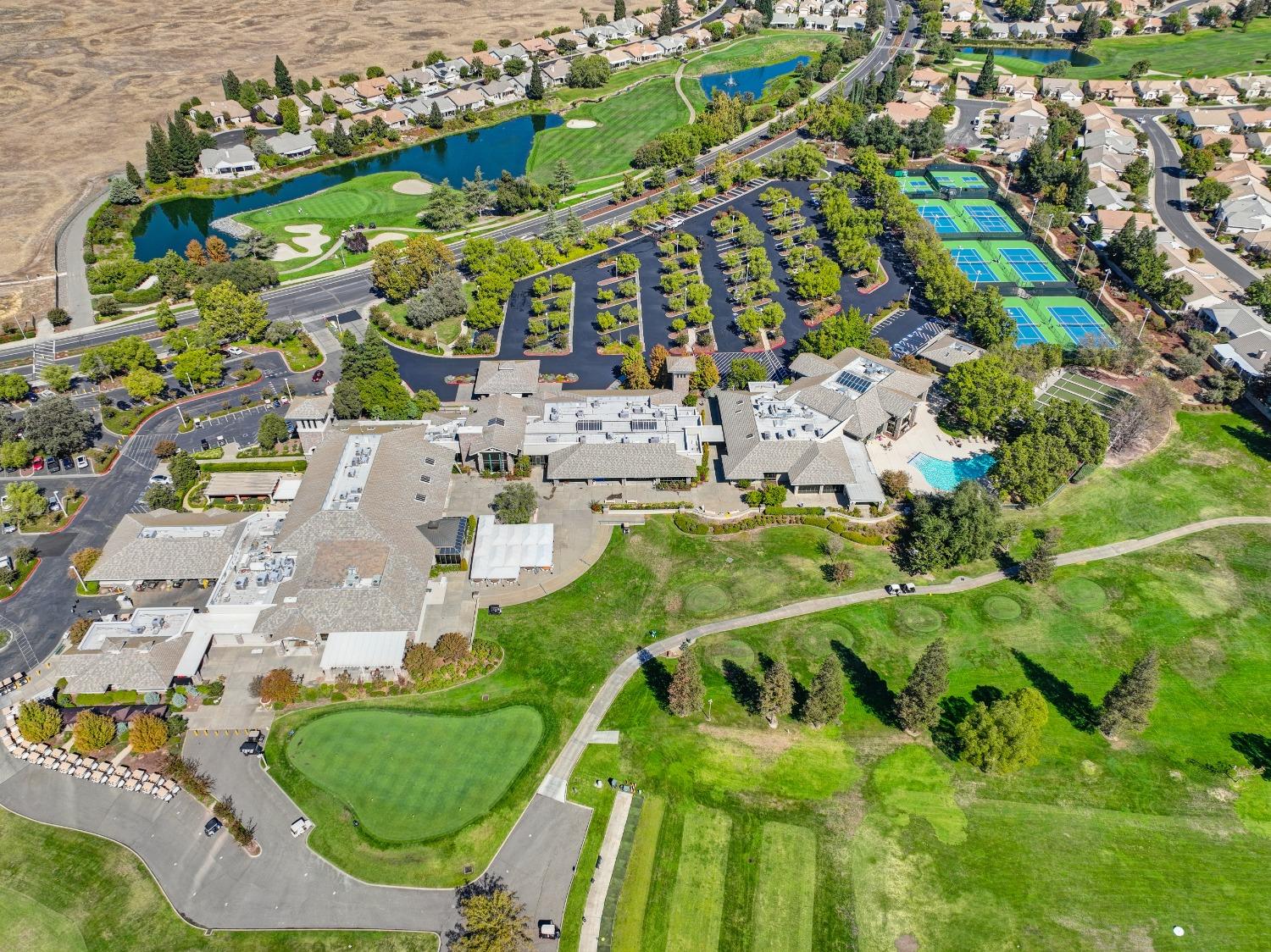
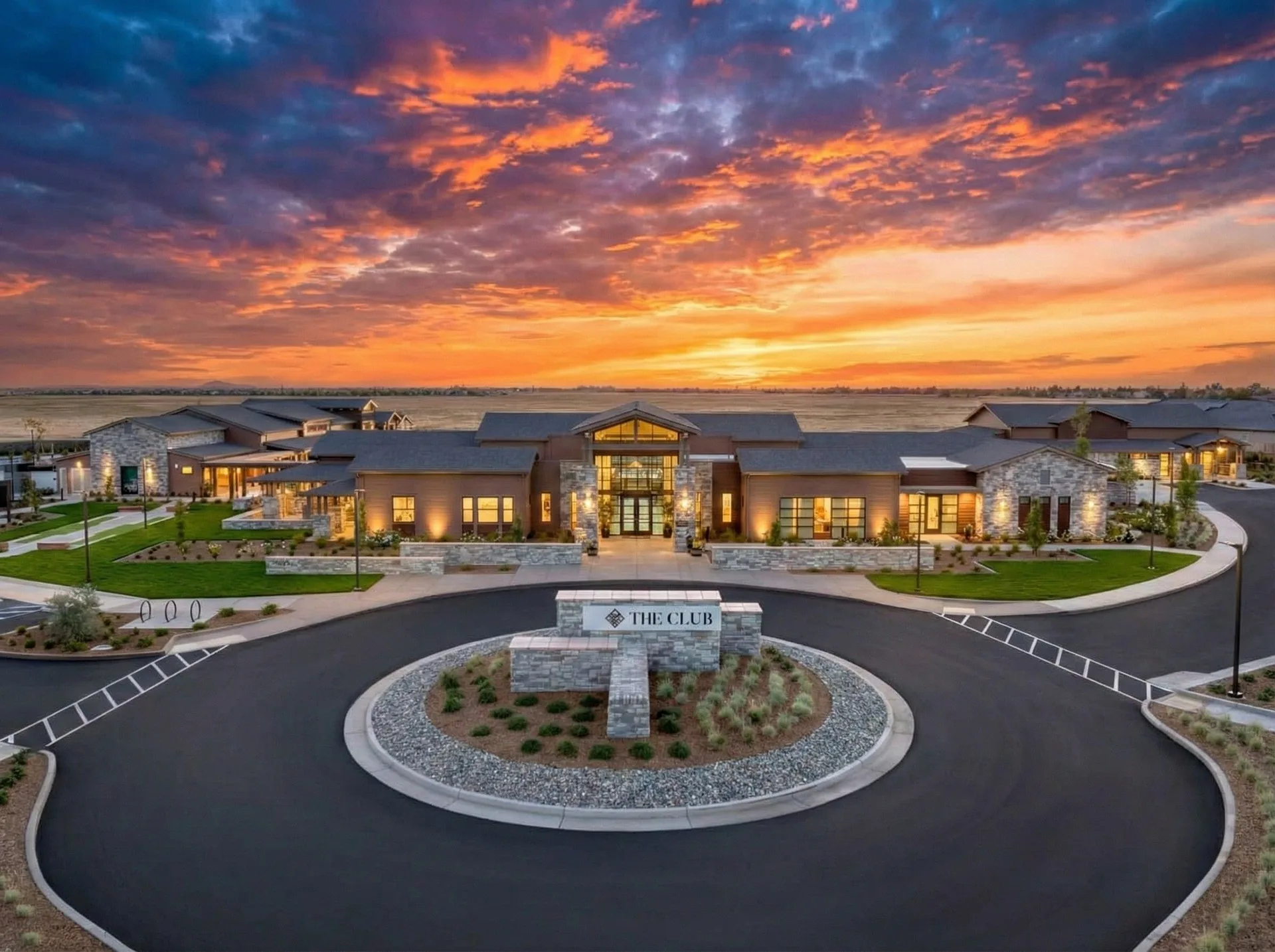
The resort-style clubhouse is the large-scale mega-amenity hub, and it is the image most people carry of 55+ living: a sprawling clubhouse complex with a restaurant, a fitness center, an indoor pool, an auditorium, a ballroom, and a calendar so full it needs its own app.
- Hundreds of clubs. From golf and pickleball to photography, woodworking, travel, and dining clubs, the club list at a mega-amenity hub runs into the hundreds. There is a group for nearly every interest, and new ones form constantly.
- Busy banquet rooms. The event spaces are booked most evenings: dinners, shows, dances, fundraisers, and holiday parties. If you want a social calendar without having to build one, this is where that happens.
- Nightly entertainment. Live music, theater, guest speakers, and movie nights fill the evenings. The clubhouse is the social center of gravity, and the community revolves around it.
- A packed activity calendar. Something is happening every day, often several things at once. The challenge is not finding something to do, it is choosing, and the pickleball courts are often the busiest corner of the campus. Our guide to the pickleball social circuit explains why the courts are where so much of the connection happens.
This culture suits residents who want the community to be the center of their social life, and who enjoy having a full calendar without having to organize it themselves. For a look inside that daily rhythm, our story on a day in the life at a 55+ resort community shows what the pace actually feels like.
Quiet Retreats
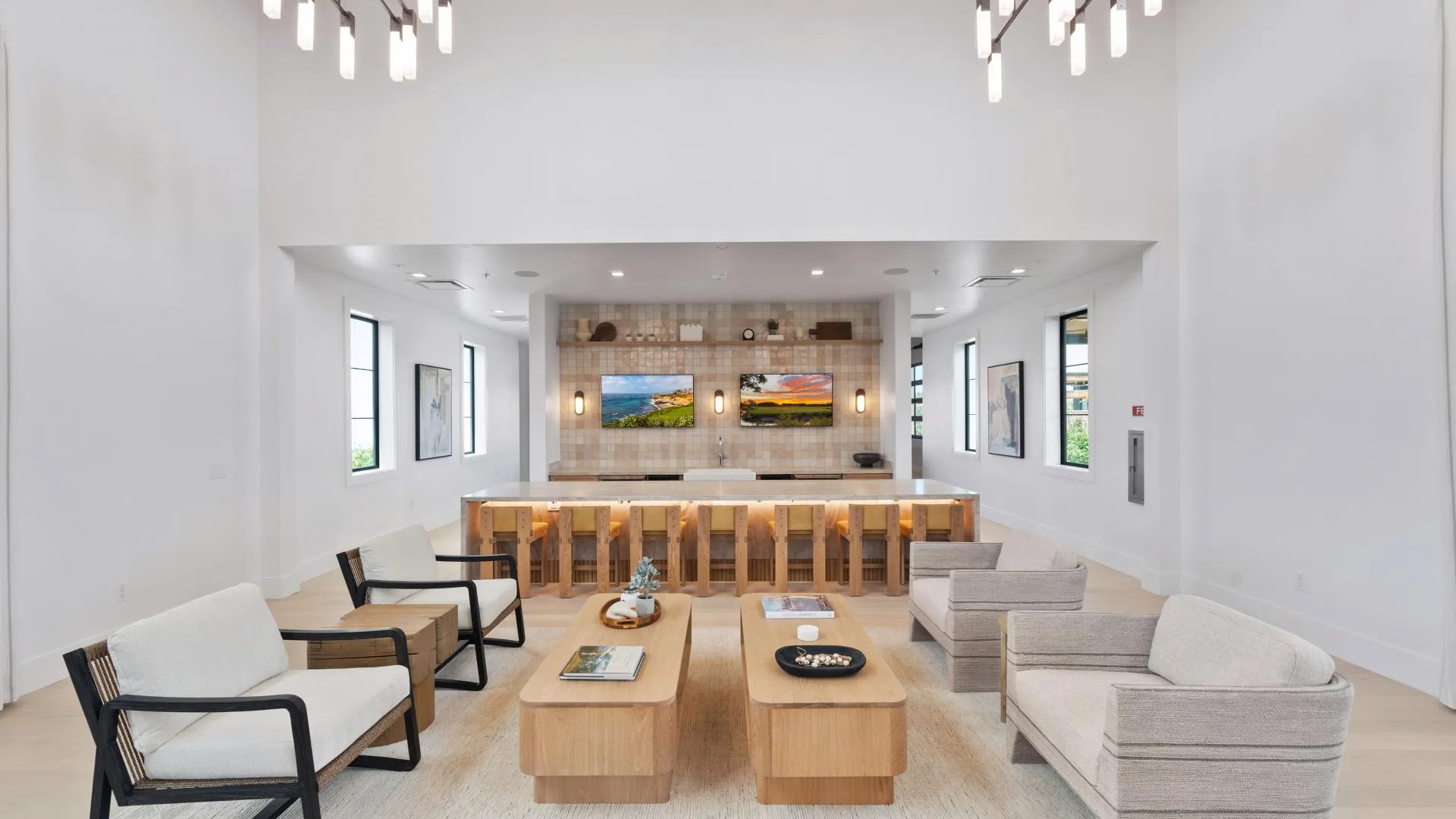
At the other end of the spectrum are the smaller, intimate, boutique clubhouses. These communities are low-key by design: a library, a card room, a pool, a fitness room, and a few gatherings a week instead of a few every day.
- Library and card room. The social anchors are smaller and quieter: a book club, a bridge table, a weekly game night. The same faces show up, and the group gets to know each other well.
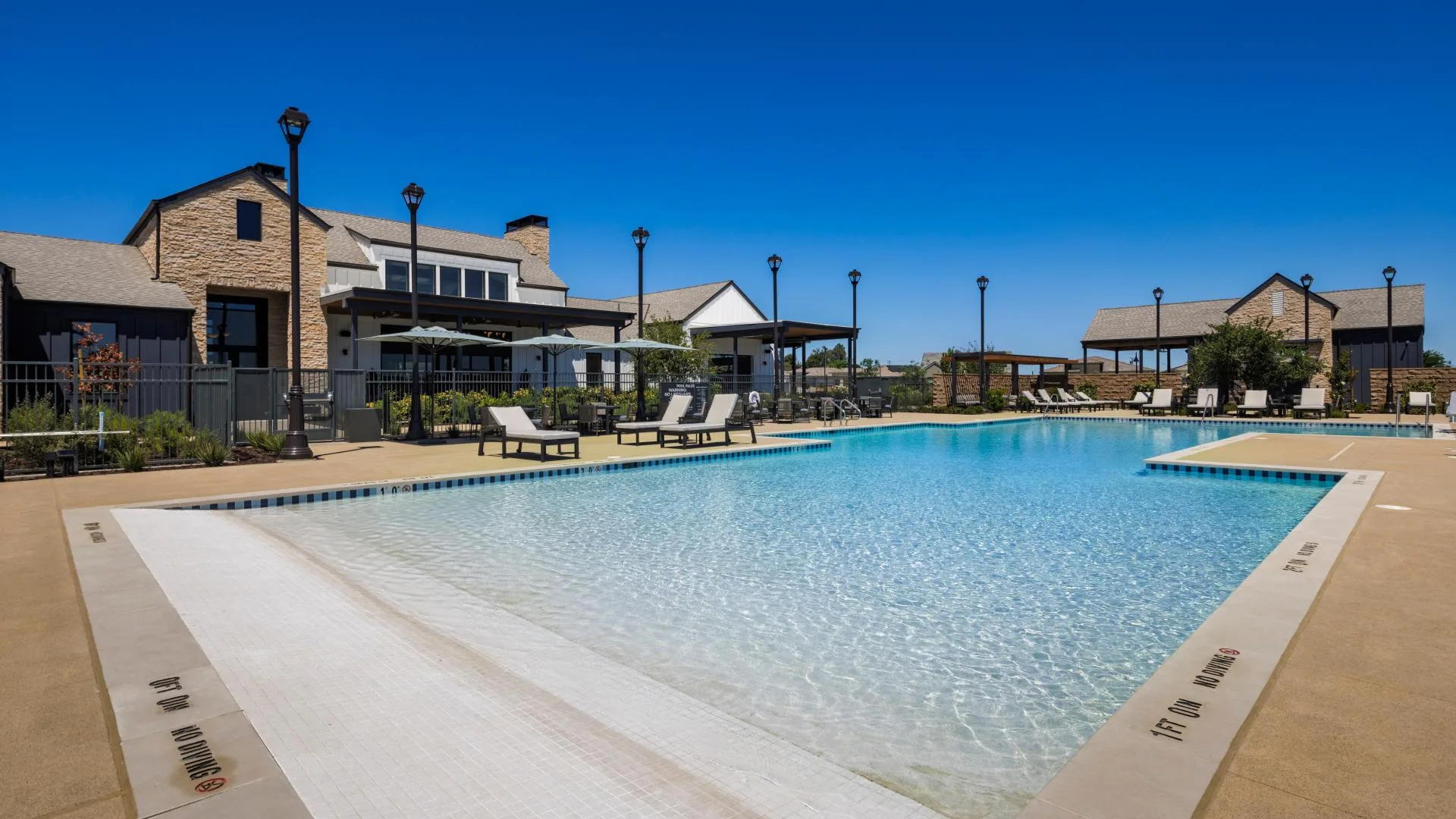
- The pool. The pool deck is the summer gathering place, and in a smaller community it is easier to know everyone there.
- A few gatherings a week. Coffee hours, a happy hour, a holiday dinner, a monthly potluck. The calendar is light, and the evenings are quiet.
Quiet retreats suit residents who want community on tap, not on blast: connection when they want it, and a calm home base the rest of the time. The trade-off is fewer organized options, so you may need to start the book club or organize the dinner rather than joining one that already exists.
The Middle Ground
Most communities sit between the two extremes. A community can have a substantial clubhouse with a real restaurant and a strong club list, and still feel quiet on a Tuesday night. Another can be modest in size yet socially very active, with a small clubhouse that is always full.
The brochure will not tell you which one you are looking at, but the activity calendar will. Ask for the actual calendar, not the marketing summary, and count the events that matter to you:
- Count the clubs you would actually join. A community with 200 clubs has maybe eight that interest you. Count those, not the total.
- Look at a typical week. How many evenings is the banquet room booked? How many gatherings happen on a normal Tuesday? That is the pace you will live with.
- Visit at your time of day. If you would use the clubhouse in the morning, visit in the morning. The crowd at 10 a.m. tells you more than the crowd at the Sunday open house.
Comparing large-scale mega-amenity hubs against smaller, boutique, low-key communities helps buyers clarify what they actually want day to day. Our comparison of Roseville's five resort-style communities and our Elk Grove three-community guide put the two cultures side by side in real communities.
Matching the Culture to Your Life
The right clubhouse matches how you actually want to live day to day, not the most impressive brochure. A couple that loves a quiet evening at home will feel out of place in a community where the clubhouse hums every night, and a resident who thrives on a full calendar will feel restless in a boutique community with two events a week.
Ask yourself the honest version of the question: on an ordinary Tuesday in five years, where do you want to be? At a clubhouse dinner with forty neighbors, or on your patio with a book? There is no wrong answer, but there is a wrong community for each answer.
If you are deciding with a partner, this is often where couples disagree, and our guide to when one spouse wants to move and the other doesn't has a section on reconciling different visions of daily life. And if you are moving in alone, the clubhouse culture you choose will shape your first 90 days, which our guide to moving in alone and building an instant community walks through in detail.
Frequently Asked Questions
What is resort-style clubhouse culture?
Resort-style clubhouse culture describes the large-scale mega-amenity hubs found at many master-planned 55+ communities: hundreds of clubs, busy banquet rooms, nightly entertainment, and an activity calendar that runs from morning to evening. These communities are built around constant social opportunity, and the clubhouse is the center of gravity. The opposite is the smaller, boutique, low-key community, where a library, a card room, a pool, and a few gatherings a week set a quieter pace.
Are all 55+ communities social?
No, and that is a good thing. Social intensity is a spectrum. Some communities run a packed calendar every single day, while others offer a relaxed pace with a handful of gatherings a week. Most communities sit between the two. The right one matches how you actually want to live day to day, not the most impressive brochure, and the only way to know is to look at the real activity calendar and count the events that matter to you.
How do I know which culture a community has?
Ask for the actual activity calendar, not the marketing summary, and count the events that matter to you. Look at a typical week: how many clubs meet, how often the banquet room is booked, whether there is nightly entertainment or a quiet evening. Then visit at the time of day you would actually use the clubhouse, and talk to residents, not just the sales team. Comparing large-scale mega-amenity hubs against smaller, boutique, low-key communities is the fastest way to clarify what you actually want day to day.
Can I be social in a quiet community?
Yes. A quiet community is not an empty community. Smaller clubhouses still run card games, book clubs, fitness classes, and holiday gatherings, and the smaller scale often means the same faces every week, which builds closeness faster. If you want connection without a packed calendar, a boutique community can deliver exactly that. The question is not whether a community is social, it is what kind of social you want.
Match the Clubhouse to the Life You Want
Gary and Rutsell have walked the clubhouses across Placer, Sacramento, and El Dorado counties, and they can tell you which communities hum and which ones whisper. Call or text Gary at 916-595-4279, Rutsell at 916-695-2800, or send a message through our contact page.
Written by The Gary Lee Team
Gary Lee, REALTOR, CA DRE #01448722, and Rutsell Fabillar Lee, REALTOR, CA DRE #02067791, are the husband-and-wife team behind NorCal55Plus.com. The Gary Lee Team operates under eXp Realty of Northern California, Inc. Gary has served Northern California real estate clients since 2004 and specializes in 55+ active-adult communities, resale homes, new construction, relocation, and downsizing. Client services are offered in English, Tagalog, and Bisaya.
Call or text Gary at 916-595-4279 or Rutsell at 916-695-2800, or send a message through our contact page. Whether you want the party or the quiet patio, we would love to help you find it.
Meet your specialists
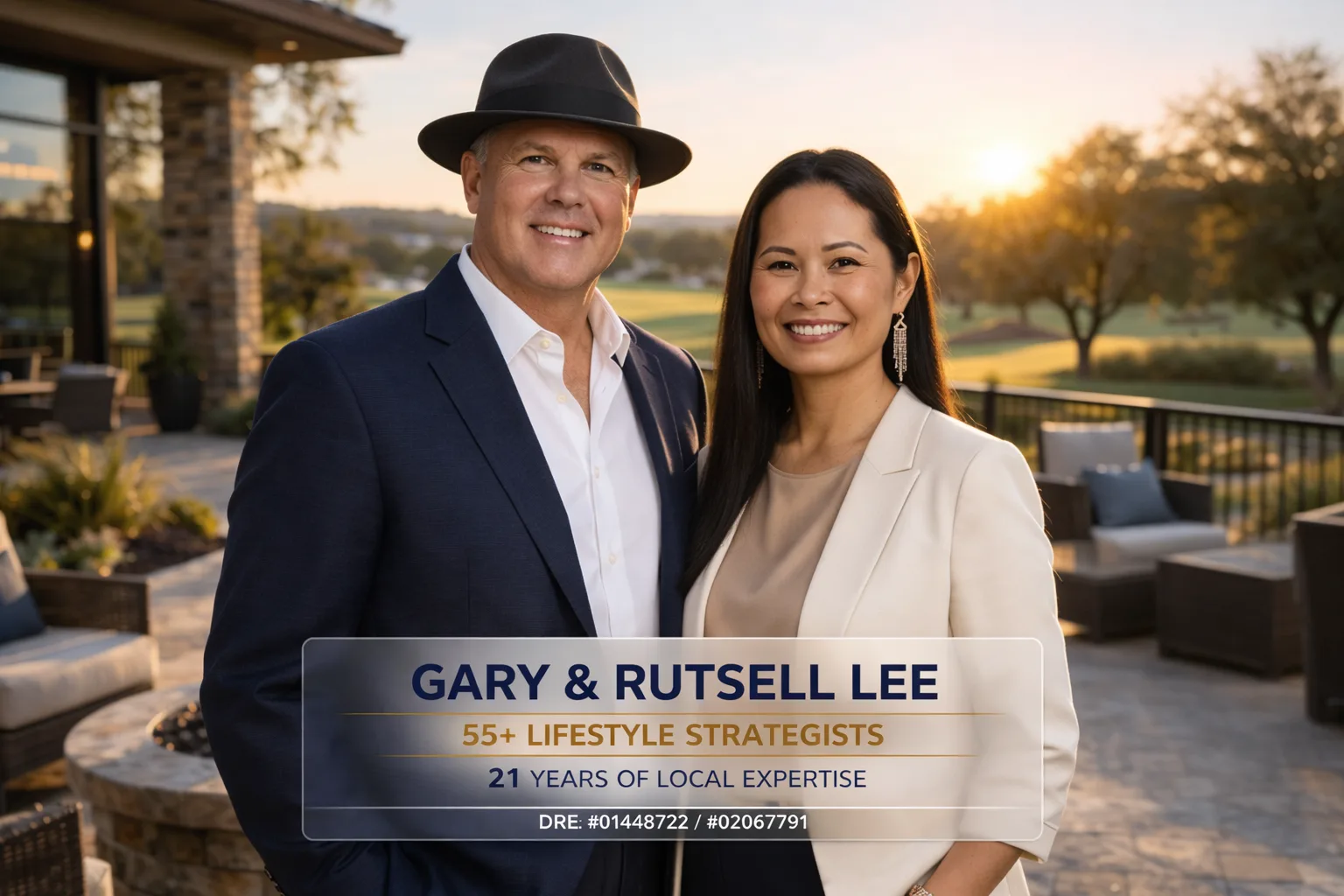
Meet Gary & Rutsell, your Northern California 55+ REALTORS
Gary Lee has been a full-time California REALTOR® since 2004. Rutsell Lee is also a California REALTOR® and co-founder of The Gary Lee Team. Together they research Northern California 55+ communities, tour homes and amenities, and help buyers and sellers compare their options throughout Greater Sacramento and Northern California.
The Gary Lee Team · eXp Realty of Northern California, Inc.