Faith & Life's Next Chapter
It Is Not Good to Be Alone: Finding Friendship, Fellowship and Purpose in Life's Next Chapter
The quiet that follows the last day of work can be a gift, or it can slowly become loneliness. This reflection from the Faith & Life's Next Chapter series looks at why we were made for connection, where solitude ends and isolation begins, and the small steps that can lead back to fellowship and purpose.
Written by Rutsell Lee
Last verified:
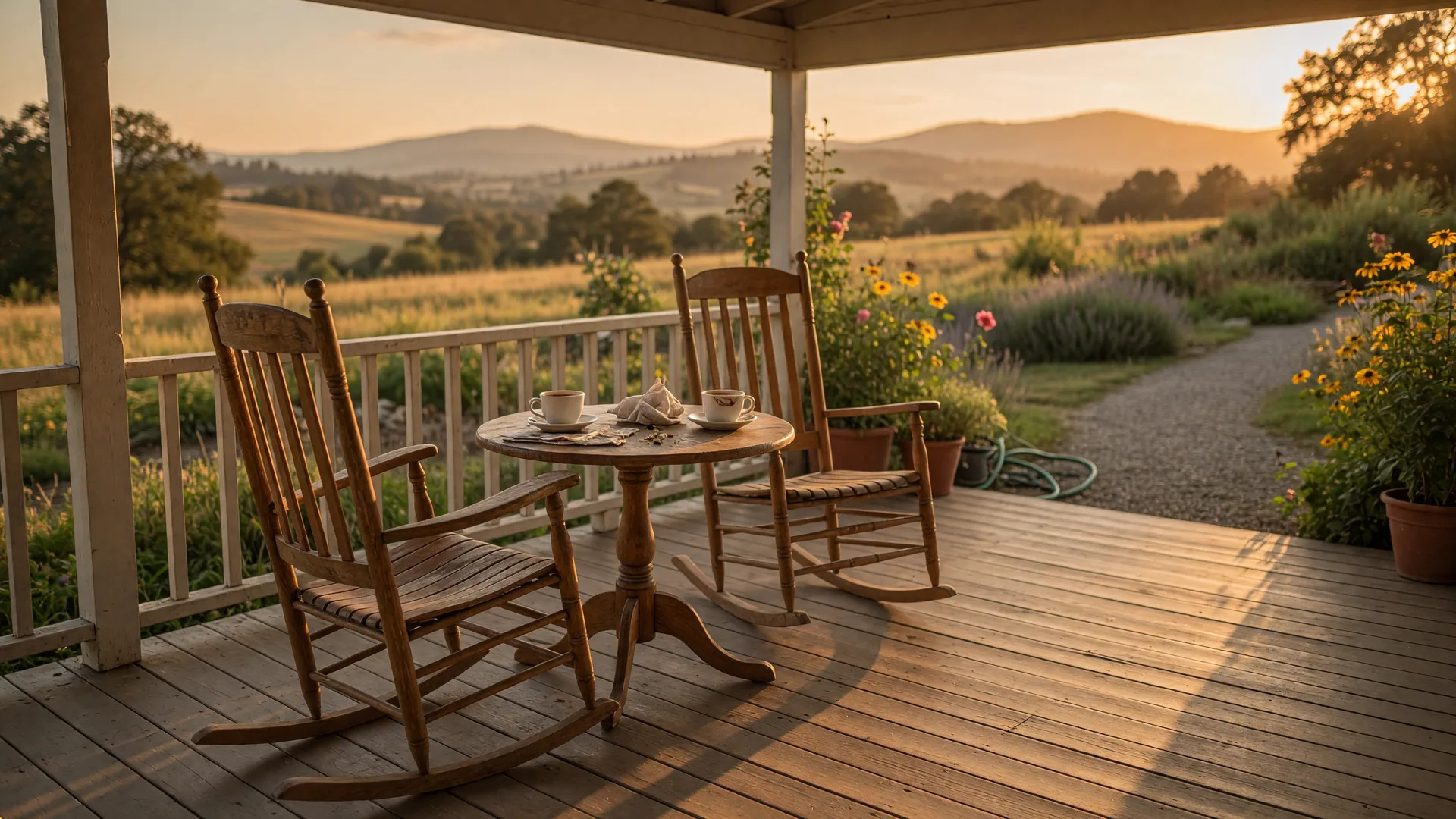
Retirement changes more than a work schedule, and the change is often quieter than anyone warns us about. This post looks at the difference between healthy solitude and harmful isolation, why God created us for relationship, and the small steps that lead back to fellowship and purpose in life's next chapter.
Retirement Changes More Than a Work Schedule
For decades, work gave you a reason to leave the house and people who expected to see you. The morning greetings, the coffee runs, the shared jokes, the colleague who always asked how your weekend went: those daily conversations were a kind of fellowship you may not have named until they were gone. Workplace friendships and familiar routines disappear at the same moment the paycheck does.
Retirement can also take the structure that quietly held a week together: the commute, the lunch hour, the errands that had a purpose. None of this means retirement was a mistake. It simply means the connections that used to find you by themselves now have to be looked for. That is often the season when people begin to wonder what comes next, whether that means a new neighborhood, a new hobby, or a new group of people to share it with.
God Created Us for Connection
The opening pages of Scripture make a striking observation about the human need for others. After creating man, God looked at the situation and said:
“It is not good that the man should be alone.”
This verse originally addresses companionship and marriage, so we should not stretch it beyond that context. But it establishes an important principle: God created people for relationships, not permanent isolation.
“Two are better than one… For if they fall, the one will lift up his fellow.”
This may be the strongest passage for this message. Community means having someone who notices, encourages and helps when life becomes difficult.
Being Alone Is Not Always Loneliness
Before we talk about isolation, it is worth saying clearly: the Bible does not say that being alone is poison. In fact, Jesus sometimes withdrew from people to pray, as Luke 5:16 describes. He sought the Father in quiet places, and He returned from that quietness ready to serve. Healthy solitude and harmful isolation are not the same thing.
Three lines are worth keeping in view:
Solitude can provide rest, reflection and prayer.
It is chosen, and it restores. Time alone with God can be one of the healthiest habits of this season.
Isolation can cause someone to withdraw from friendship, fellowship and purpose.
It is gradual, and it shrinks a life one day at a time, often without anyone noticing at first.
Social activity becomes godly when it includes encouragement, kindness, service and genuine connection.
The aim of gathering is not to fill a calendar. It is to build one another up.
The goal is not to be busy every hour of every day. The goal is to stay connected enough that solitude remains rest rather than slowly becoming emptiness.
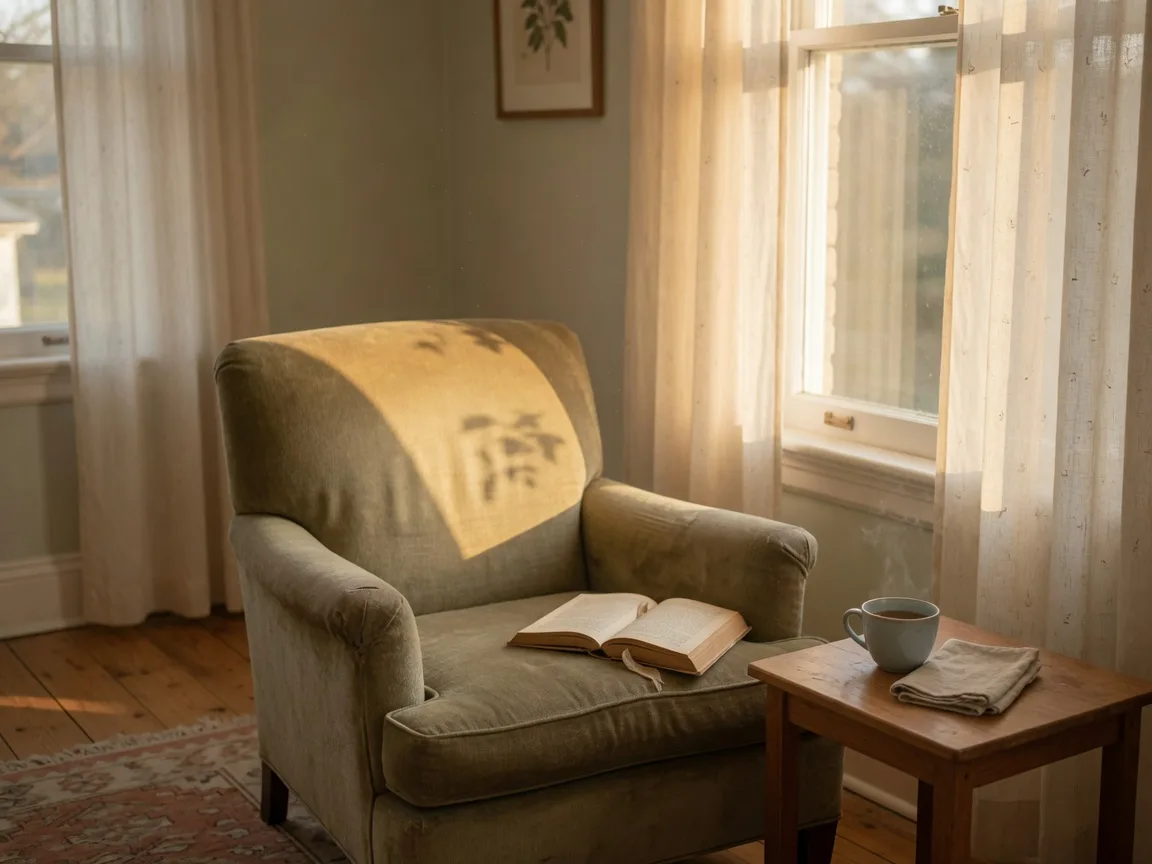
When Solitude Becomes Isolation
For many people in the second half of life, isolation does not announce itself. It arrives through events that are hard enough on their own: the loss of a spouse, a move away from a familiar neighborhood, health changes that make going out harder, adult children who now live far away, and the gradual withdrawal that can follow any of these.
Gradual withdrawal is the quiet one. The habit of saying no to invitations. The growing sense that it is easier to stay home. The phone that rings a little less because you called a little less. Before long, solitude stops being a choice and starts being a pattern.
None of this is a personal failure. It is simply what can happen when the anchors of connection, a spouse, a neighborhood, health, proximity to family, are pulled up one at a time. The honest question is not whether it happened, but what happens next.
Fellowship Gives Life Renewed Purpose
The writer of Hebrews ties faith itself to gathering:
“Let us consider one another… not forsaking the assembling of ourselves together.”
Faith is not designed to be practiced completely alone. Gathering allows people to encourage one another.
Fellowship does not require a grand program. It shows up in ordinary places: a church you join, a Bible study you attend, a neighborhood group that meets for coffee, a walking club, a community garden, a volunteer shift, or simply being the neighbor who welcomes the new person on the street. Each one is a small doorway back into belonging.
And here is the honest truth about 55+ communities, from Gary and Rutsell after walking through clubhouses across Northern California for over two decades: moving into one does not automatically cure loneliness. Whether you are exploring the scenic trail network at Sun City Lincoln Hills, joining a morning coffee social at Sun City Roseville, or enjoying an afternoon swim at Four Seasons at The Ranch in Rancho Cordova, a clubhouse cannot manufacture friendships. It opens the door. But having warm, like-minded neighbors right outside your front porch creates the everyday opportunities to connect that traditional subdivisions often lack.
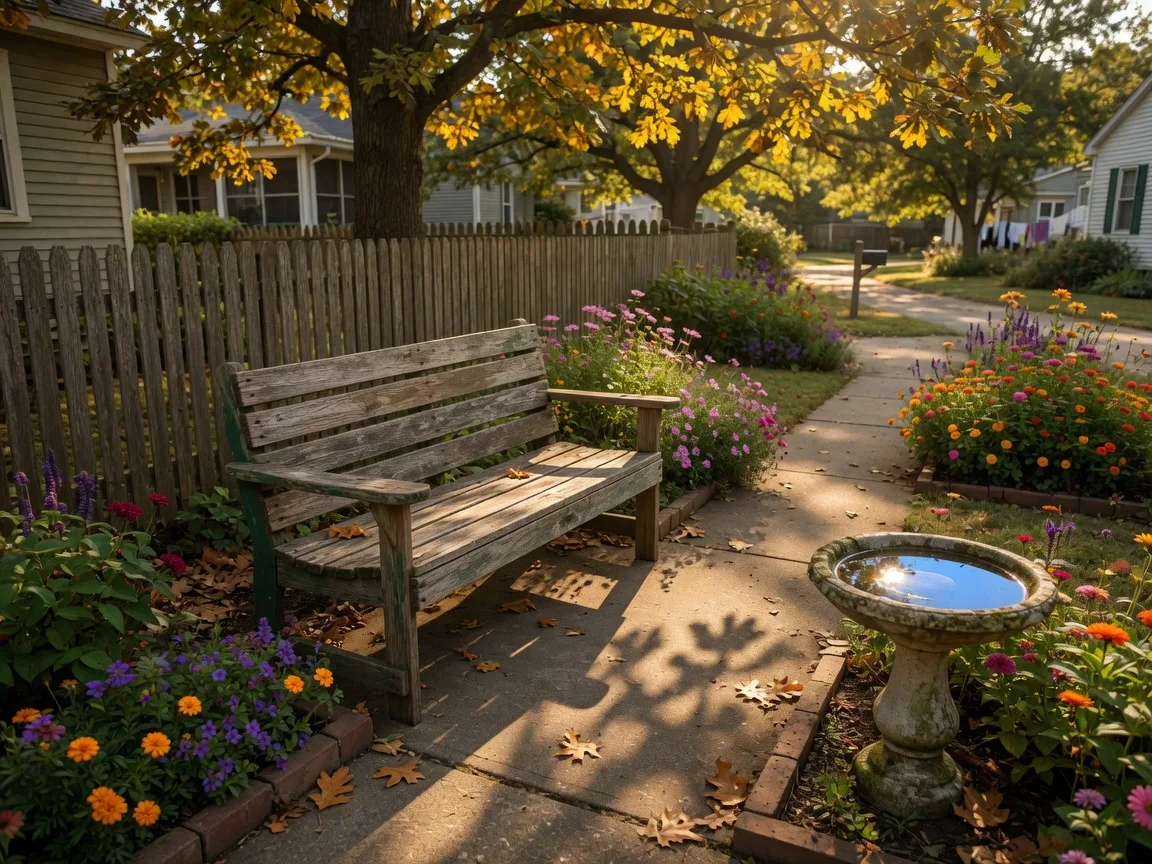
A New Community Can Become a New Ministry: Why 55+ Living Offers Fellowship After Loss
Moving into an active-adult community after losing a spouse or retiring isn't about giving up your memories—it is about surrounding yourself with a community of peers who look out for one another. It offers single-story low-maintenance living, built-in social activities, and opportunities to share your wisdom and mentorship with new neighbors.
The psalmist wrote:
“God setteth the solitary in families.”
This is especially meaningful for people who have lost a spouse, moved away from family, or entered a new season of life.
God's answer to solitude has often been a family: a household, a people, a place of belonging. A new community, including the community you choose in retirement, can become exactly that kind of family. The neighbors you have not met yet may be the people God uses to answer the psalmist's promise in your own life.
Someone may also discover that retirement is not the end of usefulness. It may provide more time to encourage, serve and mentor others: the younger neighbor learning the ropes, the new resident who does not know anyone yet, the person a few years behind you in the journey. A new community can become a new ministry, a place where your experience finally has room to be shared and your wisdom finally has people to receive it.
Small Steps Toward Connection
None of this requires a grand resolution. Paul's instruction to the Galatians is short and practical:
“Bear ye one another's burdens.”
Godly community is more than staying busy. It means helping, listening, serving and allowing others to help us.
“Comfort yourselves together, and edify one another.”
The purpose of fellowship is to encourage and build one another up.
That encouragement happens through small steps, and small is exactly the right size:
- Attend one gathering.
- Introduce yourself to one neighbor.
- Join one group.
- Invite someone for coffee.
Start with one. One gathering, one neighbor, one group, one coffee invitation. That is enough to begin.
Frequently asked questions
What is the first step when downsizing after the loss of a spouse?
Give yourself grace first. Do not rush into legal decisions or put the home on the market before you are ready, and it is worth consulting a CPA about the tax basis of the property. Tour neighborhoods with an experienced 55+ transition specialist at your side before taking the next step.
Does moving into a 55+ community automatically cure loneliness?
No. A 55+ community creates far more opportunities to become connected, but a clubhouse cannot manufacture friendships. It can open the door, and someone still has to walk through it: attend one gathering, introduce yourself to one neighbor, join one group.
How can someone find purpose again after losing a spouse or retiring?
Purpose often returns through small, consistent steps toward others: service, encouragement and mentoring give experience a place to be shared. A new community, including a retirement community, can become exactly that kind of family, a place of belonging, fellowship and renewed purpose.
Practical Questions on Faith, Solitude, and Starting Over
Is moving to a 55+ community a good idea after losing a spouse?
For many surviving spouses, moving to an active-adult community provides an ideal balance: single-story, low-maintenance living that eliminates yard work and maintenance worries, paired with built-in social groups, walking clubs, and peer fellowship right outside your door.
How can Gary and Rutsell assist when selling a longtime family home?
We serve as a complete bridge between chapters. Gary and Rutsell manage the listing and marketing of your existing residence with dignity and patience, while helping you locate and negotiate the purchase of your next home in a community tailored to your lifestyle and budget.
Can I keep my low property tax base if I downsize in Northern California?
Yes. Under California Proposition 19, homeowners aged 55 and older can transfer their existing taxable property base to a replacement home anywhere in California up to three times, keeping monthly living costs predictable.
A Closing Word
God did not bring us into this season merely to sit on the sidelines. Life may look different after retirement, relocation or loss, but our need for fellowship remains. Sometimes the first step toward a healthier and more purposeful life is simply opening the door, joining the conversation and allowing someone new to become part of our story.
This article is general in nature and provided for informational purposes only; it is not legal, tax, or financial advice, and it is not a substitute for your own pastoral or professional counsel.
More from the faith series
Quiet, prayerful companion pieces for this season of life, written for the NorCal55Plus Faith & Life's Next Chapter series.
Taking Your Next Step
God's purpose for your life does not end with retirement, relocation, or loss. There is still fellowship to enjoy, wisdom to share, and meaningful community waiting ahead.
When you feel ready to explore what comes next, Gary and Rutsell Lee would be honored to sit down over a cup of coffee. We will listen to what you need, answer your real estate questions honestly, and help you find the place where your next chapter can thrive.
Call or text Gary and Rutsell at 916-595-4279 or reach out through our contact page . Take all the time you need—we are here whenever you are ready.

Written by Rutsell Lee
California DRE #02067791
Rutsell Fabillar Lee is co-founder of The Gary Lee Team and a California REALTOR with eXp Realty of Northern California, Inc. She writes the Faith & Life's Next Chapter series as companion pieces for the emotional side of this season, and she works alongside Gary Lee helping buyers and sellers throughout Northern California with a focus on the personal side of moving, downsizing, relocation, and 55+ living.
More about Rutsell