
Community Spotlights · HOA Dues & Golf
Are Golf Fees Included in 55+ HOA Dues? A NorCal Guide
A plain-language, community-by-community answer for buyers comparing golf access across Placer, Sacramento, and El Dorado counties, written by independent 55+ specialist Gary Lee.
Last reviewed: September 24, 2026 · Facts verified per community
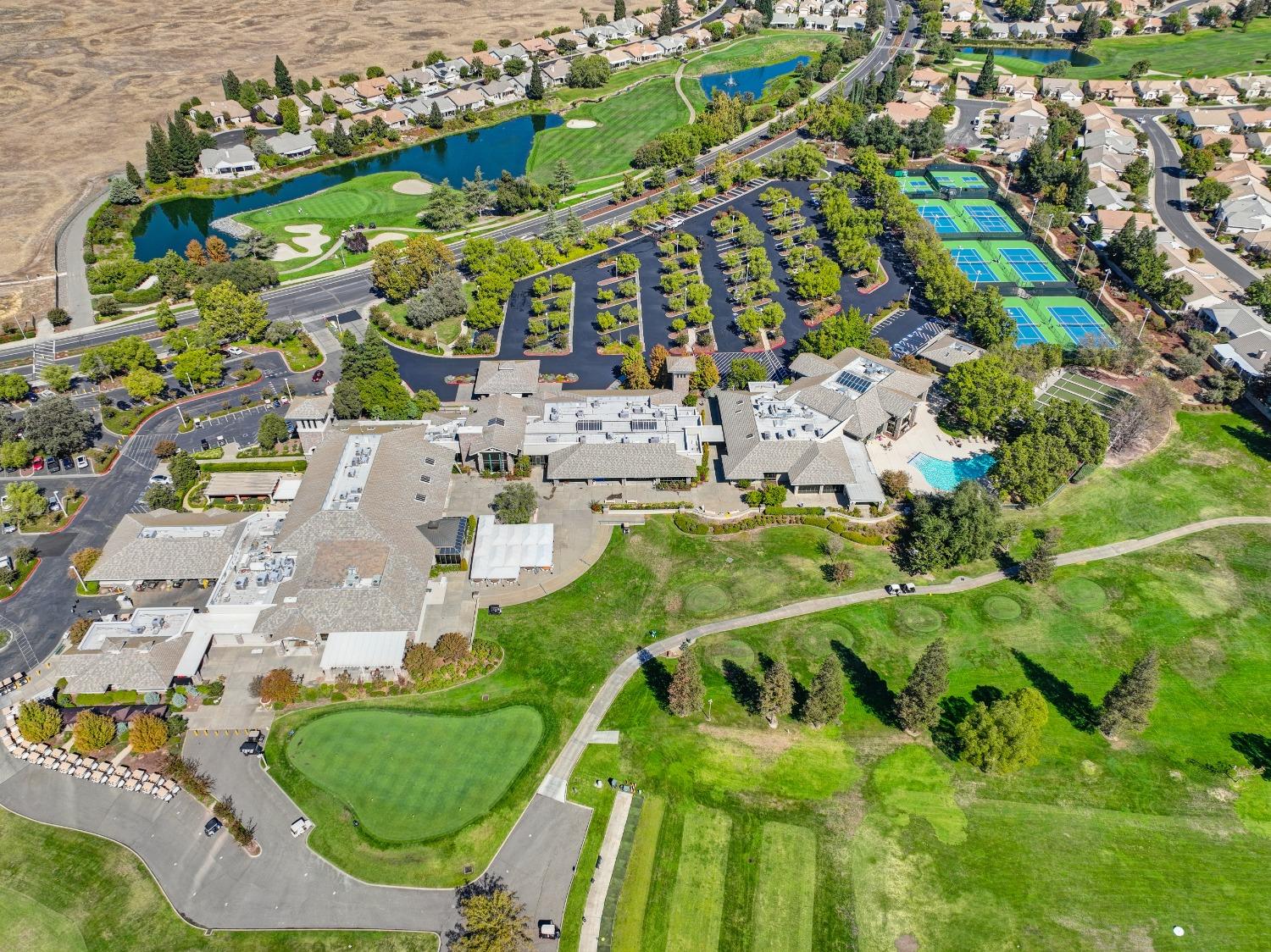
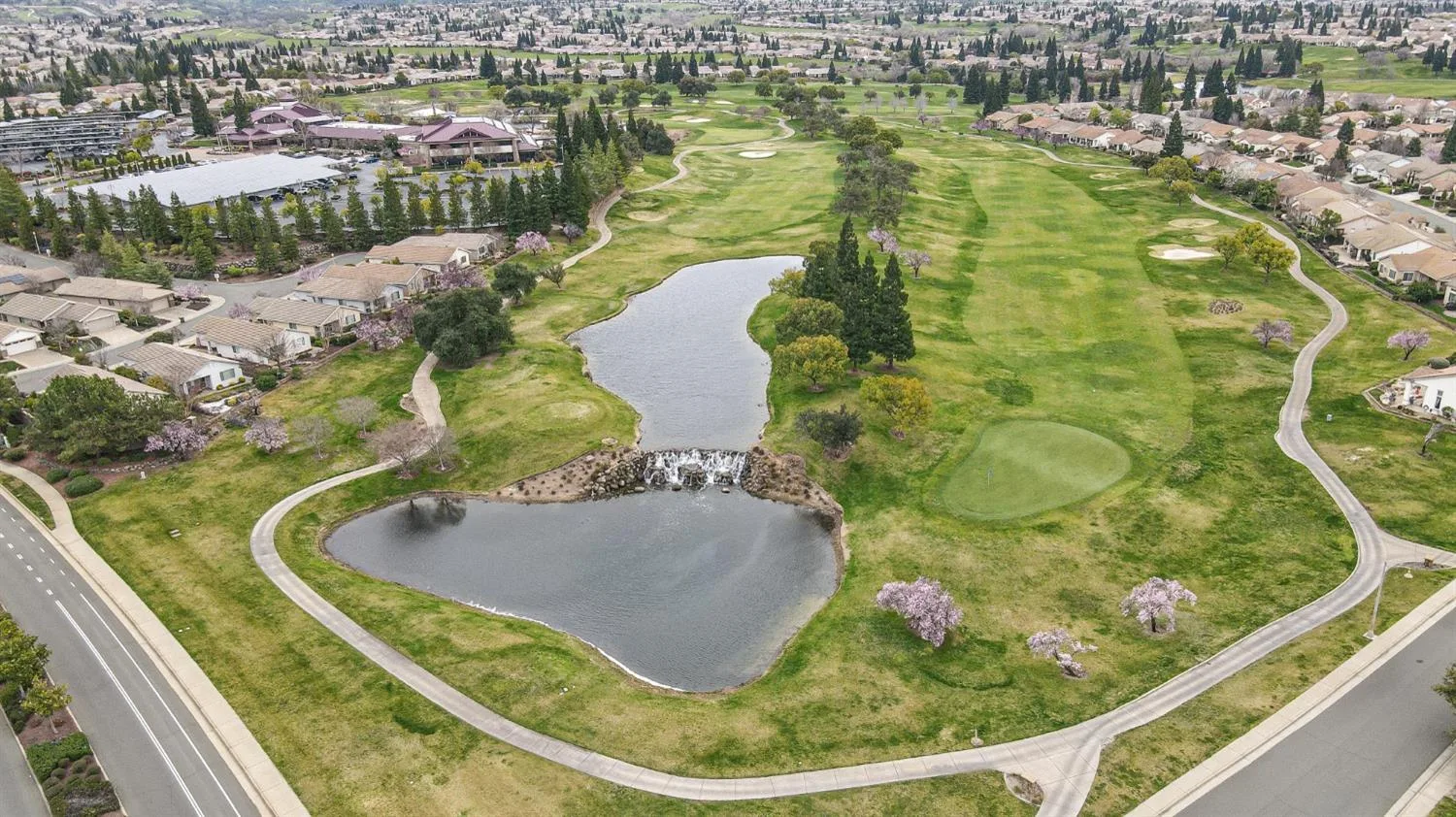
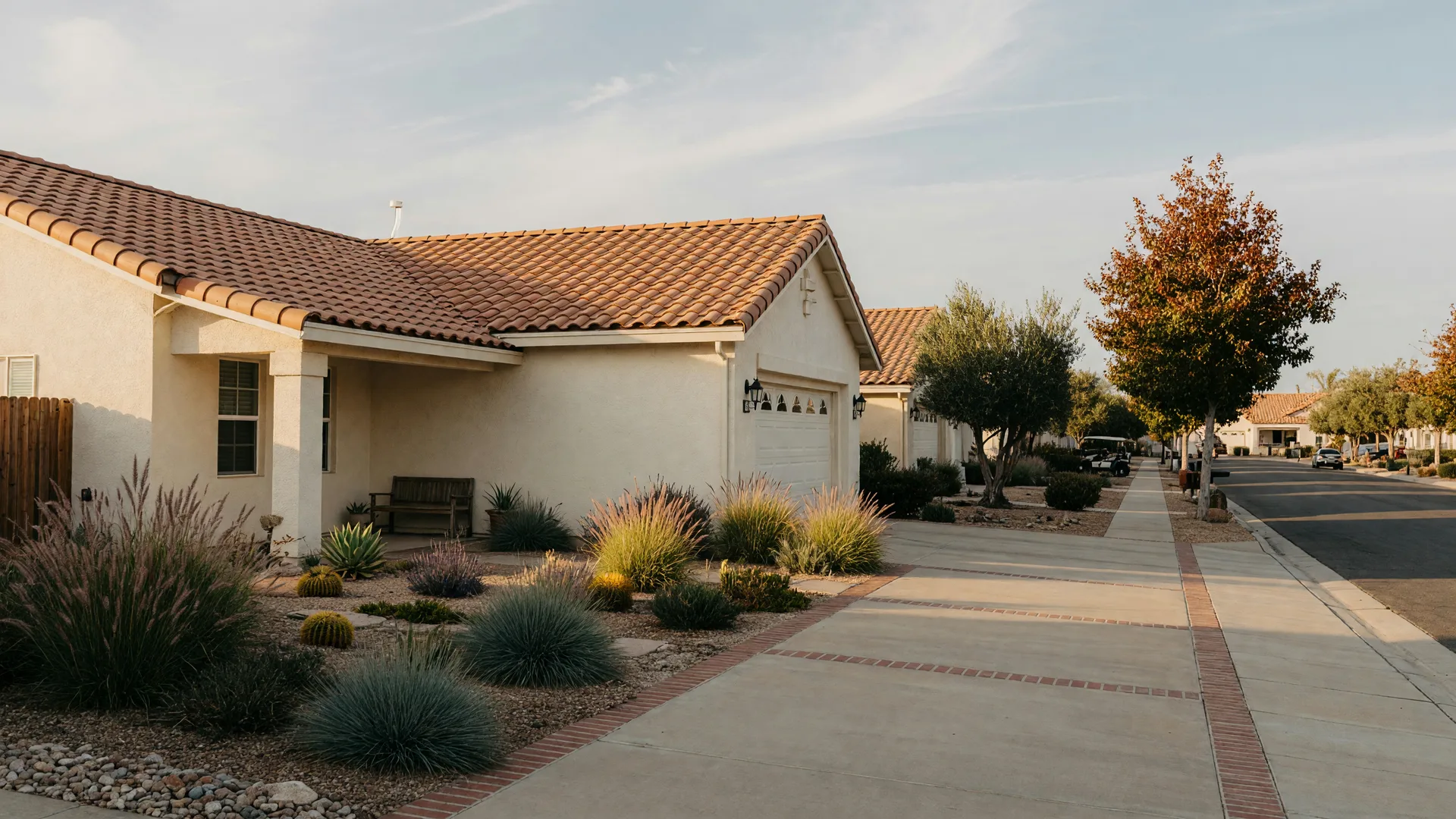
Golf at a Northern California 55+ Community · Click for full size
Last verified:
In most Northern California 55+ communities, golf play is not included in the standard monthly HOA dues: residents typically pay separate green fees or golf memberships on top of their assessment. But each community's ownership and access structure is different, and the honest answer depends on the specific community you are considering. That is the short version, and it is the version that protects you from assuming one community's setup applies to its neighbor.
The question sounds simple enough, but "does the HOA cover golf?" hides three different realities under one roof. At Sun City Roseville, the homeowners association itself owns and operates the golf courses, and golf revenue flows back into the association's budget, yet play is still billed separately from the monthly assessment. At Sun City Lincoln Hills, the golf club is privately owned and operated by a separate golf entity, fully outside the association's amenities and budget. At Heritage El Dorado Hills, there is no golf course inside the community at all; the private club nearby is a separate, optional purchase. Same question, three materially different answers, and that is exactly why the honest response to "is golf in the HOA dues?" is always "which community?"
This guide is scoped the same way our other community articles are scoped: every named fact below is shown next to its source and the date we checked it (September 24, 2026), and where we have not verified something, including current dollar rates, we say so rather than guessing. Golf is a major lifestyle factor in many 55+ moves, and it deserves a straight answer, one community at a time.
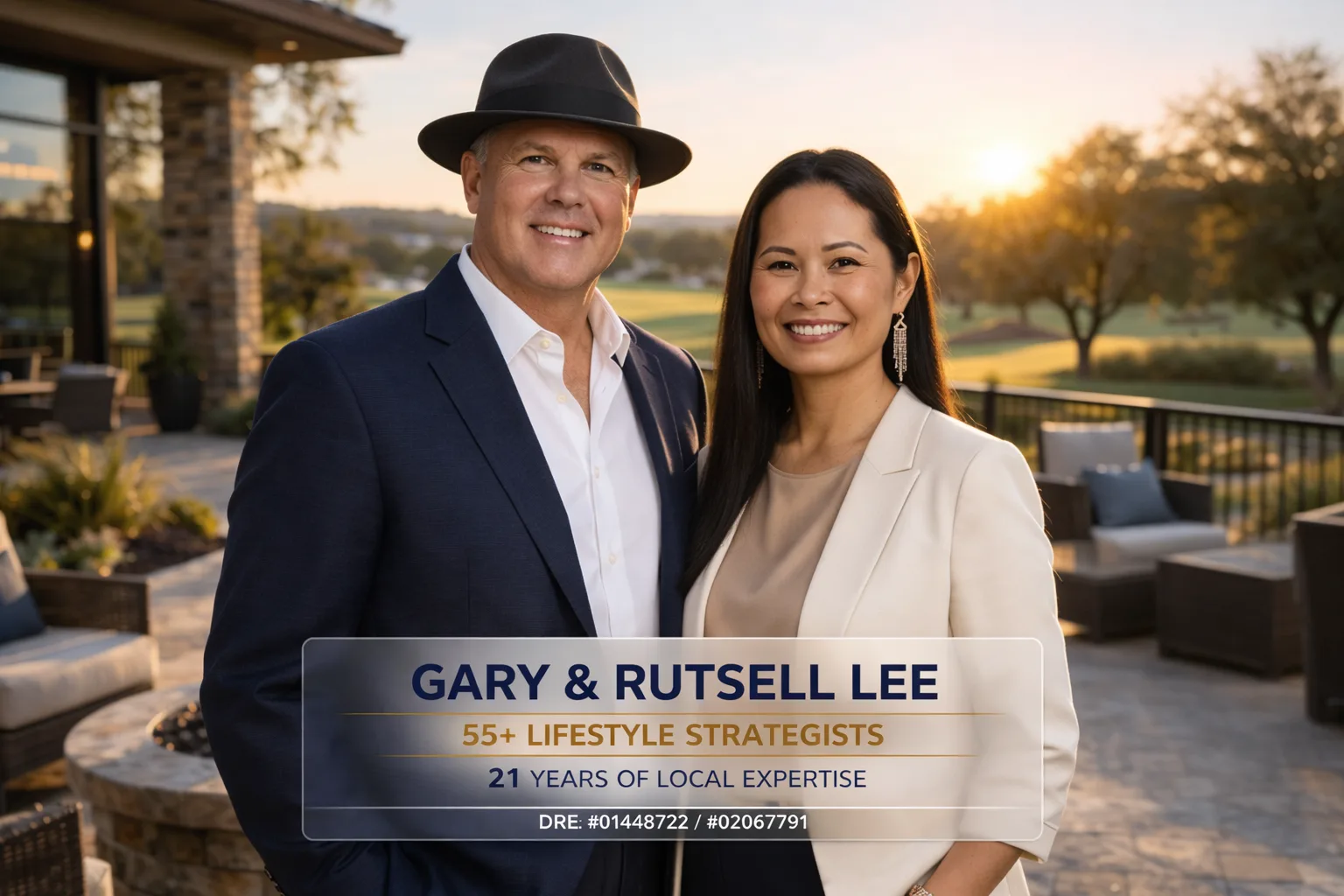
Meet your specialists
Meet Gary & Rutsell, your Northern California 55+ REALTORS
Gary Lee has been a full-time California REALTOR® since 2004. Rutsell Lee is also a California REALTOR® and co-founder of The Gary Lee Team. Together they research Northern California 55+ communities, tour homes and amenities, and help buyers and sellers compare their options throughout Greater Sacramento and Northern California.
The Gary Lee Team · eXp Realty of Northern California, Inc.
Understanding the difference: HOA dues, golf memberships, green fees, and teeing privileges
A big part of the confusion is vocabulary. Buyers hear "the HOA includes golf" at one community and "golf is extra" at another and conclude the communities are opposites, when in fact they are often describing the same structure in different words. Four terms do most of the work:
HOA dues (the monthly assessment)
The recurring sum every owner pays to the community association. At a 55+ resort-style community it generally covers the shared clubhouse, fitness center, pools, common grounds, landscaping, administration, and reserves for future repairs. What it does not cover, in most communities, is golf play.
Golf memberships and passes
A recurring or annual purchase from the golf operation that grants access to the courses and, depending on the tier, extras like tee-time priority, practice facilities, and guest privileges. This is the product most communities sell to their own residents, and it is separate from the HOA assessment.
Green fees
The per-round fee paid by players who do not hold a membership or pass. Many communities price resident green fees lower than what the public pays, which is one of the resident benefits to confirm in writing.
Teeing privileges
The right to book tee times and actually play, often bundled into a membership or a resident pass rather than sold separately. When a sales representative says a community "has golf privileges," the practical question is still the same: what does that privilege cost, per round or per year, and who operates the course?
The reason this distinction matters is the nuance behind the simple answer. "The HOA doesn't cover golf" is technically true in most communities, but it is too simple in at least one important direction: at Sun City Roseville, the association owns and operates the courses and collects the operating revenue, so the relationship between your dues and the golf operation is real even though your dues do not buy you a round. At other communities the course is a completely separate business and the only connection is that it happens to sit inside the gates.

And one honest caution tied to our own rules: we are not publishing current dollar rates in this guide. Rates change, they are set by each club and association rather than by one regional standard, and a figure that is accurate today can quietly be replaced next season. The only reliable way to budget is to ask the specific community, in writing, for today's dues, today's assessments, and today's pass and green-fee pricing, and to get the answer dated.
Key Takeaways
- In most Northern California 55+ communities, golf play is not included in the standard monthly HOA dues. Residents typically pay separate green fees or golf memberships on top of their assessment.
- There is no one answer across the region. The question is always community-specific: some associations own their courses, some communities host a separately owned club, and some have no course on site at all.
- HOA dues, golf memberships and passes, green fees, and teeing privileges are different things. Dues fund shared clubhouse, fitness, pool, common ground, and administrative costs; golf is nearly always priced separately.
- At Sun City Roseville, the homeowners association owns and operates the golf courses, and golf is billed separately from the assessment. At Sun City Lincoln Hills, the golf club is privately owned and not part of the association amenities. Heritage El Dorado Hills has no course inside the community; golf nearby is a separate private club.
- We do not publish current dollar rates here because rates change and are set by each club and association. Confirm current dues, assessments, pass options, and who operates the course directly with the community before you plan around a figure.
Every named fact below is dated with its source and was checked on September 24, 2026. Last reviewed: September 24, 2026. Ownership, operators, fees, and access programs change, so the version that applies on your moving day is the current one, confirmed in writing with the community.
The community-by-community breakdown
Here is what we have verified for the communities most often asked about, with each fact next to its source and check date. Where we have not verified something, we say that too, and we tell you how to confirm it. The three communities named below are the ones in our coverage area where golf comes up most often, and all three work differently.
Sun City Roseville (Placer County)
The Sun City Roseville Community Association owns and operates the community golf facilities: the 18-hole Timber Creek course, the 9-hole Sierra Pines course, the driving range, and the pro shop. Golf play is billed separately from the monthly assessment; residents can purchase golf passes for the courses, and the courses are also open to the public. The association reports that roughly 45% of its annual revenue comes from non-assessment operating sources such as golf, with about 55% from homeowner assessments, so golf revenue flows into the association budget and helps defray member assessments.
Sun City Roseville Community Association: FAQ, Financials, and Golf pages Checked September 24, 2026
Sun City Lincoln Hills (Placer County)
The two 18-hole golf courses, The Hills and The Orchard, operate together as Lincoln Hills Golf Club, and the club is privately owned and operated by a separate golf ownership and management entity, not the homeowners association. The association states plainly that the golf club is privately owned and is not part of the association amenities, which means the standard HOA assessment does not fund golf play. Residents can buy a resident membership at the club (the club listed a resident membership at $219 for its 2025 product page; we did not verify the billing period or what it includes, so confirm what current pricing covers), and the courses also welcome non-resident play with separate rates.
Sun City Lincoln Hills Community Association, Golf page; Lincoln Hills Golf Club official site Checked September 24, 2026
Heritage El Dorado Hills (El Dorado County)
Heritage El Dorado Hills has no golf course inside the community. Its published amenities center on clubhouses, pools, fitness, tennis and pickleball courts, and walking trails. The golf most often mentioned alongside Heritage, Serrano Country Club, sits in the adjacent and separate Serrano community; it is a private members club whose membership is optional, separate from any HOA fees, and billed independently of the community.
Serrano Country Club Membership page; published Heritage community amenity descriptions Checked September 24, 2026
Not verified here: we have not verified a current dollar amount for monthly HOA dues, special assessments, or golf pass pricing at any of these communities for this update, and we will not print a number we did not pull from a dated source and check ourselves. Before relying on any rate, request the current fee schedule from the association or the golf operation in writing, and get the date it was last updated.
What about the other communities the site covers?
Most of the resort-style communities in our coverage do not include a course inside their gates, and where golf is nearby it is generally a separate facility under separate ownership. Two verified examples: Four Seasons at The Ranch in Rancho Cordova has no on-site golf course, and the public courses nearby are independently operated, separate from the community. Del Webb at River Islands in Lathrop likewise has no course in its amenity package; its Lakeview Club centers on pools, fitness, courts, and lakefront recreation, with golf available at separate off-site courses. For any community not named here, the pattern to confirm is the same one we use: does a course exist on site, who owns and operates it, and does any part of the monthly dues flow into it?
The fuller guides on this site are a good next stop for each community: Sun City Lincoln Hills: Pros and Cons , Sun City Roseville: Pros and Cons , the head-to-head comparison of the two Sun Cities , and the comparison that walks through Heritage El Dorado Hills .
Who gets to play, and how residents actually enjoy the round
Ownership is only half the story. The other half is access: who can book a tee time, what the resident gets that the public does not, and how the golf operation and the association talk to each other. In both Sun Cities, the pattern is a resident pass or membership sold by the golf operation itself. At Sun City Roseville, residents can purchase golf passes covering Timber Creek and Sierra Pines, and the courses are also open to the public, with the golf operator publishing its own rate sheet. At Sun City Lincoln Hills, the club offers a resident membership limited to Sun City residents, and it also books non-resident play at separate rates.
What the resident pass typically buys is the practical kind of benefit: recurring access and, depending on the product, tee-time priority and practice facilities. What it does not buy, at either Sun City, is a waiver of the monthly assessment. The dues and the golf product are two separate bills, which is the clean way to understand the whole region: the assessment keeps the community running, and the golf pass buys the round.
There is a social layer on top of the money, and for many buyers it is the more important one. At both Sun Cities, golf is a genuine slice of the community calendar: leagues, club events, and regular foursomes that turn a round into a standing appointment with neighbors. A resident who does not play golf is not financing someone else's fairways at Lincoln Hills, where the club is entirely separate, and at Sun City Roseville the association's golf operation contributes revenue to the association budget, a financial relationship every owner shares in, golfer or not.

For buyers who plan to play several times a week, this social layer is often the deciding factor between two otherwise similar communities, which is exactly why the access question deserves to be asked in writing, not remembered from a tour. The tour shows you the fairways; the fee schedule tells you what Friday tee time costs.
The buyers' value question: how to compare golf across communities
Golf access can be a major lifestyle factor, and it can also be a budget factor, so the right way to compare communities is not to ask "does the HOA include golf?" It is to ask each community directly for the current dues, current assessments, golf pass options, and who operates the course, and to put the answers side by side in writing. That simple frame turns a vague brochure claim into a real comparison.
We are deliberately not telling you that non-golfers "save money" in one community or another, because that claim requires a documented fee comparison we do not have. What we can tell you is structural: at Sun City Roseville the golf operation contributes revenue to the association budget, at Sun City Lincoln Hills the club is financially separate from the association, and at Heritage El Dorado Hills there is no course to fund at all. Those structures affect the monthly picture differently, and the honest way to size up the difference is with current numbers in hand.
These are the questions to put to any community you are seriously comparing:
-
What exactly does the monthly HOA assessment cover, and does the amenity list include golf?
-
Does the community have a course on site, and who owns and operates it: the association, a separate management company, or a private club?
-
What golf pass, membership, or prepaid options are available to residents, and what do they include: rounds, cart, practice facilities, tee-time priority?
-
Are there separate green fees for residents who do not buy a pass, and does the course serve non-residents too?
-
Are there special assessments, one-time fees, or dues increases planned that could change the monthly picture?
-
If I do not golf, do any of my dues still pay for golf operations, and if so, what is the current figure behind that?
-
How do the community’s rules treat golf cart use and neighborhood electric vehicle (NEV) lanes on and off the course?
We can help you ask them well. When we tour a community with a buyer, we pull the fee schedule and the list of who operates what, and we put the same questions to each community so the answers line up side by side. The result is a comparison you can actually use, instead of three different brochures using three different vocabularies.
The short answers buyers ask us most
The quick versions of the questions we hear in appointments, with the same caveat each time: the specific community's current documents and fee schedule rule, and we will help you read them.
Are golf memberships included in HOA dues at Northern California 55+ communities?
In most communities, no: golf play is not part of the standard monthly HOA dues, and residents pay separate green fees or golf memberships. But the structure differs by community, so the honest answer is community-specific. At Sun City Roseville the association owns the courses and bills play separately; at Sun City Lincoln Hills the club is privately owned and outside the association budget; at Heritage El Dorado Hills there is no course inside the community. Always confirm the current setup, in writing, with the community you are considering.
Who owns and operates the golf courses at Sun City Roseville?
The Sun City Roseville Community Association owns and operates the golf facilities, including Timber Creek and Sierra Pines, and golf revenue flows into the association budget. Even so, golf play is billed separately from the monthly assessment: residents purchase passes or memberships, and the courses are also open to the public. Current rates, pass options, and any resident programs should be confirmed with the golf operation, which publishes its own pricing.
Who owns the golf courses at Sun City Lincoln Hills?
The two courses at Lincoln Hills Golf Club are privately owned and operated by a separate golf entity, not by the Sun City Lincoln Hills Community Association. The association states that the club is privately owned and is not part of the association amenities, so the standard HOA assessment does not fund golf. Residents can buy a resident membership, and the club also serves non-residents. Confirm the current operator and price with the club.
Does Heritage El Dorado Hills have a golf course?
No course sits inside Heritage El Dorado Hills; its amenities are clubhouses, pools, fitness, tennis and pickleball courts, and trails. Golf near Heritage generally means Serrano Country Club in the adjacent Serrano community, a separate private club. A Serrano membership is optional and billed separately from any community HOA fees, so it is a club cost, not a community cost.
Go deeper on the communities and the costs
- Sun City Lincoln Hills: Pros and Cons The community guide for the two-course community named throughout this post.
- Sun City Roseville: Pros and Cons The community guide for the association-owned golf community.
- Sun City Roseville vs. Sun City Lincoln Hills Why the two Del Webb communities differ on golf, lodges, and monthly costs.
- The True Cost of 55+ Community Living Near Sacramento The full monthly stack, one-time fees, and what the HOA does and does not cover.
- Regency at Folsom Ranch vs. Heritage El Dorado Hills The comparison that walks through Heritage's amenities and its El Dorado Hills setting.
- Roseville's Five Resort-Style 55+ Communities Compared Which Placer County community fits your next chapter, golf included.
Compare the Golf Question Community by Community
Whether you are comparing Sun City Roseville and Sun City Lincoln Hills, checking Heritage El Dorado Hills against a community without a course, or just trying to read a fee schedule, Gary and Rutsell will pull the current documents and fee schedules with you and level the comparison.
Call or text Gary at 916-595-4279 · Rutsell at 916-695-2800, or send a message through our contact page.
Independent 55+ community specialists, no builder affiliation. The Gary Lee Team · eXp Realty of Northern California, Inc. · CA DRE #01448722 / #02067791
Sources and Official References
Every named fact in this guide traces to a dated source, and everything below was checked on September 24, 2026. Ownership, operators, and fee structures change, so the version that applies to your purchase is the current one, confirmed in writing with the community and the golf operation.
- Sun City Roseville Community Association, FAQ Association-owned golf and how the community operates its courses. Checked September 24, 2026.
- Sun City Roseville Community Association, Financials Association revenue mix: roughly 45% operating sources such as golf versus 55% homeowner assessments. Checked September 24, 2026.
- Sun City Roseville Community Association, Golf Timber Creek and Sierra Pines course descriptions and the association-owned golf operation. Checked September 24, 2026.
- Timber Creek Golf Club, play golf and rates Where the golf operator publishes current passes, memberships, and rates for the Sun City Roseville courses. Checked September 24, 2026.
- Sun City Lincoln Hills Community Association, Golf Association statement that Lincoln Hills Golf Club is privately owned and not part of the association amenities. Checked September 24, 2026.
- Lincoln Hills Golf Club, official site Resident membership, membership options, and the separate golf management operation for the two Lincoln Hills courses. Checked September 24, 2026.
- Serrano Country Club, Membership The private members club near Heritage El Dorado Hills: membership is proprietary, optional, and separate from community HOA fees. Checked September 24, 2026.
Reviewed September 24, 2026. This article is general consumer education, not financial or legal advice. Community ownership and fee structures vary and change; where a fact is not verified here, confirm it in writing with the association or the golf operation. Gary Lee, CA DRE #01448722 · Rutsell Fabillar Lee, CA DRE #02067791 · Brokered by eXp Realty of Northern California, Inc. Equal Housing Opportunity.