Buyer Education
Building a First-Year Retirement Spending Plan: A Practical Template
How do you build a first-year retirement spending plan? A practical template covering housing, healthcare, daily living and the 55+ move, from The Gary Lee Team.
Gary & Rutsell Lee | October 13, 2026 | 5 min read | CA DRE #01448722 & #02067791
Last verified:
A first-year retirement spending plan is a one-year cash budget built around your actual housing, healthcare, transportation, food and discretionary spending, and for most 65-year-olds it should begin from a plan that includes roughly $12,850 in first-year healthcare costs for a couple, per Fidelity's published estimate.
The Bottom Line
A usable first-year plan lists fixed costs (housing, HOA, insurance, taxes), healthcare (Fidelity's estimate puts an average couple's first year near $12,850), daily living, and a personal discretionary line, then tests it against actual first-year spending each quarter. It is a spending plan, not an investment or tax plan.
The Template
1. Fixed housing
- Mortgage or rent, HOA dues, property taxes, homeowners insurance, utilities.
- For a 55+ buyer, price the HOA honestly, inclusive of the amenities you will actually use.
2. Healthcare
- Medicare premiums, supplemental or Advantage plan, prescriptions, dental and vision.
- Benchmark: about $12,850 first-year healthcare for an average 65-year-old couple (Fidelity, 2025 methodology).
3. Daily living
- Food, transportation, clothing, household, phone and internet.
- Track three months of real numbers before setting the line.
4. Discretionary
- Travel, golf, dining, classes, gifts, charity.
- This is the line lifestyle inflation attacks; cap it deliberately.
5. One-time buffers
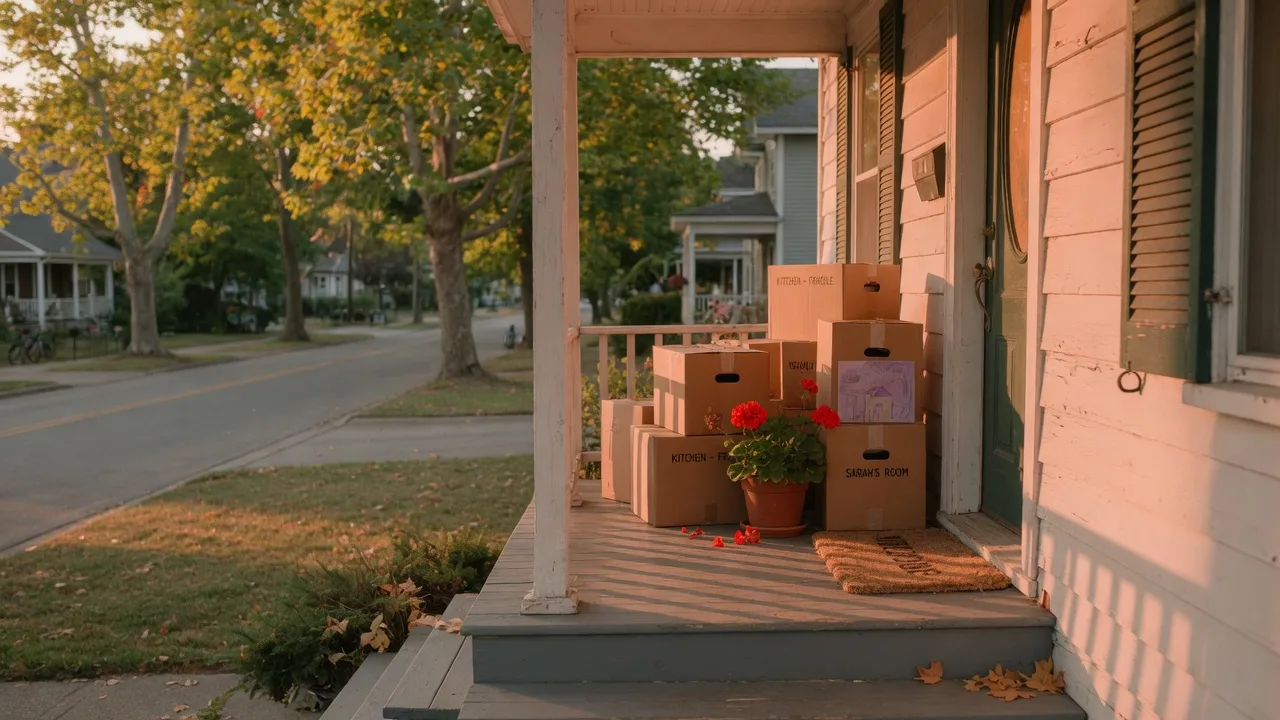
- The 55+ move itself: packing, movers, temporary housing (often 2-6 weeks), new furniture, and the first year of unplanned repairs.
How to Use It
- Build the plan before you choose a community, not after.
- Revisit quarterly; first-year reality always differs from estimates.
- Keep healthcare and one-time buffers separate from daily spending.
Active Adult Budget Checklist
Alongside your fixed housing costs, add these community-specific line items to the first-year plan (regional Northern California market data from The Gary Lee Team, as of October 2026):
- Golf cart fees: purchase or lease, storage, charging, and community registration.
- Social club dues and activity fees for the clubs you will actually join.
- HOA reserves and any planned special assessments the reserve study flags.
- Initial HOA reserve transfer fee: some associations collect a one-time capital contribution at close of escrow, separate from monthly dues and from any CFD assessment.
- Mello-Roos / CFD Special Assessments, also called Community Facilities District (CFD) assessments, which can add a separate annual tax line.
Move-in setup costs sit alongside baseline living expenses in the first-year model. Budget these separately so they do not quietly absorb the living budget:
- Window treatments: new coverings for the different window sizes and orientations in a single-story floor plan.
- Golf cart registration: the community registration and permit fees on top of the cart itself.
- Landscape adjustments: reworking planters, drip lines and hardscape to fit the new lot.
- Initial club initiation fees: one-time join fees for golf, fitness or social clubs that some communities charge on top of monthly dues.
First-Year Spending Plan Template
The Gary Lee Team keeps the full planning reference in the 55+ resource vault, and the downsizing roadmap sequences the move around this budget. The property tax side of the move belongs in the plan too; see Prop 19 in practice and the base year value transfer.
| Category | What to include |
|---|---|
| Fixed housing | mortgage or rent, HOA dues, property taxes, homeowners insurance, utilities |
| Healthcare | Medicare premiums, supplemental or Advantage, prescriptions, dental and vision (about $12,850 first year for an average couple) |
| Daily living | food, transportation, clothing, household, phone and internet |
| Discretionary | travel, golf, dining, classes, gifts, charity |
| One-time buffers | packing, movers, temporary housing (often 2-6 weeks), new furniture, first-year repairs |
Template and figures exactly as published in this article; healthcare benchmark from Fidelity (2025 methodology).
First-Year Spending FAQs
What is a first-year retirement spending plan?
It is a one-year cash budget built around your actual housing, healthcare, transportation, food and discretionary spending, listing fixed costs, healthcare, daily living, and a personal discretionary line, then tested against real spending each quarter.
How much should healthcare be in the first year?
Fidelity's published estimate puts an average couple's first year near $12,850, and it should be kept separate from daily spending.
What community-specific costs should a 55+ buyer add?
Golf cart fees (purchase or lease, storage, charging, registration), social club dues and activity fees, HOA reserves and any planned special assessments, and Mello-Roos / CFD special assessments that can add a separate annual tax line.
How often should I revisit the plan?
Quarterly. First-year reality always differs from estimates, and the plan should be built before you choose a community, not after.
Healthcare is the biggest variable line in this plan; see our related guide on healthcare costs in retirement in California.
The Gary Lee Team keeps the full planning reference, including this budgeting frame, in the 55+ resource vault and the downsizing roadmap.
Sources
Fidelity Investments, retiree healthcare methodology (2025 estimate, first-year figure about $12,850 for an average 65-year-old couple).
Important Tax & Legal Disclosure:
Gary Lee (CA DRE #01448722) and Rutsell Lee (CA DRE #02067791) are licensed California real estate professionals, not Certified Public Accountants (CPAs), tax attorneys, or financial advisors. Proposition 19 rules, base-year transfers, and capital gains exemptions involve complex state and federal tax statutes that vary based on individual financial circumstances. The information and hypothetical examples provided on this site are for general educational purposes only. Homeowners must consult with a qualified CPA, tax professional, or the county assessor's office to verify eligibility and tax liability before making any real estate decisions.
About the Author
Written by Gary Lee, CA DRE #01448722 and Rutsell Lee, CA DRE #02067791 of The Gary Lee Team, eXp Realty of Northern California, Inc., specializing in 55+ active-adult communities across Northern California.
Meet your specialists
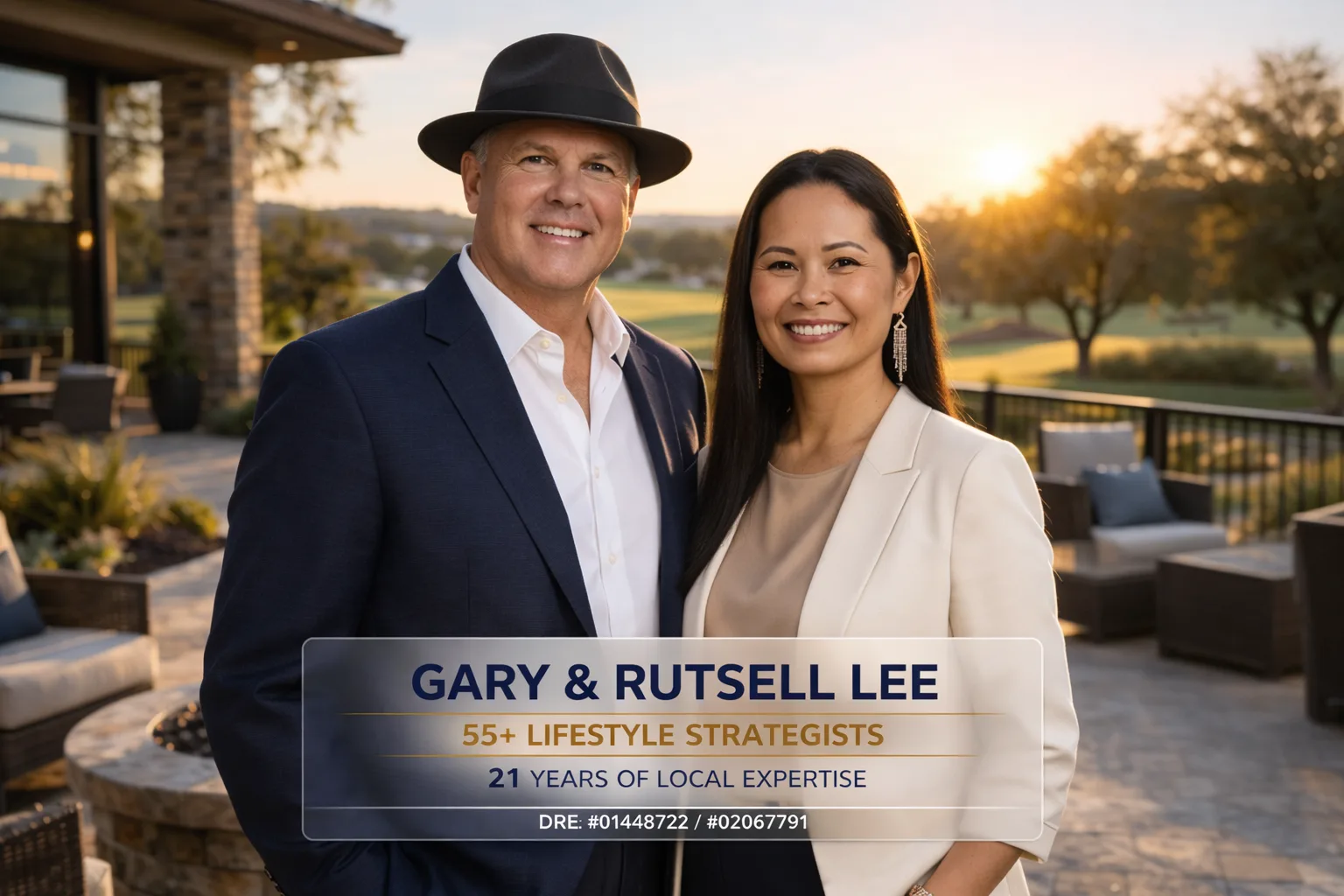
Meet Gary & Rutsell, your Northern California 55+ REALTORS
Gary Lee has been a full-time California REALTOR® since 2004. Rutsell Lee is also a California REALTOR® and co-founder of The Gary Lee Team. Together they research Northern California 55+ communities, tour homes and amenities, and help buyers and sellers compare their options throughout Greater Sacramento and Northern California.
The Gary Lee Team · eXp Realty of Northern California, Inc.
Have questions about transitioning to a NorCal 55+ community? Talk directly with Gary & Rutsell Lee at (916) 595-4279.