
It follows the parcel
The assessment is attached to the land, not the owner. Sellers do not "take it with them," and buyers cannot decline it. It shows up on the tax bill of whoever owns the home, in every year the district is still repaying debt.
Search the NorCal55Plus Library
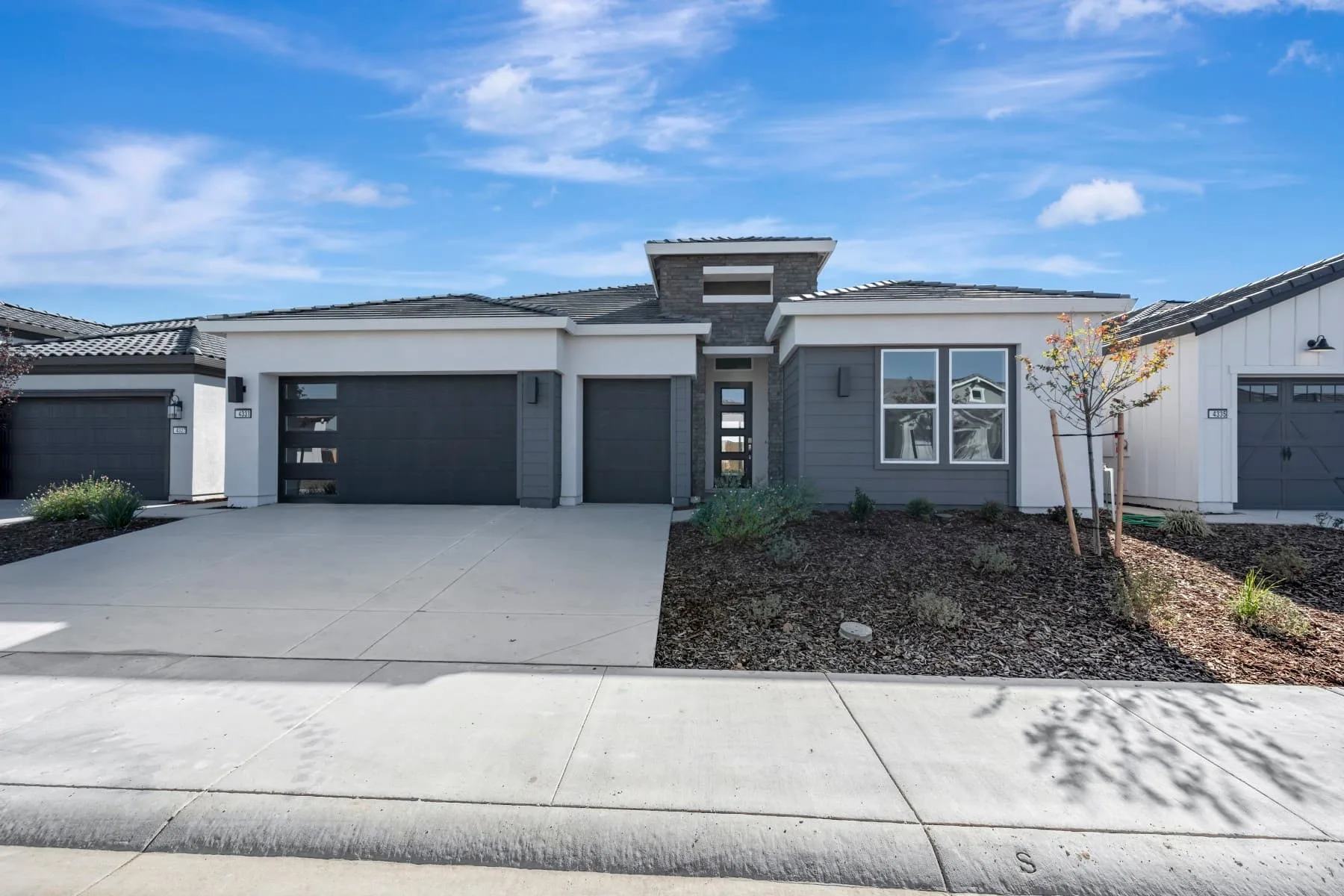
Property Taxes, Decoded
Mello-Roos is the word buyers hear most and understand least. This is the plain-English version: what the district is, why the bond exists, what changes when it retires, and exactly where to look so a surprise tax line never lands on your first escrow statement.
Gary & Rutsell Lee | October 22, 2026 | 12 min read | CA DRE #01448722 & #02067791
Last verified:
A Mello-Roos Community Facilities District is a California taxing district that lets a new development borrow money for streets, utilities, and public improvements, then repays that debt with an annual special tax on every parcel inside the district. The tax is fixed to the property, transfers at resale, and runs until the district's bonds are paid off, which is why the same house can carry a very different annual bill depending on whether its district is new, mature, or fully retired.
The bottom line
Bonds finish, taxes follow. The moment you see "Mello-Roos" or "CFD" on a listing sheet, your job is not to guess whether it is a burden, but to ask: how much, for how long, and does this district still carry bonded debt today? All three answers are public record.
California passed the Mello-Roos Community Facilities Act in 1982, during a period when new cities and counties were struggling to pay upfront for growth. The law lets a local agency create a Community Facilities District, or CFD, around a new development. The district sells bonds on the open market, and the proceeds build the things a new neighborhood needs before anyone lives there: roads, sewers, water lines, drainage, parks, and sometimes schools and fire stations.
The promise to repay those bonds becomes an annual special tax on every parcel in the district. That tax sits on the property tax bill as its own line, separate from the base property tax that Prop 13 governs. It is not the same thing as an HOA assessment, and it is not optional: it is secured by the property itself.

The assessment is attached to the land, not the owner. Sellers do not "take it with them," and buyers cannot decline it. It shows up on the tax bill of whoever owns the home, in every year the district is still repaying debt.
The tax lasts as long as the district's bonded debt, often measured in decades from formation. When the bonds are retired, the special tax that serviced them generally ends, so the line can shrink or disappear entirely on later bills.
Unlike the property tax rate, the special tax is usually a set annual amount per parcel, laid out when the district forms. Two similar homes in the same district usually carry similar lines, but the exact figure is per-lot, so read your parcel's own record.
The single most useful question is not "does this community have Mello-Roos?" but "does this parcel still carry the district's bond payments today?" The difference between active and retired can show up as a several-thousand-dollar swing on the annual tax bill, every year.
| What changes | Active bond district | Retired district |
|---|---|---|
| Annual special tax line | Present, fixed per parcel, paid each year while the bonds run | Generally gone once the bonded debt is repaid |
| Monthly impact | Adds a set monthly slice to your housing cost on top of HOA dues and base tax | Removes that slice, sometimes leaving a smaller landscape or lighting line |
| Typical setting | Newer construction and recently annexed phases where roads and utilities were just built | Older, built-out communities whose infrastructure was financed long ago |
| Resale behavior | Transfers to the next owner for the remaining term | Nothing to transfer; the parcel simply does not carry it |
This is a general picture of how districts behave. Specific communities, phases, and parcels vary, and bond status can differ from one phase to the next inside the same master plan. The way to know for sure is to check the parcel, not the brochure.
New 55+ communities face an old problem: the clubhouse, the streets, the water lines, and the entry monuments all cost money before the first home closes. Mello-Roos exists to bridge exactly that gap, so it is no surprise that brand-new active-adult developments are where the term shows up on listing sheets.
Older active-adult communities that built out decades ago often finished paying their infrastructure debt, which is one reason their monthly tax load can look so much lighter on paper. But the honest comparison never stops at the tax line: mature communities carry their own HOA dues, older-home maintenance, and sometimes optional memberships. The Gary Lee Team works both sides of that ledger, and our established-versus-new comparison shows how the full worksheet shakes out for one Placer County pair.
Everything below is public record, and none of it requires a special login. Work the list in order, and you will know more than most listing sheets will tell you:
Find the parcel (APN) from the listing, then look up the parcel in the county assessor's online property search. The record typically shows tax rate areas and any district memberships the assessor tracks. Placer, Sacramento, and El Dorado counties each run their own search tools, so use the county where the home sits.
The county auditor-controller and the tax collector are the offices that levy and collect special taxes. A quick call or email with the APN usually confirms whether the parcel is inside a CFD and what the current annual special tax amount is.
The current owner's bill lists every line: base tax, voter-approved debt, and any CFD or special assessment. If the seller will share a recent bill, it is the fastest proof of what is being paid today.
The preliminary title report lists recorded liens and assessments, and the seller's transfer disclosure statement must flag known special assessments. Both arrive early in escrow, so there is still time to adjust your monthly math before you commit fully.
Research, then compare
The community directory on NorCal55Plus.com organizes the 55+ communities of Placer and Sacramento counties in one place, so you can compare age-restricted living, HOA structures, and price ranges alongside the tax questions from this guide, before you ever schedule a tour. It is the same directory Gary and Rutsell hand to buyers who want the full picture, listing no community as a villain and every community on its facts.
A Mello-Roos Community Facilities District (CFD) is a special taxing district created under California's 1982 Mello-Roos Act so a new development can borrow for streets, utilities, parks, and other public improvements before homes exist. The district issues bonds, and parcels inside it carry an annual special tax that repays the debt.
When the district's bonded debt is repaid, the special tax that serviced it generally ends, so the annual line disappears or shrinks to a smaller assessment on later bills. That is one reason older communities with paid-off infrastructure can carry lighter tax loads than new ones, though HOA dues and maintenance still belong on the same comparison.
No. The special tax is attached to the parcel, not the owner, and it transfers with the home until the district's debt is retired. Future buyers of that property need to know the status, which is why the question belongs in every buyer's pre-offer checklist.
Use the county assessor's parcel search, the county auditor-controller or tax collector's office, a recent property tax bill, the preliminary title report, and the seller's disclosures. Each county publishes records differently, so confirm in the county where the property sits.
The Mello-Roos Community Facilities Act of 1982 (California Government Code, starting at Section 53311) and general information published by California county auditor-controller and tax collector offices on special districts, special taxes, and bond repayment. This guide deliberately does not assert the bond status of any named community; bond status is parcel-specific and must be verified through the county records described above.
Important Disclosure:
Gary Lee (CA DRE #01448722) and Rutsell Fabillar Lee (CA DRE #02067791) are licensed
California real estate professionals, not tax advisors. Special tax and assessment
details are parcel-specific, can change with new bond issuances or retirements, and vary
by county. Verification should always be done through the county records described here
and confirmed by a qualified professional before any purchase decision.
Written by Gary Lee, CA DRE #01448722 and Rutsell Fabillar Lee, CA DRE #02067791 of The Gary Lee Team, eXp Realty of Northern California, Inc., who represent buyers and sellers in 55+ active-adult communities across Greater Sacramento and Northern California.

Meet your specialists
Gary Lee has been a full-time California REALTOR® since 2004. Rutsell Lee is also a California REALTOR® and co-founder of The Gary Lee Team. Together they research Northern California 55+ communities, tour homes and amenities, and help buyers and sellers compare their options throughout Greater Sacramento and Northern California.
The Gary Lee Team · eXp Realty of Northern California, Inc.
Need help reading a county record or comparing communities? Talk with Gary & Rutsell at (916) 595-4279, or use the county comparison hub.
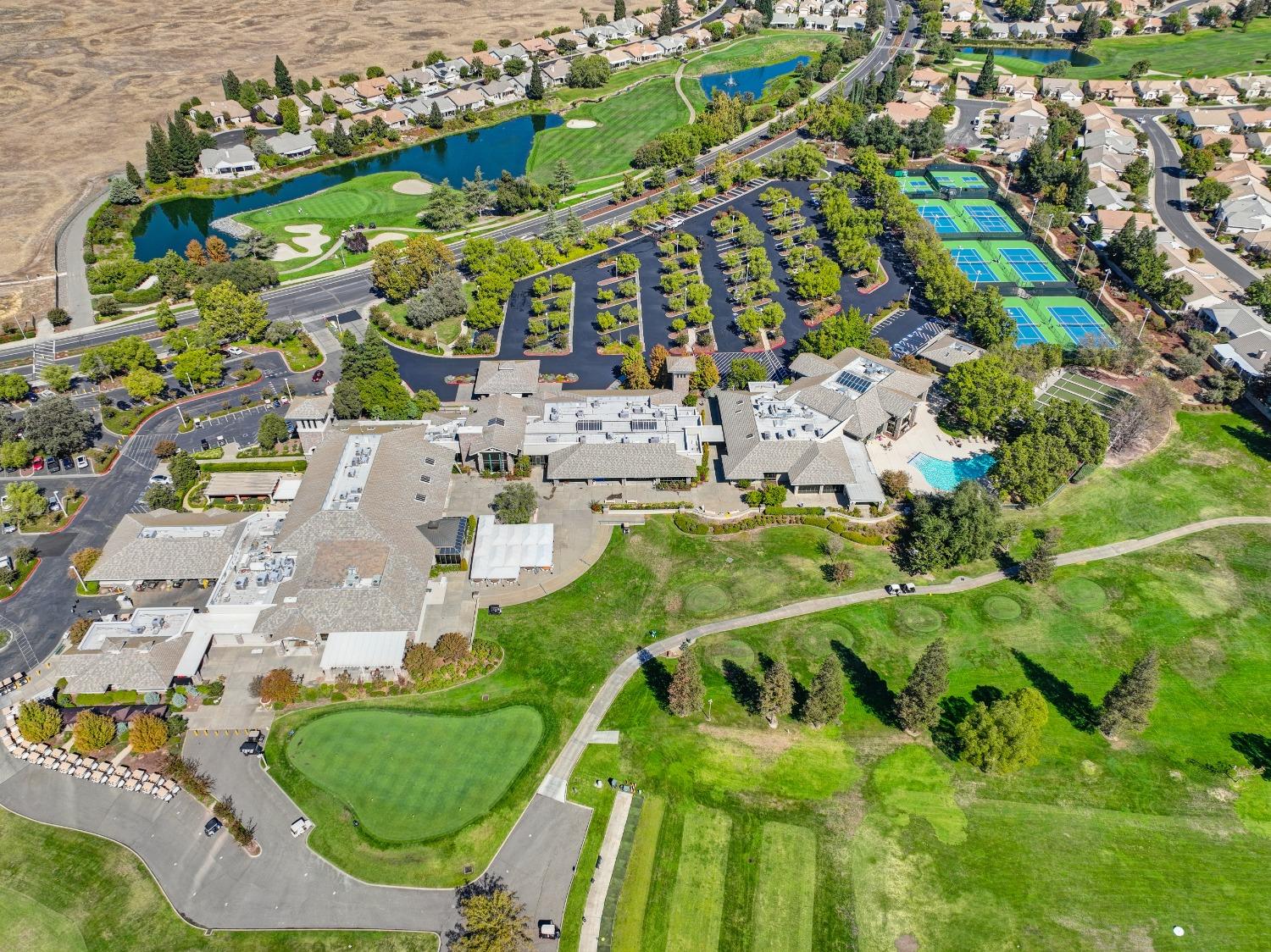 Is Roseville a Good Place to Retire? The Honest 55+ Answer, Community by CommunityBuyer Education · 13 min read
 Section 121 & Prop 19 Together: What a 55+ Move Can Mean for Your Tax BillBuyer Education · 13 min read
 Pets, Paws & CC&Rs: What Pet Owners Should Know Before BuyingBuyer Education · 9 min read
More guides that pick up where this one leaves off, matched to the subject you are exploring.

Buyer Education12 min read
What the Family Opportunity Mortgage concept is, the broader conventional, FHA, Fannie Mae and Freddie Mac options, co-borrower and gift-fund arrangements, and what lenders want, for adult children helping a parent 55+ buy a home in the Greater Sacramento area. Program terms vary by lender; confirm with a qualified lender before relying on them. Reviewed October 2026. By Gary and Rutsell Lee.
Read Article
Community Spotlights11 min read
An inside look at Trilogy at Bickford Ranch in Lincoln, California: the newest luxury 55+ community in Placer County, its resort amenities, new-home reality, and what buyers should know. By Gary and Rutsell Lee.
Read Article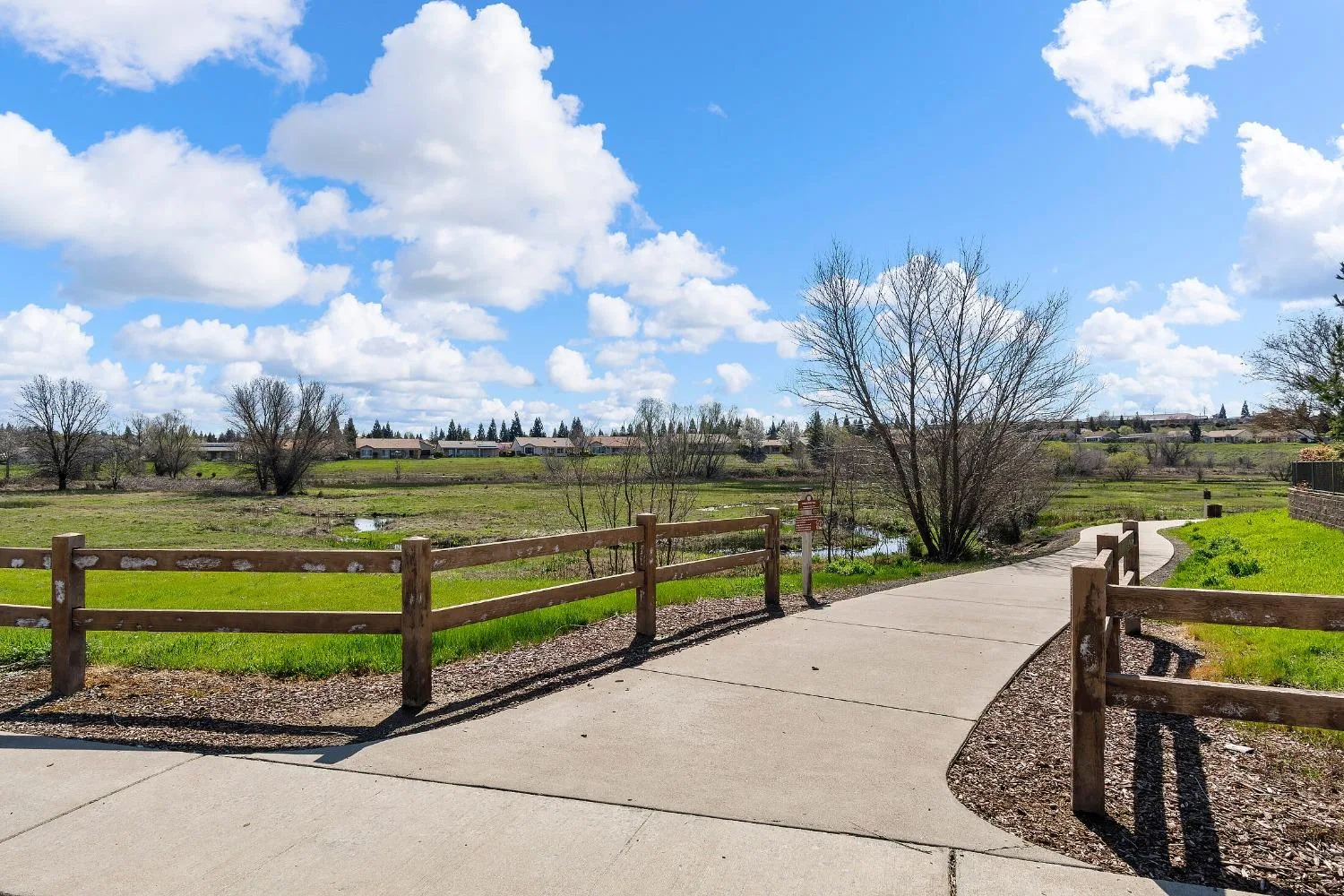
Lifestyle9 min read
What 55+ resort-style community life actually feels like on an ordinary Tuesday: the real rhythm, the slow days, the social reality, and why the ordinary day matters more than the amenity list. By Gary and Rutsell Lee.
Read Article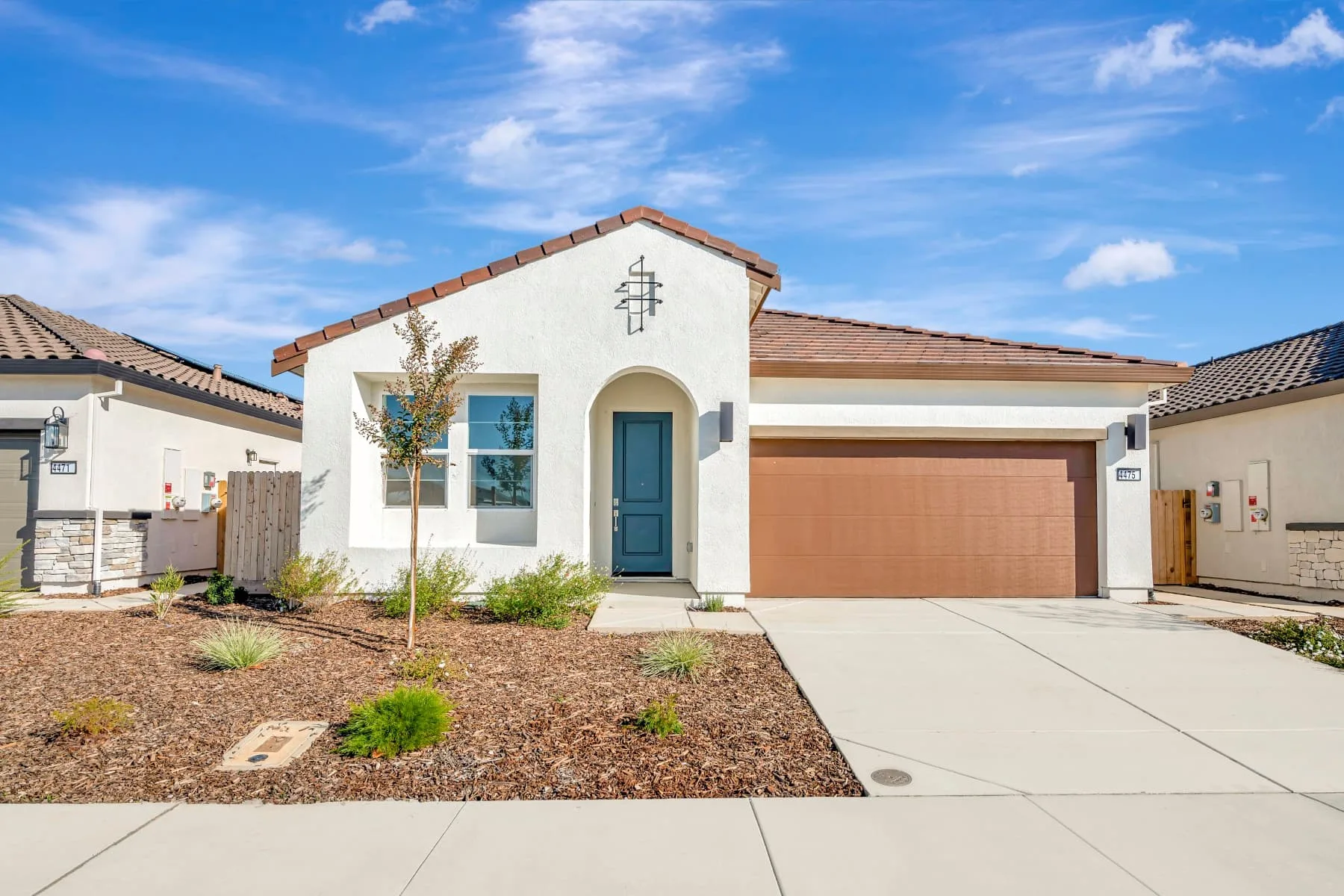
Community Spotlights
Esplanade at Madeira Ranch vs. Esplanade at Turkey Creek
18 min read

Video Companions
55+ Community Myths Debunked: What a Recent Sacramento Video Got Wrong About Resort-Style Living
15 min read

Lifestyle
Should You Age in Place or Move to a 55+ Community? An Honest Comparison
13 min read
Explore video tours, neighborhood reviews, and verified MLS listings across Placer, Sacramento, and El Dorado counties.
Browse All 55+ Active Adult ListingsThe Gary Lee Team is here to help. Text us, request a callback, or ask for more info.
We'll reply by text or phone. No spam, unsubscribe anytime.
Thanks! The Gary Lee Team will reach out right away.